
Working in Japan as an English Teacher: Issa’s Career Story in Tokyo
Meet Issa Kachenje, originally from Tanzania, who first came to Japan as an international student and has since completed both a Master’s and PhD here. Today, Issa works in Japan as a research fellow and academic editor, while also teaching English part-time. This work interview is for anyone searching work in Japan or jobs in

Meet Issa Kachenje, originally from Tanzania, who first came to Japan as an international student and has since completed both a Master’s and PhD here. Today, Issa works in Japan as a research fellow and academic editor, while also teaching English part-time.
This work interview is for anyone searching work in Japan or jobs in Japan and wondering what it really takes to build a career here—especially outside the typical routes like English teaching jobs in Japan. Issa shares how academic jobs in Japan can happen through university networks, what daily work actually looks like, and what matters most for foreigners who want to find stable job opportunities in Japan.
Work in Japan Interview Summary
Issa’s path is different from the “apply online and hope” style many foreigners use. Most opportunities came through university connections: research fellowship roles, editorial work, and a professional network built over years of study. At the same time, Issa’s story still answers common questions like how to find a job in Japan, can I get a job without knowing Japanese, and what kind of preparation actually matters.
1. Can you introduce yourself?
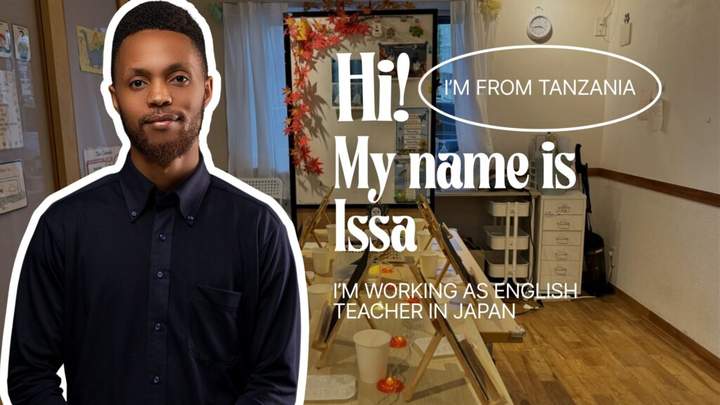
My name is Issa Kachenje, and I am originally from Tanzania. I first came to Japan as an international student. Since then, I have been living in Japan for several years, pursuing my academic and research work. During this time, I have completed my Master’s degree and PhD degree.
My experience in Japan has been both academically and personally transformative. It helped me grow in knowledge, skills, and perspective.
2. Could you tell me about your current role in Japan? What do you do, and what does a typical day look like?
Currently, I am a research fellow at Tokyo University of Agriculture (Tokyo Nodai), where I continue my academic work focusing on agriculture, rural development, and sustainability.
In addition to that, I also work as an editor for the International Journal of Environmental and Rural Development (IJERD), which is affiliated with the same university. That role allows me to review academic papers, evaluate research quality, and help publish work that contributes to knowledge in my field.
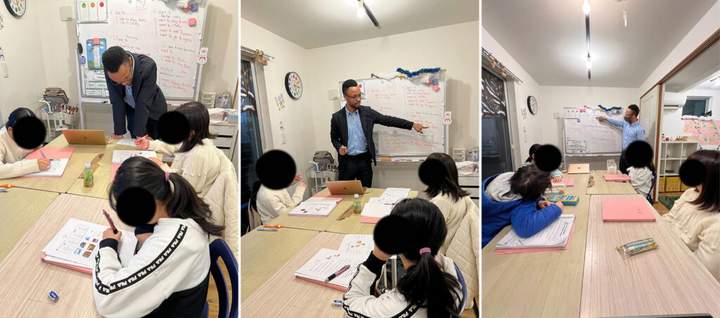
Alongside my academic work, I also enjoy teaching English as a part-time job. It gives me the opportunity to interact with students from different backgrounds, and I find it very rewarding.
A typical day for me is quite dynamic. I usually spend my mornings focusing on research activities such as reading, writing, or analyzing data. During the day, I may attend meetings or seminars, and I also dedicate time to editorial work when needed. In the afternoons or evenings, I often teach English classes.
3. Why did you want to work in Japan specifically, instead of your home country (or another country)?
One of the main reasons I chose to work in Japan was that I needed a short break to reset mentally after my PhD studies. Japan provided a stable, structured, and peaceful environment where I could reflect, focus, and continue developing myself.
At the same time, my decision was not about leaving Tanzania permanently. From the beginning, I always planned to return home. My goal has always been to give back, contribute to development, and be useful to my community. That has been my main motivation.
Working in Japan was a way to gain valuable professional experience in a different context—learning new systems, work ethics, and approaches that I can eventually apply in my own country.
So I see my time in Japan not as a final destination, but as an important step in a longer journey, where the ultimate goal is to return and contribute meaningfully to my country.
4. How did you go about finding work in Japan?
I consider myself very fortunate, because many opportunities came at the right time and through smooth processes.
For my academic roles, both the research fellowship and the editorial position were introduced to me by the university administration. I was first offered the chance to work as an editor for the journal, and I accepted it. That contributed to my qualification and eligibility for the research fellow position.
The process was not complicated. Everything progressed quite naturally.
For my part-time English teaching job, I found information about the opportunity on LinkedIn and followed up. That process was also smooth, and I was able to start teaching without major difficulties.
I understand this may not be everyone’s experience, because job hunting in Japan can be challenging. But in my case, my academic performance and involvement created opportunities, and I was prepared to take advantage of them when they appeared.
5. What was the application and interview process like for you? Any memorable differences compared to what you expected?
For me, the application and interview process was relatively smooth and not as complicated as one might expect.
For my academic roles, like the editorial position and research fellowship, the opportunities were introduced by the university administration. Because of my academic performance and involvement, I was recommended, so the process was more like confirmation and discussion, rather than a highly competitive hiring process.
I had meetings with professors where we discussed expectations, responsibilities, and how I could contribute. It was supportive and straightforward.
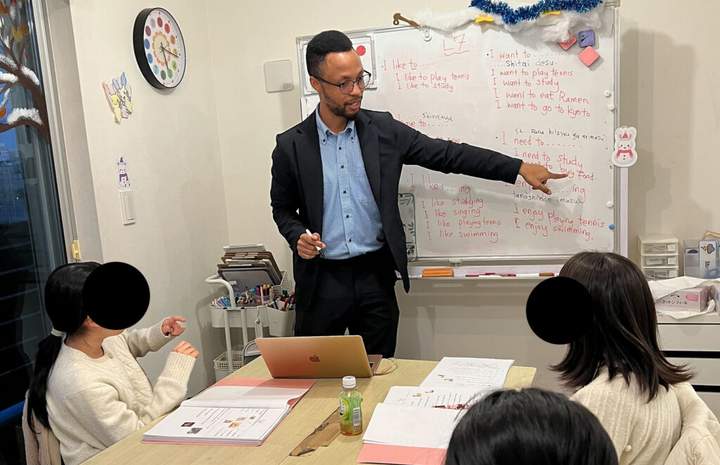
For my part-time English teaching job, the process was more conventional. After finding it on LinkedIn, I applied and had an interview. They asked about my background, my teaching style, and how I interact with students. It felt more like a practical conversation than a formal interview.
6. What were the biggest difficulties you encountered in the job search or starting work? How did you overcome them?
One of the biggest difficulties was understanding how the professional system works in Japan. Expectations, communication style, and workplace culture can be very different.
Communication is often more indirect, and there is a strong emphasis on hierarchy, politeness, and attention to detail. At the beginning, it was sometimes difficult to understand what was expected or how to express myself appropriately.
Another challenge was the language barrier. Even in academic environments where English is used, many administrative procedures and daily interactions are still in Japanese.
To overcome these difficulties, I focused on observation and continuous learning. I watched how colleagues communicate, how meetings are conducted, and how tasks are managed.
I also improved my Japanese little by little for daily situations, asked for clarification when needed, and tried to build strong relationships with colleagues and supervisors. Their support made a big difference.
7. What have been the best things about working in Japan so far?
One of the best things has been experiencing a very professional and well-structured working environment. There is a strong sense of responsibility and commitment to quality, and that improved my own standards and work ethic.
I also appreciate the culture of respect and humility in the workplace. People are often considerate, cooperative, and supportive, and that creates a positive environment.
Professionally, I have been able to deepen my research skills and contribute to meaningful academic work through my roles as a research fellow and editor. At the same time, teaching English helps me connect with students and develop communication skills.
Finally, working in Japan has allowed me to build relationships with people from different backgrounds and cultures, which broadened my perspective and impacted both my personal and professional growth.
8. How has working in Japan changed you personally or professionally?
Working in Japan has had a significant impact on me. I became more disciplined and detail-oriented. The environment emphasizes accuracy, consistency, and responsibility, and that improved the way I approach research, writing, and overall work.
I also developed stronger communication skills in cross-cultural settings, where being clear, patient, and observant is important.
This experience increased my confidence. Living and working in a different country challenged me through language and cultural differences, and overcoming those challenges made me more independent.
In terms of mindset, I was influenced by the culture of humility, respect, and continuous improvement. Japan reinforced the idea that growth is gradual, and that consistency and attitude matter.
And in career direction, it strengthened my commitment to return home and contribute meaningfully, using the skills and experience I gained here.
9. If someone wants to work in Japan, what should they prepare in advance?
First, try to understand Japanese work culture. Employers value punctuality, reliability, and attention to detail. Even small things like responding to emails on time or preparing carefully can make a strong impression.
Second, work on your Japanese, even at a basic level. It’s possible to find jobs in English, but Japanese makes life easier and opens more opportunities.
Third, prepare your documents carefully. In Japan, CVs (rirekisho) and application forms are expected to be clear, structured, and free of mistakes. Tailor your application to each position.
Be proactive. Use LinkedIn, university networks, and direct contact with institutions and companies. Opportunities often come through connections.
Be patient and persistent. Rejection is part of job searching.
And be clear about your purpose. Know why you want to work in Japan and what you can offer. If you can explain your motivation clearly, it leaves a strong impression.
10. Any final thoughts you’d like to share about the experience of working in Japan?
Success in Japan is not only about qualifications, but also about attitude, consistency, and the willingness to adapt.
Final thoughts
Issa’s story shows a different side of jobs in Japan—where academic networks, long-term effort, and university support can open doors, and where professional growth comes from both skill and mindset. Whether you’re aiming for research roles, education, or other professional fields, the biggest takeaway is clear: in Japan, consistency and adaptability matter just as much as talent.
Related JoynTokyo reads

Ultimate Guide to Driving in Japan
A driver spent a week cruising Hokkaido and called it the most relaxing road trip of his life. Another took a mountain route from Kusatsu to Kanazawa and described it as “like being dialled into an F1 race car.” Both were experienced drivers. Both were in Japan. Both are right. Honestly, driving in Japan is

Cash vs Card in Japan: What Should You Use in 2026?
People who went to Japan five years ago will tell you cash is king. People who went last month will tell you they barely touched a note. Both are telling the truth, they just had different trips. The honest answer for 2026 is this: Japan has changed significantly. Most major establishments in cities now accept
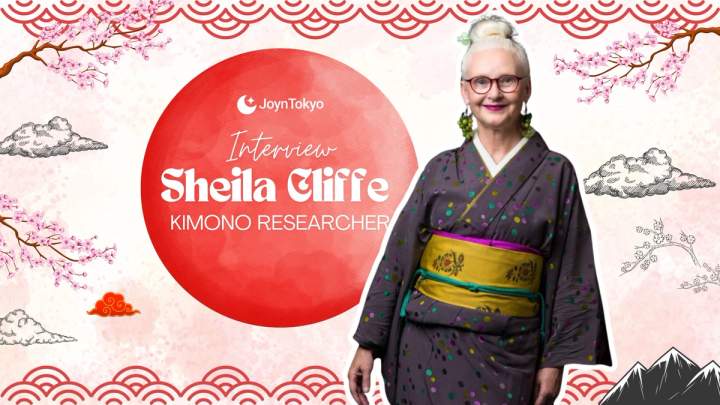
Sheila Cliffe on The Kimono Closet and the Stories Kimono Hold
Sheila Cliffe is a longtime kimono researcher and the author of Kimono Style. In her new book, The Kimono Closet, she looks beyond kimono as fashion or art objects and instead explores their deeper place in family life, memory, and identity. She spoke with JoynTokyo to give us an exclusive look at the new book,