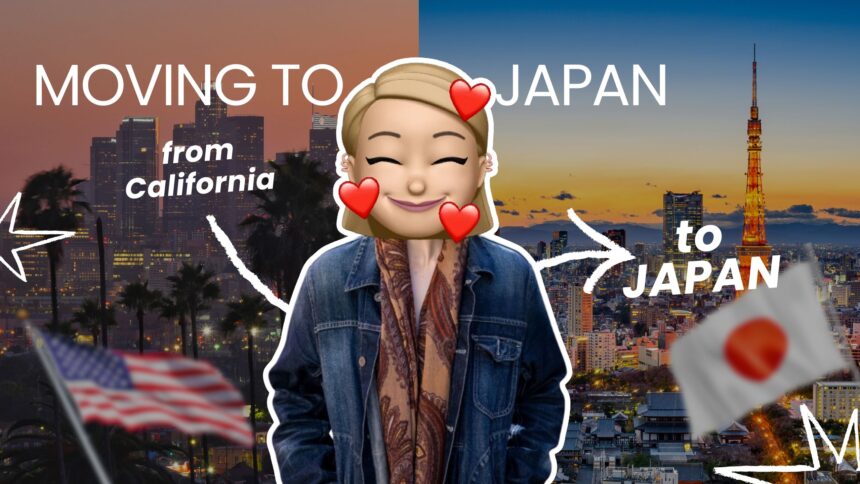

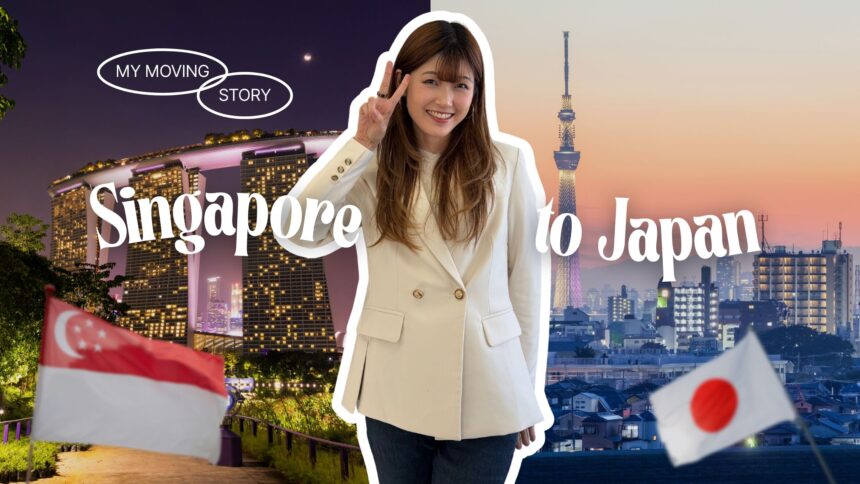

Meet Lin, born in Singapore and raised by Malaysian parents. She later switched nationality to Singaporean at 21. Lin didn’t move to Japan through a long-term plan or a company transfer. The move started after leaving a corporate job in Singapore that didn’t feel interesting anymore, taking a solo trip to Japan, and realizing Japan felt like a place worth starting over.
In this interview, Lin shares what made her come back to Japan for real, why a share house was the easiest first step, what surprised her most about Japan’s “foreigner barriers,” and what helped her get through the difficult parts of settling in.
How Lin Moved to Japan After Leaving Her Corporate Job
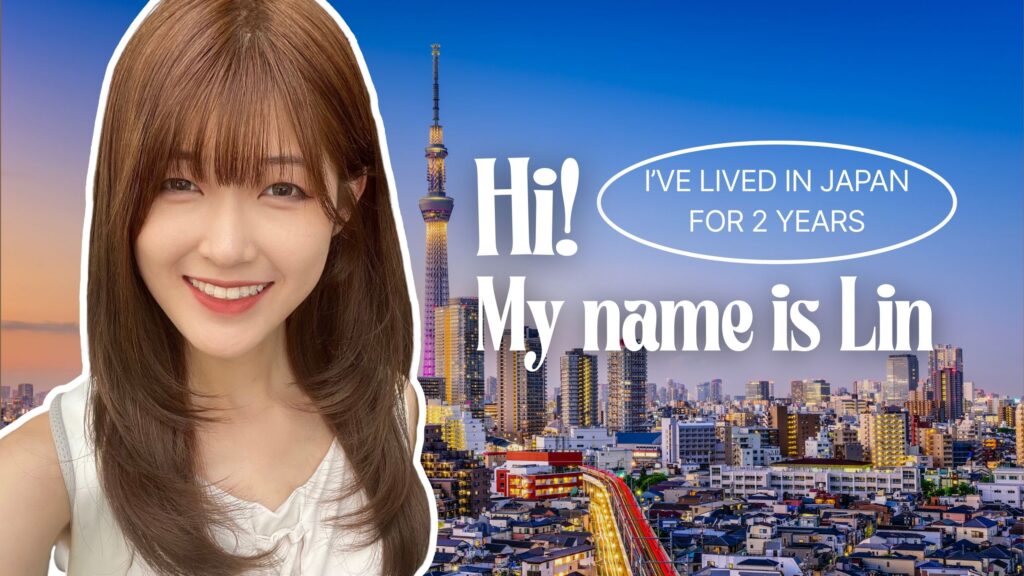
1. Can you introduce yourself and your background?
I’m Singaporean. I was born in Singapore and raised by Malaysian parents, my whole family was originally born in Malaysia, and I was the one born in Singapore. I switched nationality to Singaporean when I was 21.
2. What made you want to move to Japan?
In the beginning, I was in a big corporate firm in Singapore, and I left my job because it wasn’t really fun or interesting for me. After I quit, I came to Japan on a solo trip, just vacation by myself, and I fell in love with Japan. I even got really sick during the trip, and somehow that moment made me decide, okay, this is where I want to start living. So I went back, and decided to come to Japan again for real.
3. What was the moving process like for you?
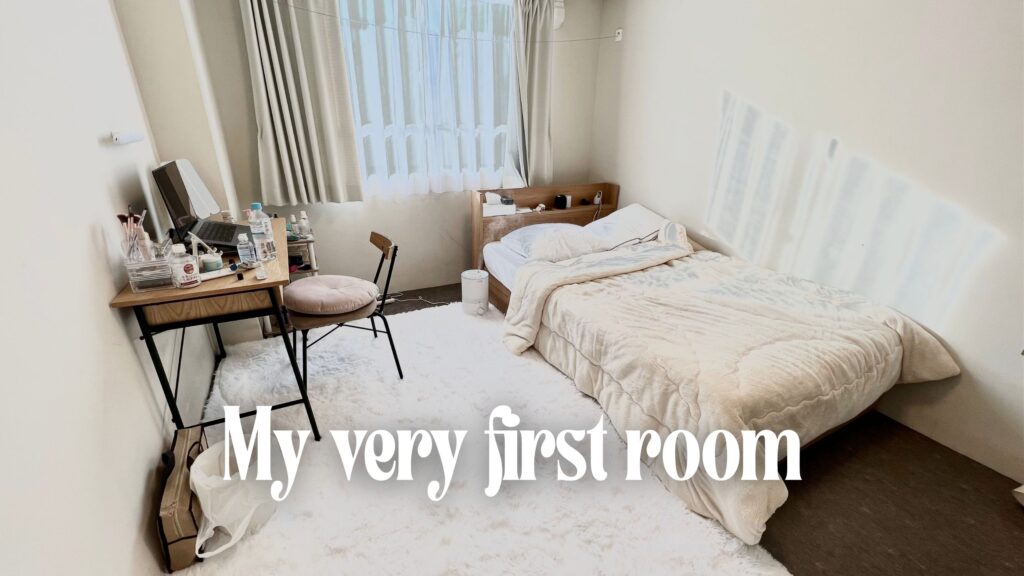
I was lucky because I have a Japanese boyfriend, so when I came, he helped me with a lot of things. In the very beginning, I stayed in a share house. Then about three months later, I moved in with my Japanese partner, and it became much easier because he already had everything set up.
Without him, I think it would have been very difficult. I tried to look for apartments and a lot of them had requirements like you have to be Japanese, or you need to sign a two-year contract. And I didn’t even know if I wanted to be here long-term, like three years. Also, if you rent an apartment, you have to buy all the furniture yourself. That’s a lot of money if you’re not sure how long you’ll stay.
That’s why the share house felt easier. Everything is already there, furniture, electricity, all the setup. And honestly, share houses are just easier for foreigners in the beginning. Jumping straight into a normal apartment can be really hard.
4. What difficulties did you face when settling into life in Tokyo?
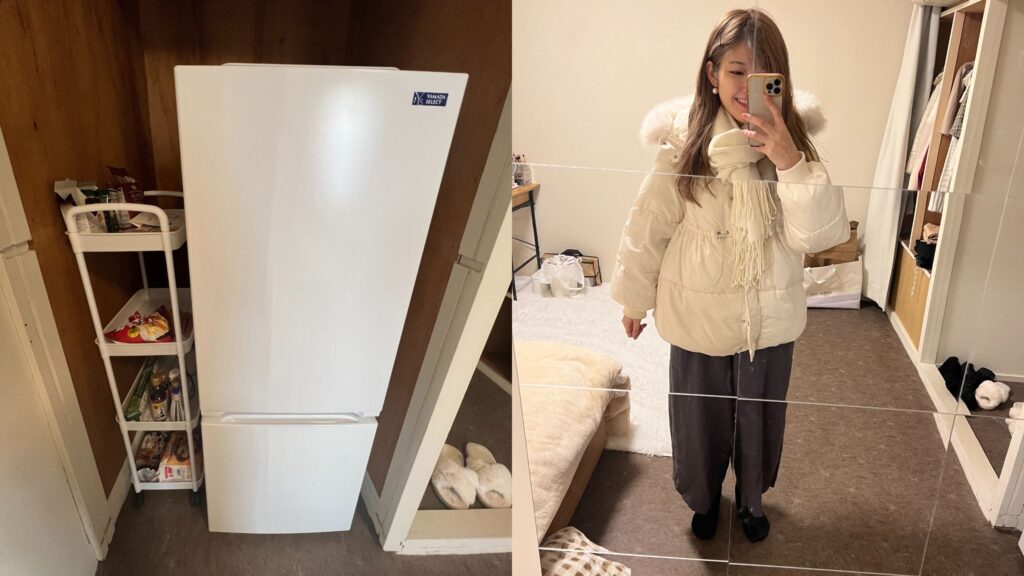
I didn’t really go through the apartment renting process myself, because from what I researched, it was very troublesome. But I definitely had difficulties with other things, like the bank setup.
In the beginning, I wanted to set up SMBC, but I saw online you need to live in Japan for over six months. So I went for Yucho first. But with Yucho, I didn’t get a credit card, it was basically just a cash card, and I couldn’t use it online. I couldn’t even use it for things like Amazon. It was just for withdrawing money, so paying for things online became really troublesome. Eventually, I had to set up PayPay, and after a while it became okay, but the beginning was annoying.
Another big difficulty was city hall. When I went for different things, it was mostly in Japanese. They used very difficult Japanese words, and even though my Japanese isn’t too bad, I still couldn’t understand. I literally had to call my Japanese boyfriend and hand over the phone. It made me think, if you don’t understand any Japanese at all, how do you live here?
5. What surprised you most about moving to Japan?
I think Japan is a lot less foreigner-friendly than Singapore, and that surprised me a lot. In Singapore, so many things are electronic. Visa-related things, paperwork, applications, a lot of it can be done online, and the process feels quite smooth. Even as a foreigner, you can usually do things in a similar way to citizens, so you don’t constantly feel like you’re separated into a different category.
But in Japan, it feels like there are more barriers and more “extra steps” for foreigners. Even small things can become complicated, and you often have to go in person for procedures that would be online in Singapore. Sometimes it doesn’t feel like it’s on purpose, but the system just isn’t designed in a foreigner-friendly way. So compared to Singapore, Japan feels much more “rules and paperwork” heavy, and you feel the difference more clearly.
6. What advice would you give to someone who wants to move to Japan?
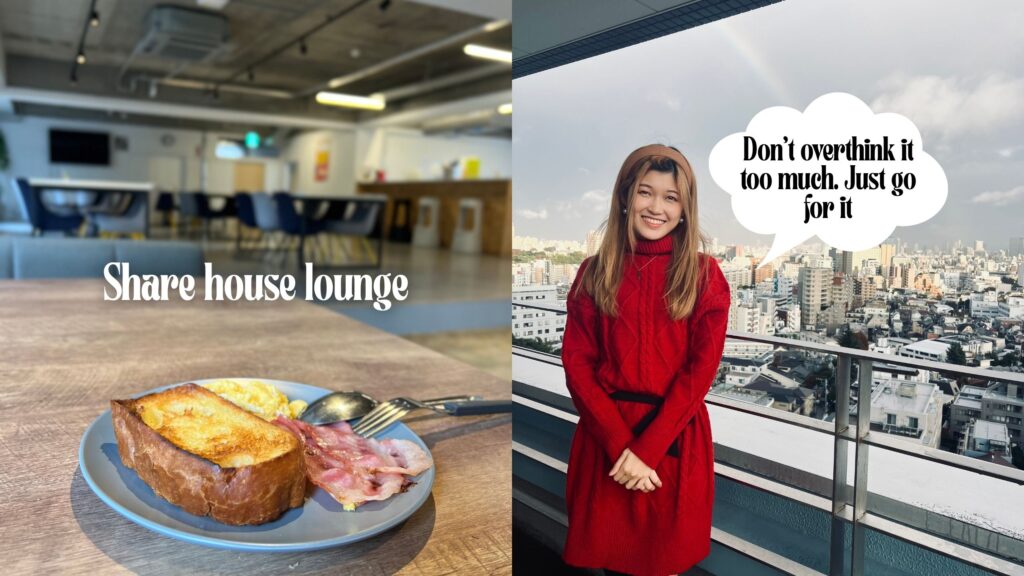
A lot of people are afraid because they read so much online. They hear things like “Japan is not foreigner-friendly” or “everything is difficult,” and they get scared before they even try. But honestly, I’m already here. I’ve been here for two years, so I know it’s not impossible.
I think the hardest part is the initial stage, when you first arrive and you’re dealing with bank setup, city hall, documents, housing, and you don’t fully understand how everything works yet. But if you can push through that beginning phase, it becomes much more manageable. You learn along the way, and you figure it out step by step.
So my advice is just do it. Don’t overthink it too much. Of course you should be prepared, but you don’t need to wait until everything feels perfect. You can learn as you go, and once you’re here, you’ll realize you’re more capable than you thought.
Start Your Own Japan Journey With Expert Guidance
Just like the person you read about above, you can successfully move to Japan. Get personalized support for work, study, or life in Japan.
Book Your FREE Consultation✓500+ Bookings ✓ English-speaking Relocation Support Experts
Final thoughts
Lin’s story is a reminder that moving to Japan doesn’t need to be “perfectly planned” to work out. The beginning can be frustrating, especially with banks, city hall Japanese, and all the small barriers foreigners feel. But with a smart first step like a share house, and the mindset of learning as you go, it becomes manageable. The main message is simple: get through the first stage, and it gets easier.
Read More