


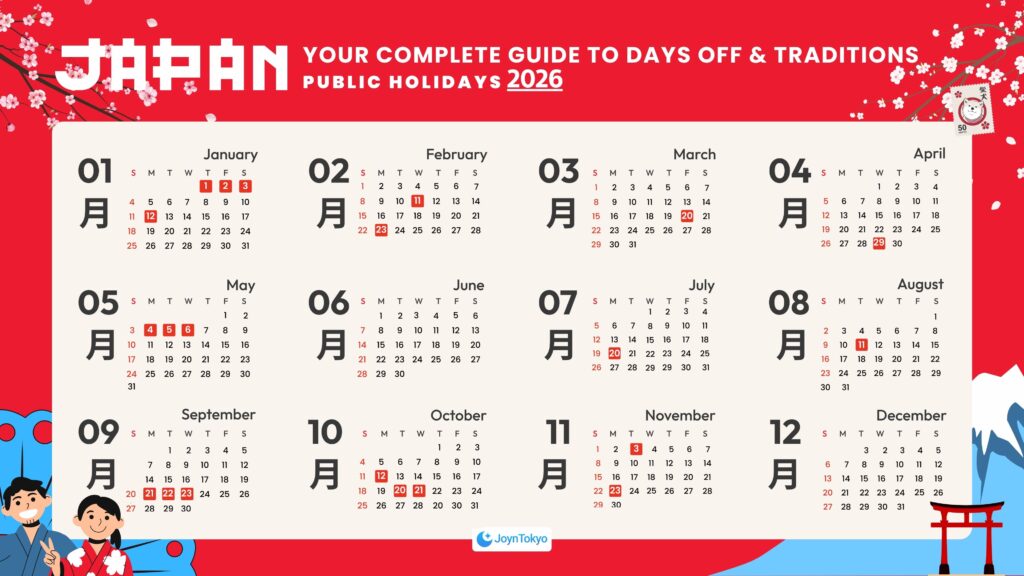
Showa Day (Shōwa no Hi) is a Japanese national holiday observed every April 29. It marks the birthday of Emperor Hirohito, who reigned during the Showa era (1926–1989) — one of the most turbulent and transformative periods in modern Japanese history, spanning World War II, post-war reconstruction, and Japan’s rise as an economic powerhouse.
The holiday’s official purpose is to encourage citizens to reflect on the trials and recovery of the Showa period and consider the future of Japan. It is not a celebration of war, but a moment of national memory and appreciation for how far Japan has come.
Quick Facts
- Date: April 29 (every year)
- Established: 2007
- Part of: Golden Week
- Commemorates: Emperor Hirohito (Showa era, 1926–1989)
History & Background
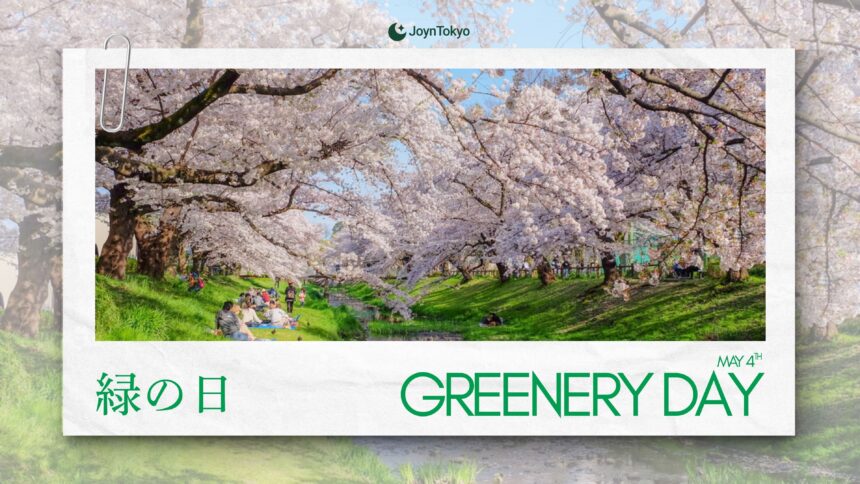
April 29 has carried national significance for decades. When Emperor Hirohito died in 1989, the day was renamed Greenery Day (Midori no Hi) in honour of his love of nature, while sidestepping the complexities of his wartime legacy. Greenery Day was then moved to May 4 when Showa Day was formally established.
Key dates:
- 1926 — Hirohito ascends to the throne, beginning the Showa (“Radiant Japan”) era
- 1989 — Hirohito dies; April 29 becomes Greenery Day
- 2005 — Parliament passes a bill to rename April 29 as Showa Day
- 2007 — Showa Day is officially observed for the first time
Start Your Own Japan Journey With Expert Guidance
Most people never make it to Japan because the start is confusing and tiring. Wrong visa route. Underestimated budget. Months lost to confusion.
Get personalized support for your new life in Japan.
Book Your FREE Consultation✓ 500+ Bookings ✓ English-speaking Relocation Support Experts
Showa Day & Golden Week
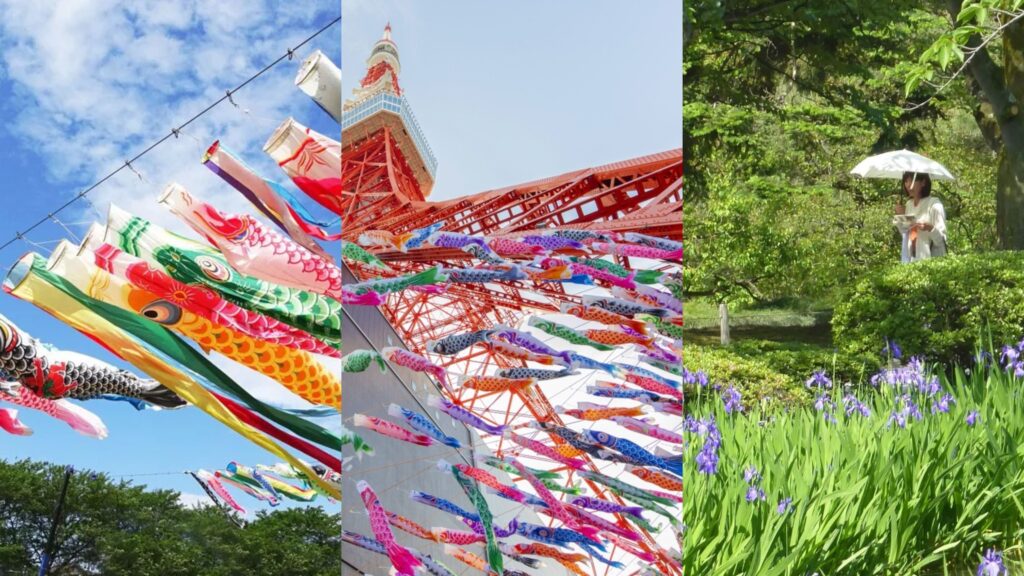
Showa Day opens Golden Week, Japan’s biggest cluster of public holidays. The full lineup: Showa Day (Apr 29), Constitution Day (May 3), Greenery Day (May 4), and Children’s Day (May 5). With weekends bridging these dates, many Japanese enjoy five to ten consecutive days off.
This makes Showa Day one of the busiest travel days of the year. Trains, highways, and airports are packed, and popular tourist spots see enormous crowds.
Read More

How Is It Celebrated?
- Showa-era exhibitions — Museums host displays on wartime life, postwar reconstruction, mid-century fashion, music, and pop culture
- Spring travel — Families take trips to hot spring resorts, national parks, and late cherry blossom spots
- Historic site visits — War memorials like Yasukuni Shrine in Tokyo or the Hiroshima Peace Memorial are common destinations for reflection
- Retro festivals — Towns with Showa-themed districts (like Yanaka in Tokyo) hold nostalgic street events
- TV retrospectives — Channels air documentaries, classic films, and period dramas from the era
- Family gatherings — Elders share memories of the Showa era with younger generations
What’s Open & Closed?
Closed: Government offices, post offices, banks, schools
Open: Convenience stores, supermarkets, restaurants, shopping malls (often with special holiday hours), most tourist attractions
Traveller Tips
- Book trains, hotels, and restaurants well in advance — Golden Week sells out months ahead
- Arrive early at major tourist sites or visit lesser-known alternatives
- Use convenience store ATMs (7-Eleven, Lawson) — they accept international cards and stay open
- Expect heavy expressway traffic; the Shinkansen is a much better option for intercity travel
- Many shops run Golden Week sales — good time for shopping in cities
The Showa era witnessed devastation, defeat, atomic destruction, and then one of history’s most remarkable national recoveries. For older Japanese, Showa Day carries genuine weight as a day of remembrance. For younger generations, it’s often the relaxed start of Golden Week — but the history it honours is never far from the surface.
Read More