
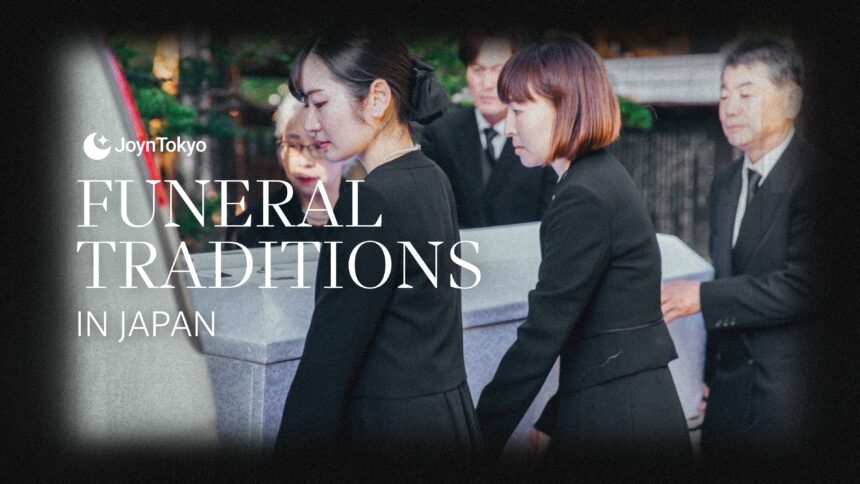


Funeral traditions in Japan can feel quiet and highly structured at the same time. People speak softly, movements are deliberate, and there is a strong sense that everyone is helping the family carry something heavy, together. If you are new to Japan, or you have only seen funerals in films, the real thing can surprise you, not because it is flashy, but because the rituals are so specific, and because cremation is essentially the norm.
The usual flow, wake, funeral, cremation, then memorial days
A “typical” Japanese funeral is often Buddhist in style, even when the family is not especially religious day to day. The exact order can vary by region, temple, and funeral home, but the broad rhythm is consistent.
Read More
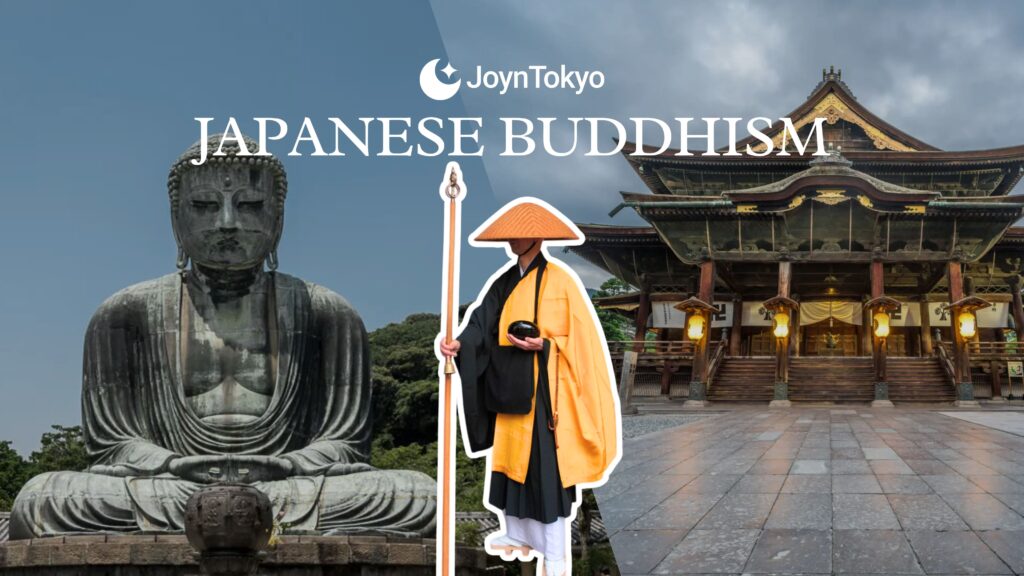
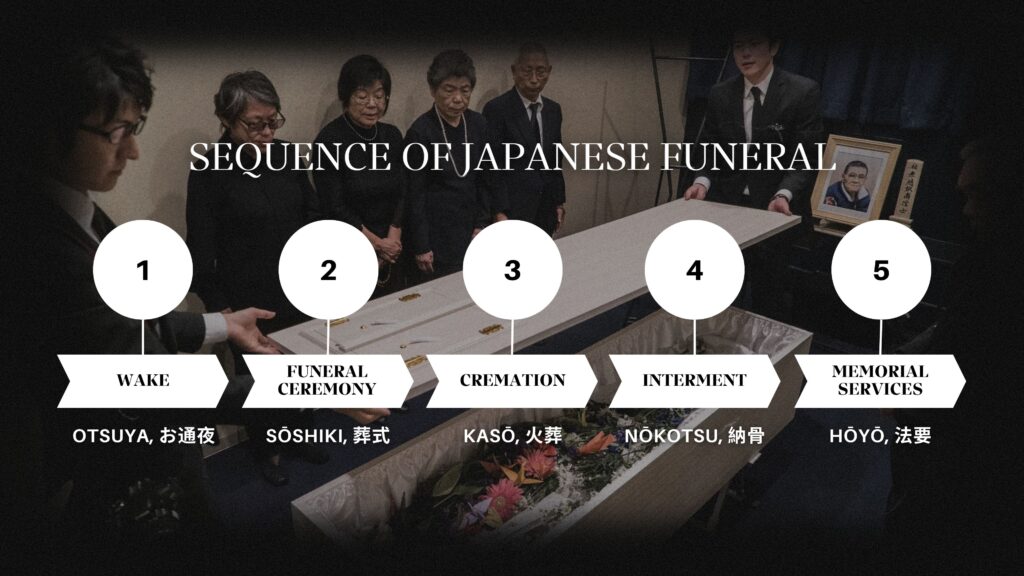
Here is the sequence you will most commonly hear:
| Stage | Common name | What it is |
|---|---|---|
| Wake | otsuya, お通夜 | Evening gathering, prayers, incense, close friends and family pay respects |
| Funeral ceremony | sōshiki, 葬式 | Formal service, sutra chanting, final goodbyes |
| Cremation | kasō, 火葬 | Cremation at a crematorium, then bone picking ritual |
| Interment | nōkotsu, 納骨 | Ashes placed in the family grave, sometimes later rather than immediately |
| Memorial services | hōyō, 法要 | Regular services, often at specific day counts like day seven and day forty nine |
And yes, that “day forty nine” thing comes up a lot, because it is a major milestone in many Buddhist households.
Otsuya – The wake
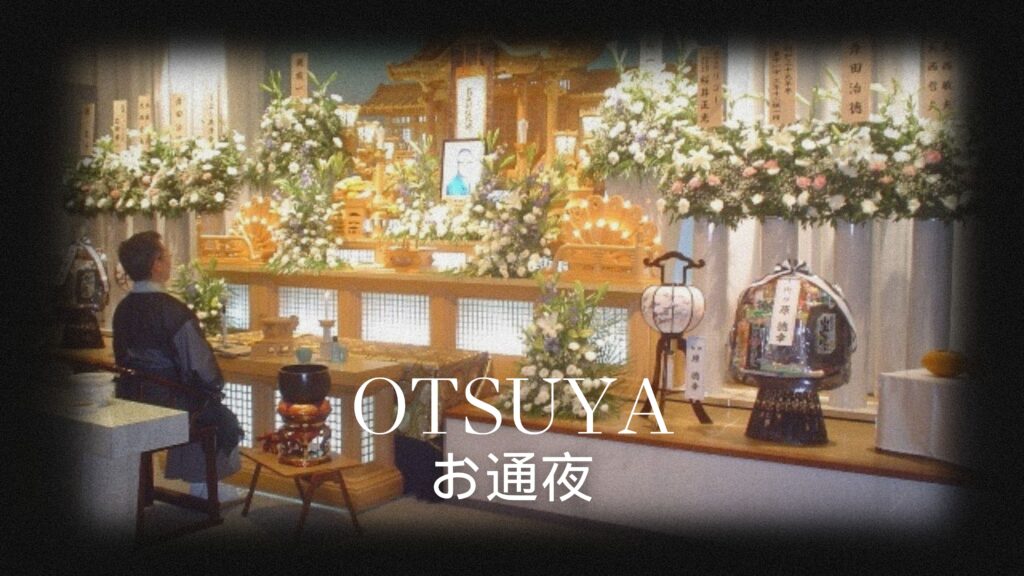
The wake is usually held the evening before the funeral. It is often where you see the most “real life” grief, because people have not switched fully into ceremony mode yet.
A Buddhist priest commonly chants sutras, and guests offer incense in turn. You might also notice a steady stream of people arriving, bowing, speaking briefly to the family, then leaving, especially if the deceased was connected to a workplace or community group.
If you are attending as a coworker or acquaintance, otsuya is often the event you are most likely to go to, sometimes instead of the funeral itself, depending on your relationship and the family’s wishes.
Start Your Own Japan Journey With Expert Guidance
Most people never make it to Japan because the start is confusing and tiring. Wrong visa route. Underestimated budget. Months lost to confusion.
Get personalized support for your new life in Japan.
Book Your FREE Consultation✓ 500+ Bookings ✓ English-speaking Relocation Support Experts
The funeral ceremony
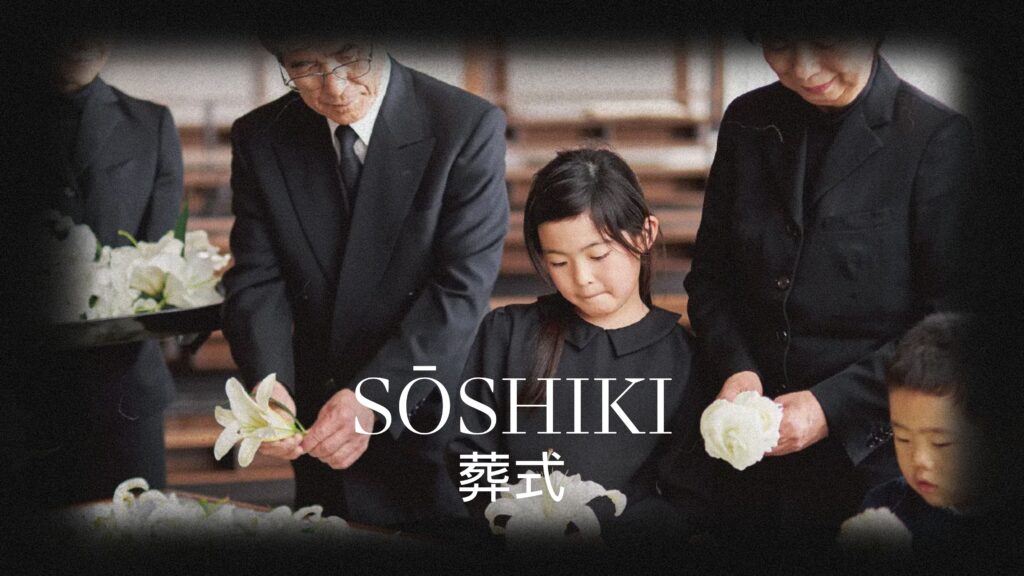
The funeral ceremony tends to be more formal than the wake. You will usually see:
- A portrait of the deceased with flowers arranged around it
- Ceremonial altar
Incense is again offered by family first, then guests. The mood is restrained, but not cold, it is respectful, almost protective, like everyone is helping keep the space steady.
One detail foreigners often ask about is the posthumous Buddhist name, called kaimyō. Not every funeral includes the same emphasis on it, but in many Buddhist services it is treated as important, tied to the person’s passage into the Buddhist world after death.
Cremation in Japan
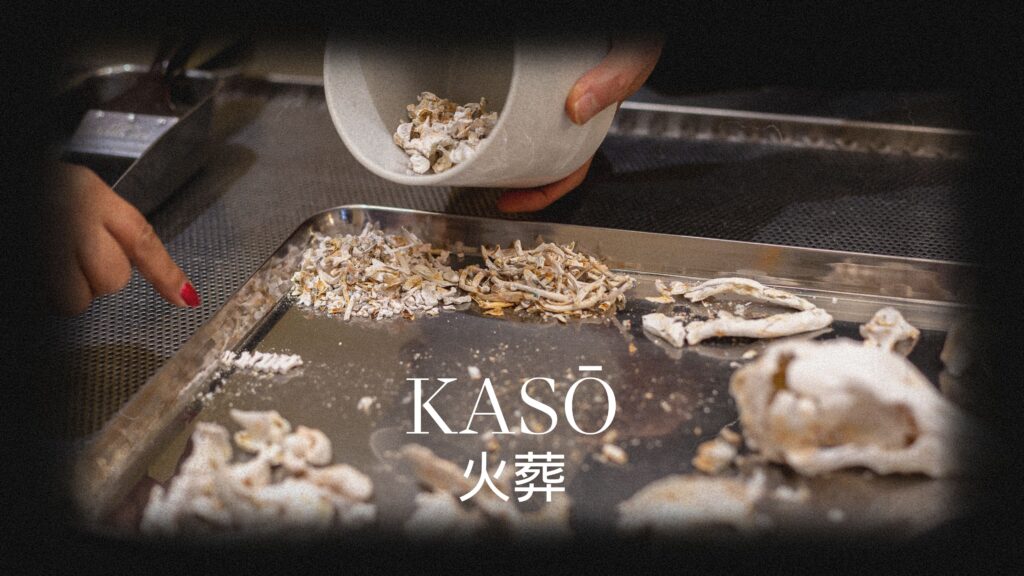
Cremation is overwhelmingly common in Japan, largely because of land constraints and long established practice.
After cremation, families typically participate in kotsuage, the bone picking ritual. This is the moment that tends to stay with people, because it is intimate, and because it is so different from what many countries do. Family members use chopsticks to place bone fragments into an urn, often working in pairs, passing pieces together.
If you are not immediate family, you may not be present for this part, it depends on the family and the funeral arrangements. If you are present, follow the room’s lead, stay quiet, and do not take photos, even if the space feels “procedural.” It is still a goodbye.
What to wear to a Japanese Funeral Ceremony
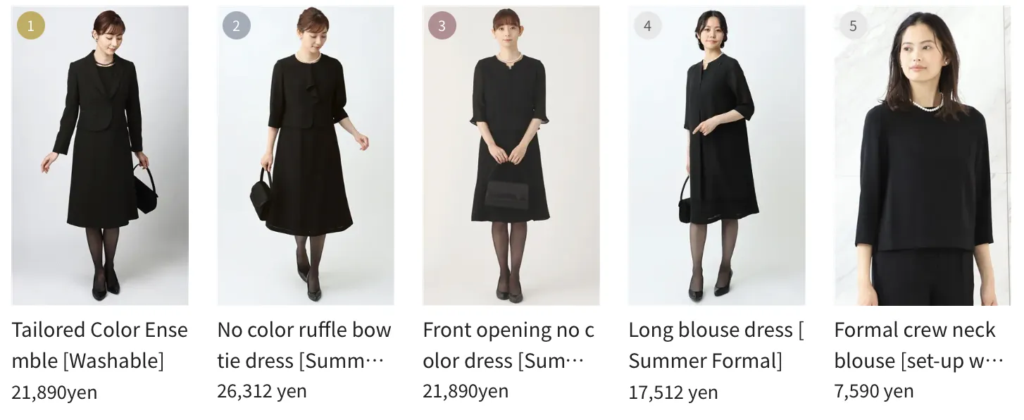
For most guests, the safest choice is conservative black formal wear. Think simple, matte fabrics, minimal jewelry, and subdued shoes and bags. If you own a black suit, this is the day for it.
A few etiquette points that help you avoid awkward moments:
Incense offering – how to move if you are unsure
When it is your turn, you will approach, bow, offer incense, bow again, then step away. The exact hand motions can vary, and you do not need to over perform them. The respectful pace matters more than perfect choreography.
If you are lost, just watch the person before you. Copy their timing. Nobody wants you to panic in the middle of the line.
Condolence money, kōden, and why it is given
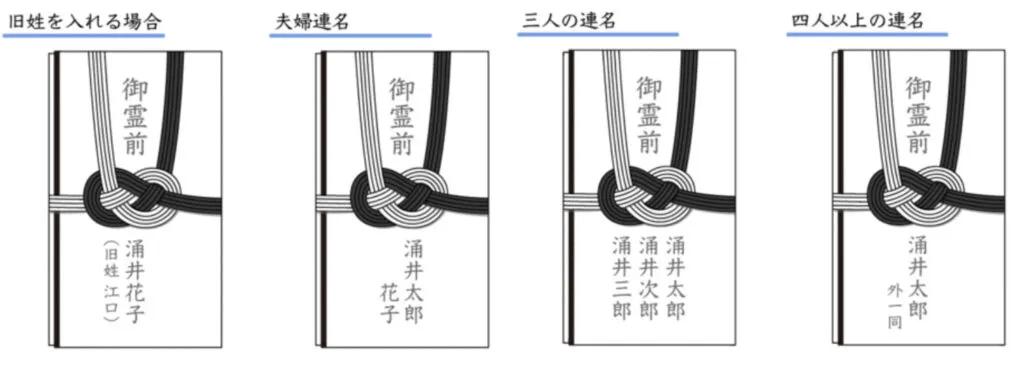
Many guests bring condolence money, called kōden, usually in a special envelope. It is not a “gift” in the cheerful sense, it is mutual support, helping the family with funeral costs while expressing sympathy.
Amounts vary by relationship, age, and region, so if you are unsure, ask a Japanese friend you trust, or discreetly ask someone at work who has attended before. That is normal, and honestly, people do it all the time.
What happens after
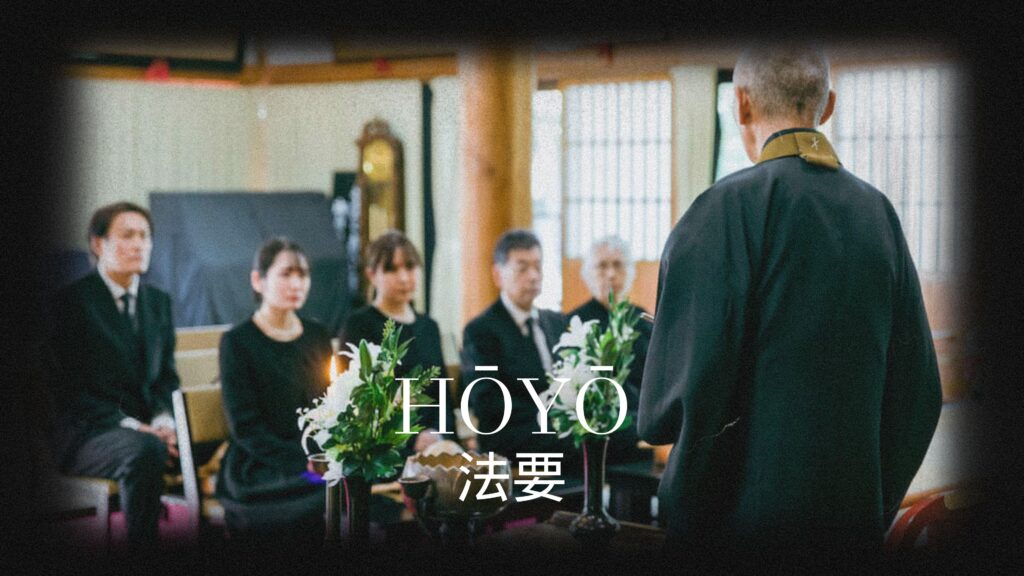
In many families, the ashes are placed in a family grave, often at a Buddhist temple cemetery. Sometimes this happens soon after the funeral, sometimes later, depending on schedules, distance, and family decisions.
Memorial services continue after the funeral. You may hear about:
- Day seven services, and other early memorial dates, depending on the family
- Day forty nine, a major milestone in many Buddhist traditions
Annual visits, especially around Obon season, when families return to graves and clean them
If someone invites you to a memorial service, it usually means you mattered to the deceased or the family, even if you were “just a coworker.” That invitation is a kind of trust.
Shinto and Christian services in Japan
Buddhist style is common, but it is not the only option. Some families hold Shinto funerals, and Christian style ceremonies also exist, particularly in certain communities and for people who prefer that format.
The practical advice stays similar, dress conservatively, keep your behavior quiet and supportive, follow the room’s lead, and do not make it about your uncertainty. Respect lands even when your Japanese is limited.
Read More
The heart of it, why these traditions endure
Funeral traditions in Japan are detailed, yes, but underneath the details is something very human. A community shows up. People contribute quietly. The family is given structure at a time when life feels structureless.
And in a country where so much daily life is about not burdening others, a funeral is one of the rare moments where it is socially acceptable to say, without words, we will carry this with you for a while.
Read More