
Kimono Rental Tokyo: The Complete Guide for First-Time Visitors
For many people, the beauty of kimono is part of the appeal of Japan. It is an iconic piece of national dress, recognizable by sight across the world. As such, many people who visit Japan want to try it out for themselves. Though there are a few concerns: where can you find them? Is it
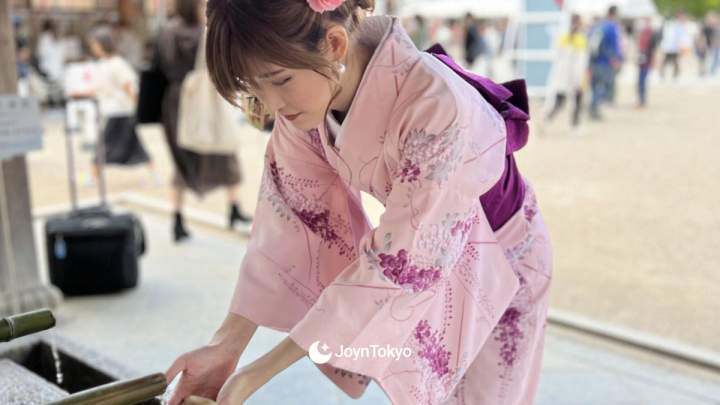
For many people, the beauty of kimono is part of the appeal of Japan. It is an iconic piece of national dress, recognizable by sight across the world. As such, many people who visit Japan want to try it out for themselves. Though there are a few concerns: where can you find them? Is it alright to wear them? Are they difficult to dress in? Well, let us ease your mind if you have ever wanted to dress like a traditional Japanese person.
Kimono Basics
Although kimono are sometimes thought of outside Japan as being similar to dressing gowns, they can actually be used both as semi-casual or extremely formal wear, in the same sense as a suit. You will sometimes see yukata — a form of cotton, summer kimono — in the warmer months, but many people think of kimono as the multi-layered, exquisitely put together outfits that are seem in period pieces.
Some people are concerned that wearing kimono might be considered a form of cultural appropriation, but in Japan, many people are actually approving of visitors wearing their national dress. While it might be frowned upon in other countries, Japanese people are typically happy that people from abroad are trying to appreciate their culture.
Another misconception is that kimono are just for women. While it is certainly true that women’s kimono are more extravagant, men’s kimono can be just as fun to wearing and stunning to look at, though they tend to emphasize “manliness” over “beauty” (my kimono has tigers and dragons on the underlayer).
Okay, so now we know a little more about kimono, where shall we go to wear them?
Best Kimono Rental Shops in Tokyo
While there are a number of kimono shops across Tokyo, many of the most popular tend to be in locations that resonate with “old” Japan, such as in Asakusa. Here are a few of our recommendations.z
Yui Kimono
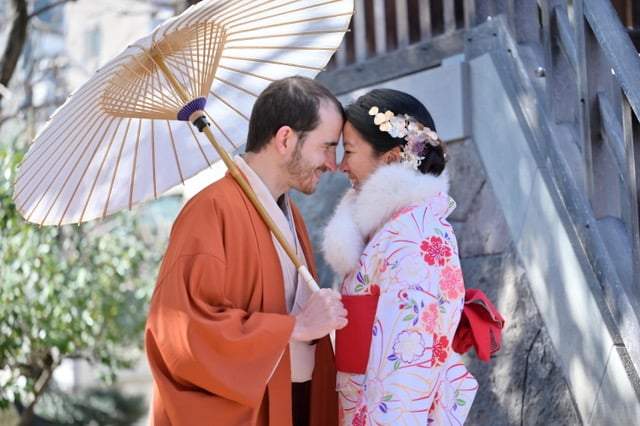
Kimono Koto
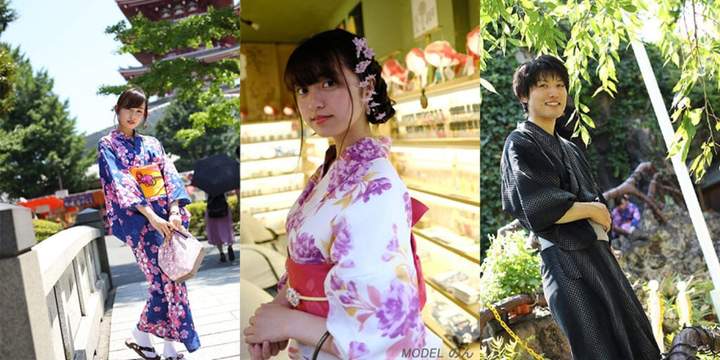
Hanaka Kimono
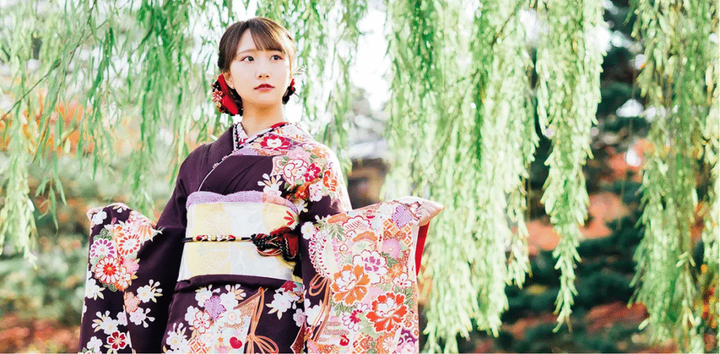
Aki Kimono Rental
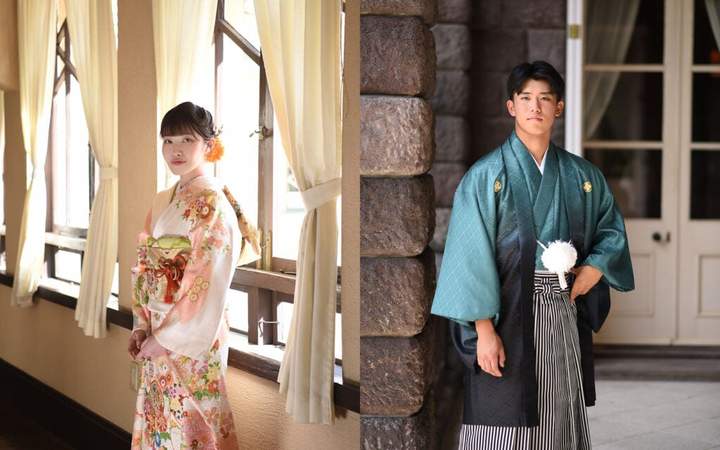
Sakaeya
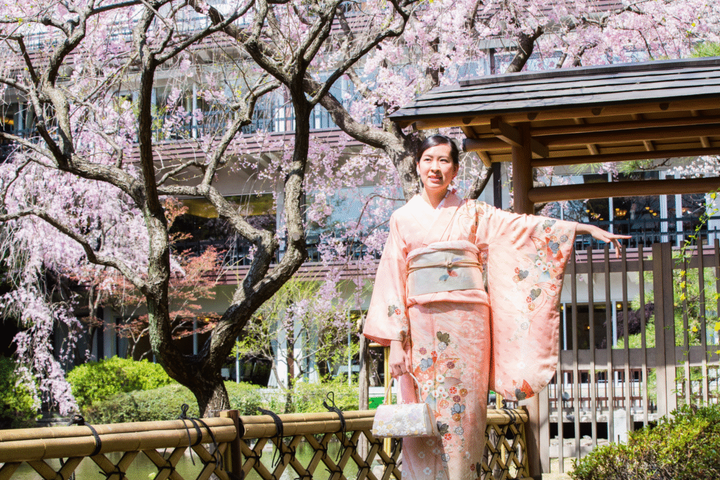
Blossom Kimono
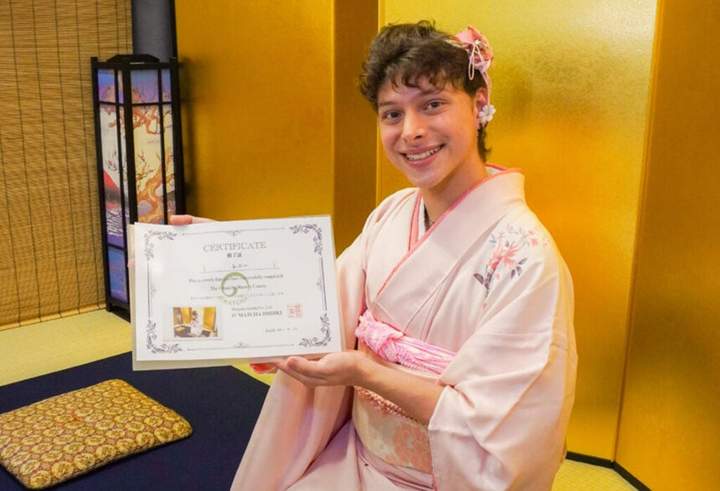
Specializing in providing kimono rental, dressing, and hair and make-up services for members of the LGBTQ+ community, with packages starting from ¥10,000. The 4th-Kyu kimono professional, Tisha, focuses on quality of the dressing experience. It also offers packages for tea ceremonies and a few hours learning Japanese cooking at an authentically refurbished Taisho-era house.
Photoshoot Packages
Kimono rental shops are aware that, in addition to the joy of wearing the layered, expertly crafted garments, you’ll want to keep the memories with you forever. To help you keep this occasion with you forever, therefore, many offer photoshoot packages.
Blossom Kimono, for example, offers both outdoor photography sessions and professional studio and editing options as part of their premium packages.
Sakaeya also offers photoshoot options for people that book with them, as does Shibui Kimono, in Harajuku. Shibui indeed makes professional photography second among its priorities, after accessibility.
Even if a particular kimono rental store does not include photography, chances are they will know a photographer who is willing to help — all you need to do is ask!
How to Book a Kimono Rental in Tokyo Online
Despite the traditional nature and respect for kimono in Japan, many kimono rental shops are more than in touch with the modern world than you may think.
Almost all kimono rental stores have online booking facilities, as they are especially important for more complex kimono, such as furisode.
While it is easy to book your appointment, remember that many Japanese websites will ask for an address or a phone number for your booking. If you’re a resident, this should be no problem, but as a tourist, you may need to learn the address of your hotel (and ask reception if it is acceptable to use their phone number to get in touch with you).
Popular Photography Spots in Tokyo Wearing a Kimono
Tokyo is a city not wanting for spots that are overwhelmingly photogenic. However, some are more popular than others. Many of these spots have been highlighted specifically by the aforementioned kimono rental stores.
Sensoji
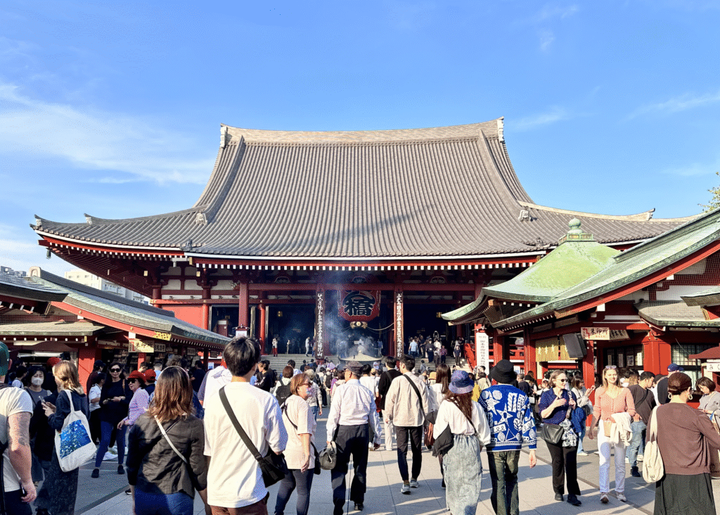
A Buddhist temple at the heart of Asakusa known far and wide for its imposing Thunder Gate (kaminarimon), this is an area absolutely awash with classical Japanese architecture, food, and feeling. Part of the reason that so many rental kimono stores are based here is due to its inherent “old Tokyo” feeling. You can’t go wrong wearing kimono here.
Meiji Jingu
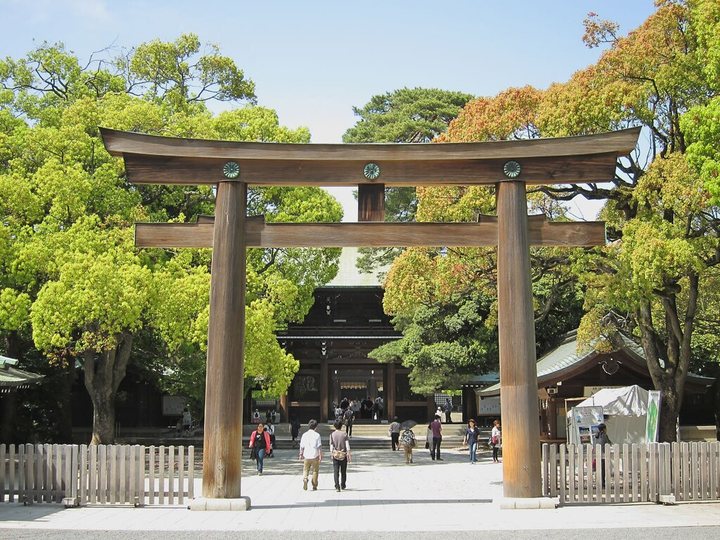
From Buddhism to Shinto, this holy site is (as mentioned) an oasis of nature and calm in the concrete jungle of Tokyo. Many people wear kimono on a visit to this place — and if you’re lucky, you might even see a Shinto wedding, where the most foral (and most beautiful) of kimono are on display.
Shinjuku Gyoen
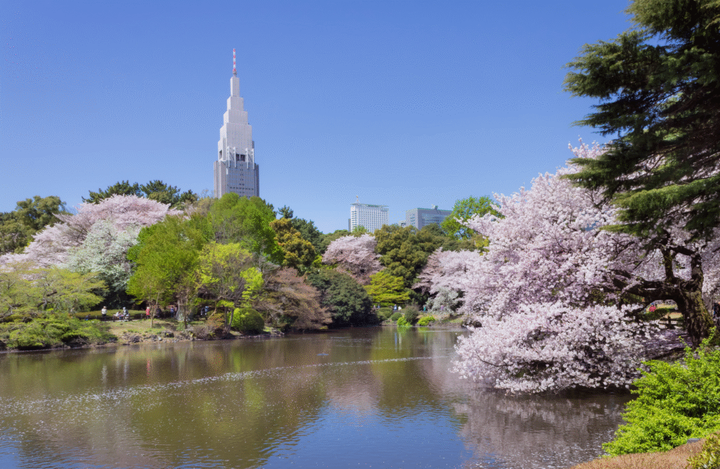
Another natural haven in the world’s largest metropolis, this garden is an absolute joy all year round… but the spring and winter colors make it especially appealing at those times. It is a huge open space with plenty of room for picnics, and flora galore (as well as the chance to see a tanooki, if fortune favors you!). Just make sure not to get grass stains on your obi!
Read our Shinjuku guide for more stuff to do near Shinjuku Gyoen!
Shibuya
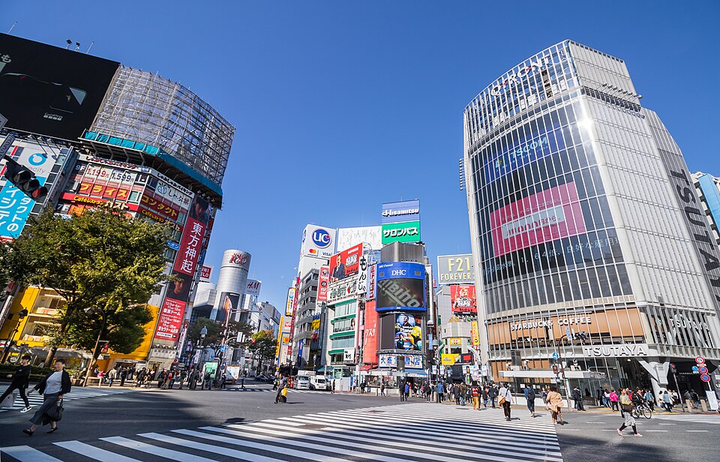
Don’t fancy the traditional areas? Prefer to take your old-school clothing into a modern age milleu? Then there’s no better place than Shibuya. With the stalwart Hachiko a perennial favorite for visitors and citizens alike, the iconic Scramble cross-walk, and the towering yet friendly 109 building in the background, Shibuya is the perfect place for old to meet new.
For more things to do in Shibuya, read our Shibuya guide!
Renting kimono — much less wearing it — can seem a little daunting at times. I’ve actually known friends who didn’t wear them because they were too nervous. But there is no need to be nervous: as well as being a cultural experience, and a way to connect more deeply with Japan, they are also just clothes. Why shouldn’t you wear kimono? Why not enjoy Japan to its fullest?
Related JoynTokyo reads

Ultimate Guide to Driving in Japan
A driver spent a week cruising Hokkaido and called it the most relaxing road trip of his life. Another took a mountain route from Kusatsu to Kanazawa and described it as “like being dialled into an F1 race car.” Both were experienced drivers. Both were in Japan. Both are right. Honestly, driving in Japan is

Cash vs Card in Japan: What Should You Use in 2026?
People who went to Japan five years ago will tell you cash is king. People who went last month will tell you they barely touched a note. Both are telling the truth, they just had different trips. The honest answer for 2026 is this: Japan has changed significantly. Most major establishments in cities now accept
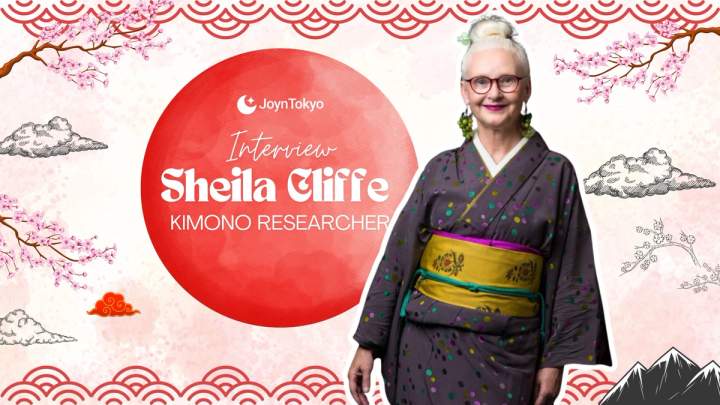
Sheila Cliffe on The Kimono Closet and the Stories Kimono Hold
Sheila Cliffe is a longtime kimono researcher and the author of Kimono Style. In her new book, The Kimono Closet, she looks beyond kimono as fashion or art objects and instead explores their deeper place in family life, memory, and identity. She spoke with JoynTokyo to give us an exclusive look at the new book,