

Moving to Japan often starts with a simple decision and then quickly turns confusing once visas enter the picture. Japan does not have one general long term visa that fits everyone. Your job plans, personal relationships, finances, and how long you want to stay all shape what is realistic. This guide is meant to help you narrow down which visa path actually matches the life you are trying to build.
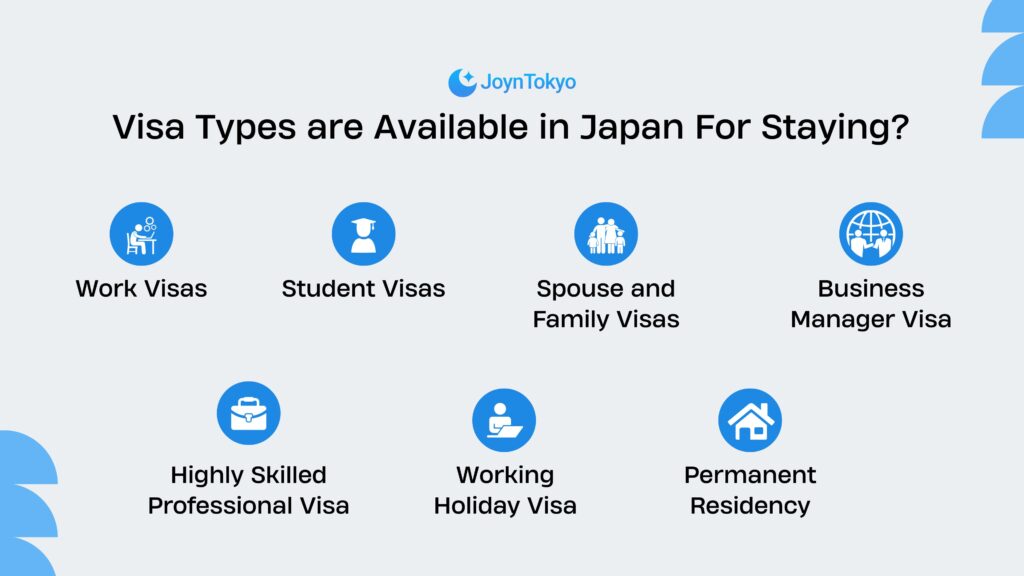
Work Visas – For People Planning to Be Employed
Work visas are the most common path for long term residents. They are tied to professional fields rather than individual companies, but you must still have a job offer to apply. These visas work best if you already have a degree and experience that Japan recognizes.
Common work visa categories include Engineer Humanities Specialist International Services, Instructor, and Skilled Labor.
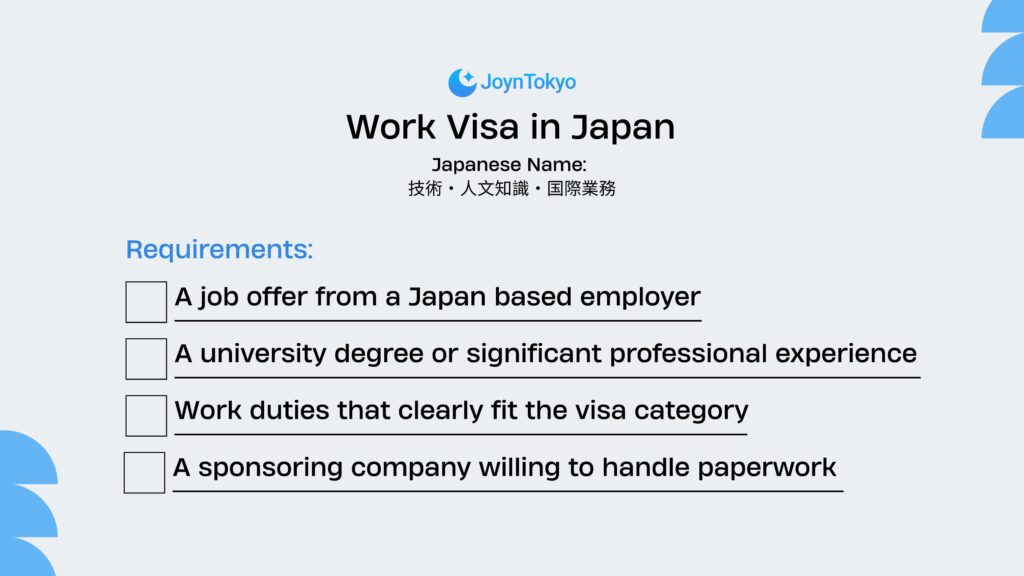
Typical requirements and conditions include:
- A job offer from a Japan based employer
- A university degree or significant professional experience
- Work duties that clearly fit the visa category
- A sponsoring company willing to handle paperwork
This path makes sense if you want stability and income, but it does lock you into working within approved roles.
Student Visas – For Learning First and Figuring Things Out Later
Student visas are often used by people who want time in Japan without committing to a career immediately. Language schools, vocational schools, and universities can all sponsor this visa. It is temporary, but it gives you breathing room.
Student visas allow part time work, up to 28 hours weekly, which helps cover living costs but will not fully support you in most cities. Many people use this visa as a stepping stone into a work visa later.
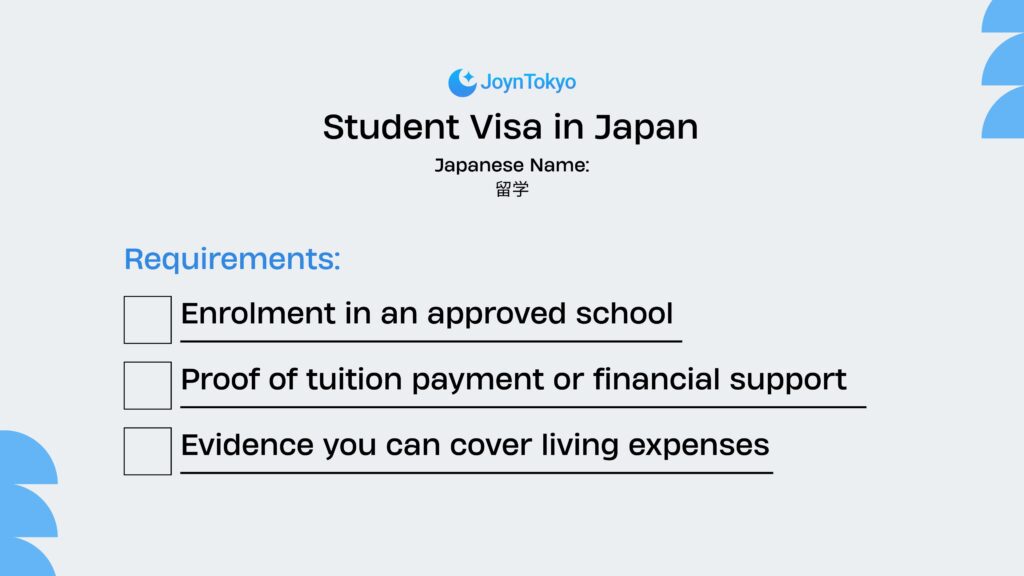
Typical requirements and conditions include:
- Enrolment in an approved school
- Proof of tuition payment or financial support
- Evidence you can cover living expenses
This option is a good fit if you’re looking for early immersion and flexibility. It also improves your chances of securing a full time role, since strengthening your Japanese makes you more competitive.
Spouse and Family Visas – For Relationship Based Moves
If you are married to a Japanese national or a permanent resident, this is one of the strongest visas available. It offers freedom that work visas do not. You are not restricted to a specific job type and can change work freely.
There is also a dependent visa for spouses and children of foreign residents, though it comes with more limits. These visas rely heavily on proving the relationship is genuine.
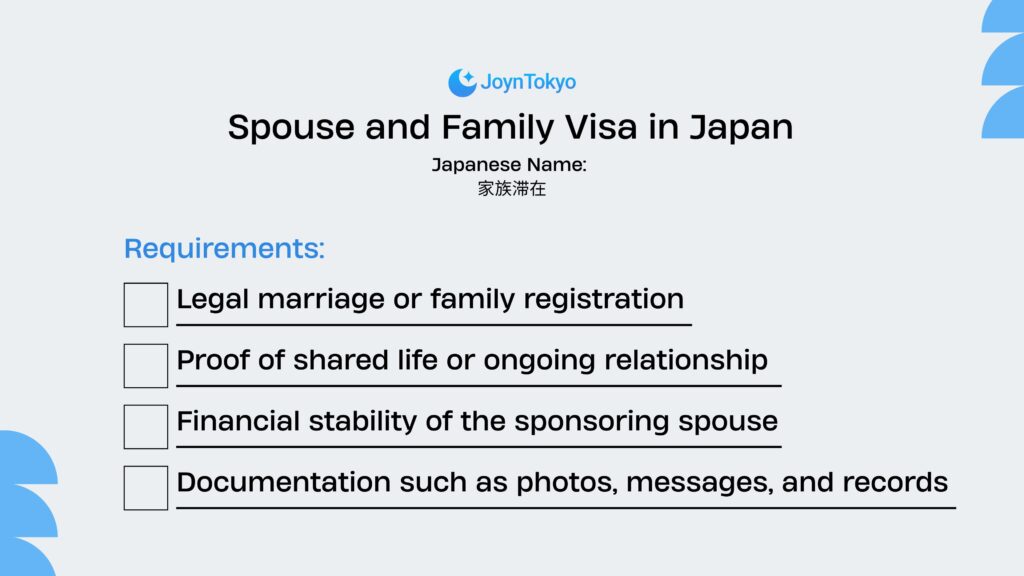
Typical requirements and conditions include:
- Legal marriage or family registration
- Proof of shared life or ongoing relationship
- Financial stability of the sponsoring spouse
- Documentation such as photos, messages, and records
This path is centered on your personal life rather than employment, but immigration authorities will closely examine the relationship and supporting evidence.
Business Manager Visa – For Entrepreneurs and Investors
This visa is designed for people who want to start or manage a company in Japan. It is not a casual option and requires serious preparation, as immigration expects a real business, not a side project.
You will need capital, an office, and a clear plan. Many applications fail because the business idea is vague or underfunded.
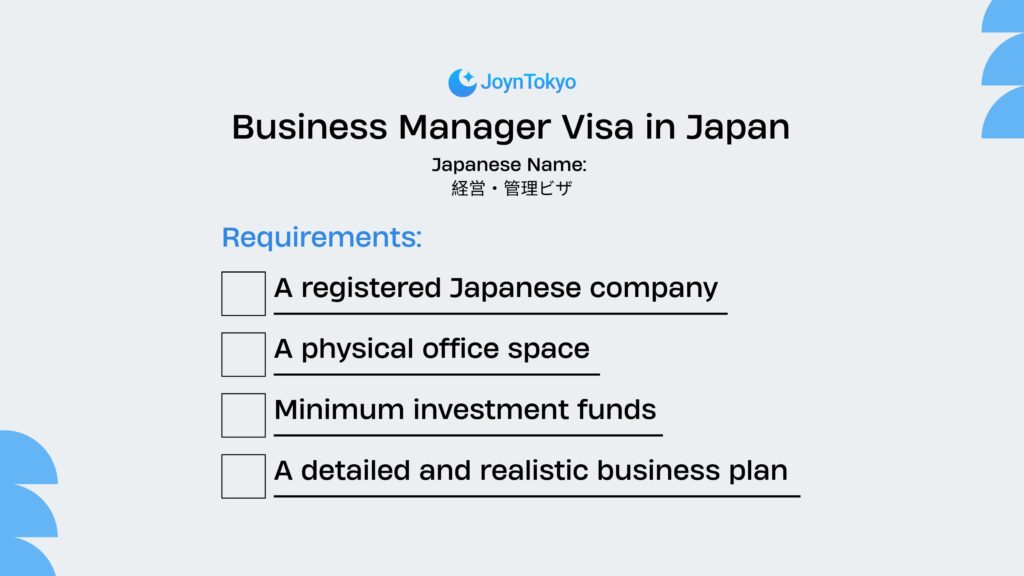
Typical requirements and conditions include:
- A registered Japanese company
- A physical office space
- Minimum investment funds
- A detailed and realistic business plan
This route suits people committed to building something long term in Japan.
Read More
Highly Skilled Professional Visa – For Career Focused Specialists
This is a points based visa that rewards education, income, and experience. It offers benefits like faster permanent residency and family privileges. Not everyone qualifies, but for those who do, it is powerful.
Points are calculated using a government system, in which higher salaries and advanced degrees can earn you more points.
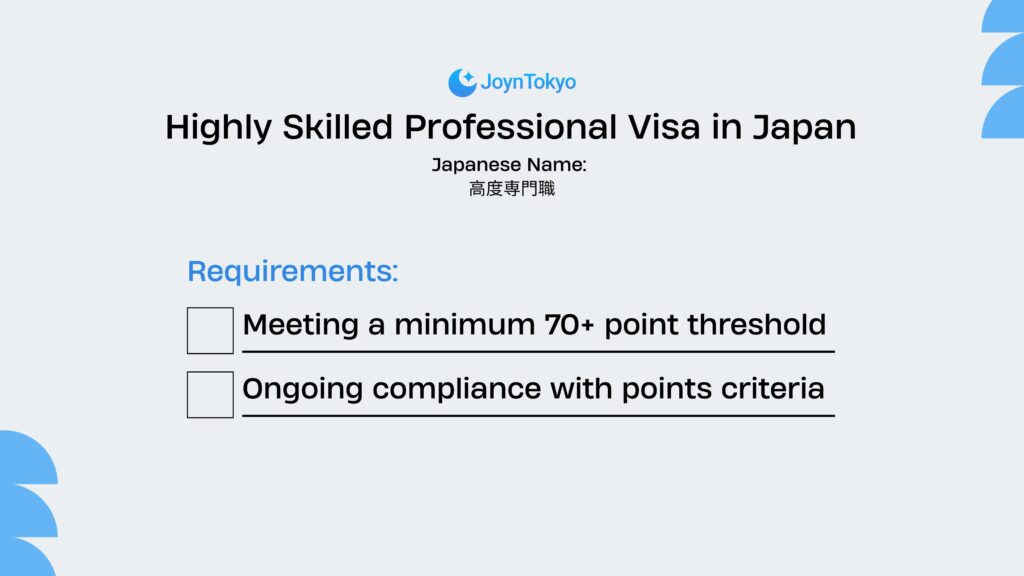
Typical requirements and conditions include:
- Meeting a minimum 70+ point threshold
- Ongoing compliance with points criteria
This visa is best for people already established in their careers.
Working Holiday Visa – Short Term With an Expiration Date
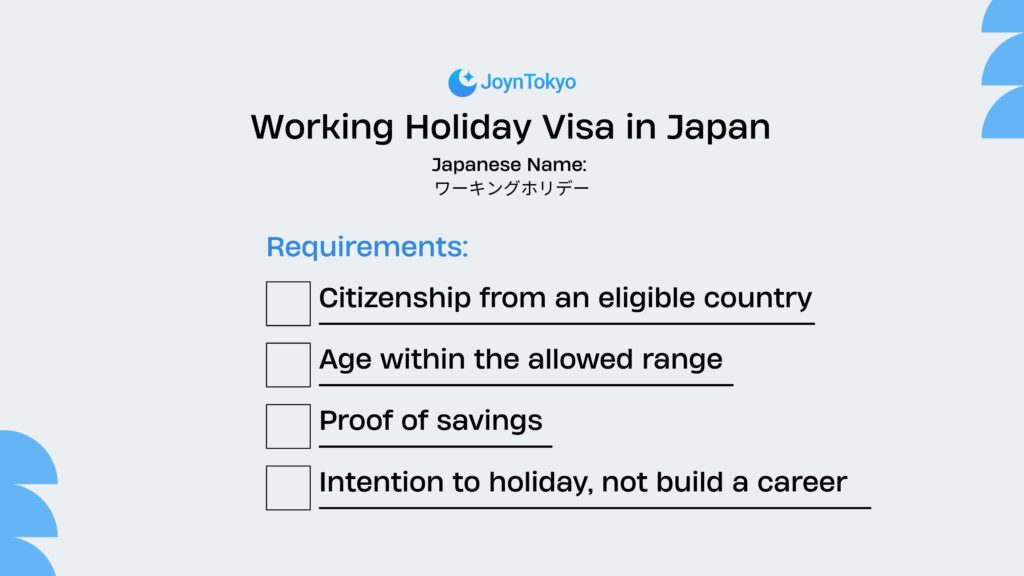
This visa allows young people from certain countries to live and work casually in Japan for a limited time.
Many people use this visa to test life in Japan before committing to another path. Just remember that time spent on it does not usually count toward permanent residency.
Typical requirements and conditions include:
- Citizenship from an eligible country
- Age within the allowed range
- Proof of savings
- Intention to holiday, not build a career
Think of this as a trial run, not a foundation.
Permanent Residency – The Long Game
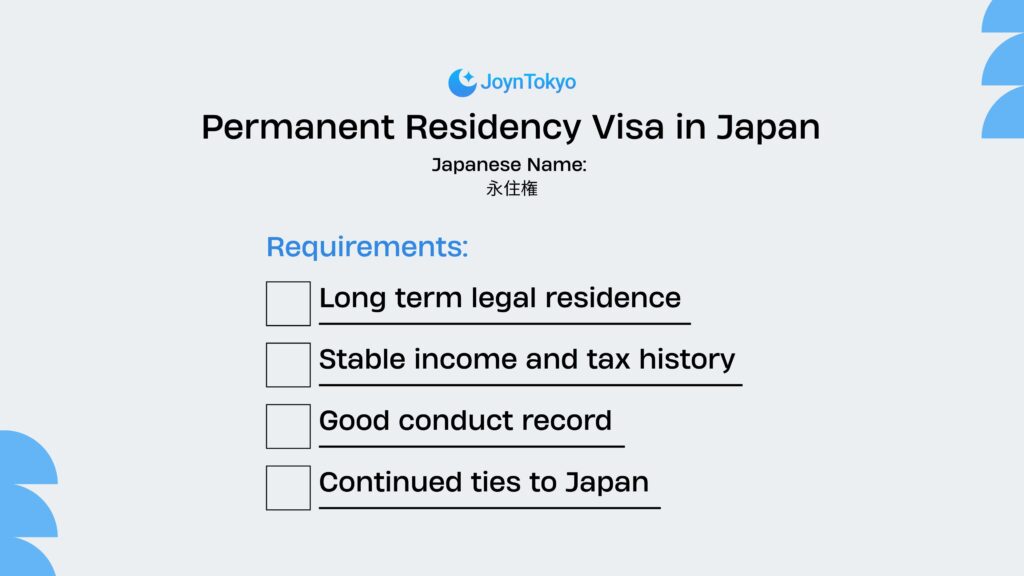
Permanent residency is not something you start with. It comes after years of stable residence under another visa. Requirements vary based on your situation, but consistency matters more than speed.
Most people apply after living in Japan for several years on a work, spouse, or highly skilled visa. Once approved, life becomes much simpler.
Typical requirements and conditions include
- Long term legal residence
- Stable income and tax history
- Good conduct record
- Continued ties to Japan
This is the end goal for many, but patience is part of the process.
Read More
What Happens After You Choose a Visa Path
Once you decide which visa makes sense, the process becomes more procedural and far less abstract. While details vary by visa type, the overall flow is surprisingly consistent. Knowing this ahead of time helps reduce stress and unrealistic timelines.
The common procedure usually includes
- Gathering documents required for your specific visa
- Working with a sponsor such as an employer, school, or spouse
- Applying for a Certificate of Eligibility through Japanese immigration
- Waiting for approval, which can take weeks or months
- Submitting the approved certificate to a Japanese embassy or consulate
- Receiving the visa and entering Japan
- Completing resident registration and related paperwork after arrival
This stage is mostly about patience and accuracy. Missing documents or unclear explanations cause far more delays than strict eligibility rules.
Choosing the Right Direction
The best visa is the one that matches how you will realistically live in Japan. Not the most flexible sounding one, not the one someone else used, but the one supported by your situation. Once you have a realistic visa path in mind, the focus shifts from permission to practicality.
What Comes Next?
The next major step is securing a place to live, which comes with its own rules, paperwork, and expectations. The next article in this roadmap breaks down the apartment rental process in Japan.