
Moving to Japan from Tanzania on a Scholarship: Issa’s Story
Meet Issa, originally from Kilimanjaro, Tanzania, raised in Arusha City, who came to Japan through a rare full scholarship route and later built a long academic path here—bachelor’s, master’s, and a PhD in Agricultural Science. Issa’s story is a powerful example of moving to Japan through education, and what happens after arrival: culture shock, language

Meet Issa, originally from Kilimanjaro, Tanzania, raised in Arusha City, who came to Japan through a rare full scholarship route and later built a long academic path here—bachelor’s, master’s, and a PhD in Agricultural Science. Issa’s story is a powerful example of moving to Japan through education, and what happens after arrival: culture shock, language barriers, dorm life, apartment hunting, and finding support.
1. Could you tell me a little about your background? Where are you from, what did you study, and so on?

I was born in Kilimanjaro, Tanzania, but I grew up in Arusha City. I come from a street that is quite famous locally for the wrong reasons. It’s called Unga Limited, also known as Ngalelo. The area is influenced by underground hip-hop culture, social movements, and a strong sense of marginalization that sometimes pushes young people toward rebellious paths. But for me, that place is home. It shaped my character early in life and taught me resilience, awareness, and the importance of choosing my own direction regardless of my surroundings.
My name, Issa, simply means ‘Jesus,’ and I belong to the Pare tribe. My surname, Kachenje, comes from that heritage. The Pare people, also known as Wapare, are indigenous to the Kilimanjaro region, so in many ways, my roots are strongly tied to that area even though I was raised in Arusha.
During my first year of undergraduate studies in Tanzania, I received a scholarship to study in Japan as a special international student (tokubetsu ryugakusei) at Tokyo University of Agriculture. It was a very rare opportunity because top students from different faculties and campuses competed for a single slot, so I felt extremely lucky and deeply grateful.
I studied International Agribusiness Management for both my bachelor’s and master’s degrees, and later pursued a PhD in Agricultural Science. My academic journey has mainly focused on agriculture, rural development, and how farming systems can create better economic and social outcomes for communities.
2. What was it that drew you to Japan?
Two main reasons drew me to Japan, one personal and the other practical.
From a practical and financial perspective, studying abroad on a full scholarship was a dream for many top students in Tanzania. Most of our professors had studied overseas, so it felt like a path that could broaden my academic and life experience. When I received the tokubetsu ryugakusei scholarship, it was simply too good to pass up because everything was covered, and it opened doors that would have been very difficult to open otherwise.
On a personal level, the motivation started much earlier. When I was a child, around 7 years old, I promised my mother that I would study hard, learn English, go abroad, and eventually earn a PhD. So when the chance came, it felt like I was honoring a long-held promise to both her and myself.
But the most important reason was actually internal. Growing up, I was often told I was the best student, and over time I became aware that this praise was making me overly confident. I didn’t want confidence to turn into arrogance. I felt that moving to Japan, a culture known for humility and modesty, would help ground me and keep me balanced.
So in the end, Japan represented opportunity, personal growth, and a chance to stay humble while pursuing my goals, especially my long-term goal of being useful to my community, which has always been my number one priority.
3. What was the moving process like for you?
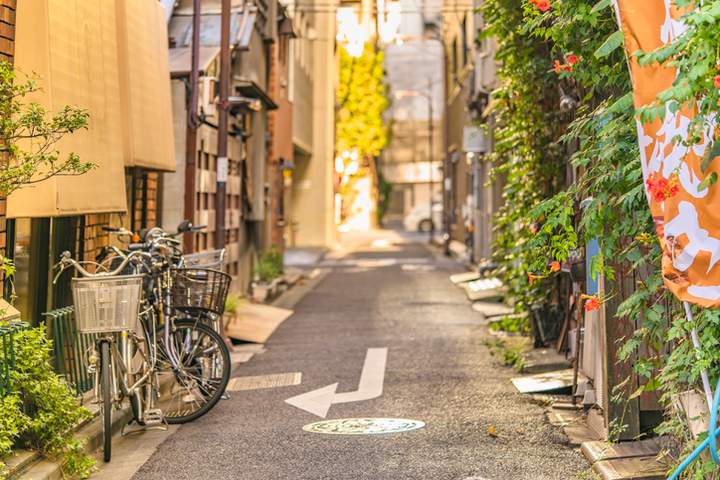
The moving process was honestly a little scary at first. It really felt like a leap of faith. I didn’t know anyone in Japan, I couldn’t speak Japanese, and I had no clear idea of what daily life would be like. So naturally, I was nervous.
Fortunately, I met some very kind and supportive people through the university who helped me settle in. Without their guidance, I think the transition would have been much harder.
I stayed in the university dormitory during my bachelor’s studies, which made things much easier, and the university provided strong support for special international students, from opening bank accounts to finding part-time jobs on campus.
After some time, everything became more manageable, and I started to feel comfortable. Looking back, I’m really grateful for the people who supported me in those early days, because that support made all the difference in helping me adjust and build a life in Japan.
4. Did you encounter any difficulties when moving into an apartment in Tokyo? What were they? How did you overcome them?
I was actually very fortunate when I moved into an apartment in Tokyo after finishing my bachelor’s degree, because the university continued to support me during the transition.”
From what I observed, the biggest challenges for many international students are finding an apartment that is foreigner-friendly, understanding insurance requirements, and securing a guarantor, which is almost always required in Japan. Those steps can be quite stressful if you’re navigating them alone.
In my case, I was lucky. The university provided extensive guidance, helped with administrative matters such as fire insurance, and some professors were even willing to act as guarantors.
Because of that support system, the process was much smoother for me than it is for many other students. I still had to learn how the housing system worked, but I never felt completely lost, which made a huge difference.
5. What were some nice surprises you encountered when moving?
One of the nicest surprises for me was actually my landlord and his family. Before coming to Japan, I had heard that people are often very busy and don’t have much time for socializing, so I didn’t expect much interaction.
But my landlord was completely different. He was incredibly friendly and always checked in to see how my studies were going. He spoke English, brought me small gifts when he returned from trips, and even invited me to his home from time to time.
We talked about many things, and he often helped me with Japanese paperwork, which isn’t easy to find.
Living there made me feel truly welcome and at home. He never made me feel like an outsider. Instead, he made me feel that I belonged, and that had a very big impact on my overall experience in Japan.
6. What advice would you give to people in a similar situation to yours?
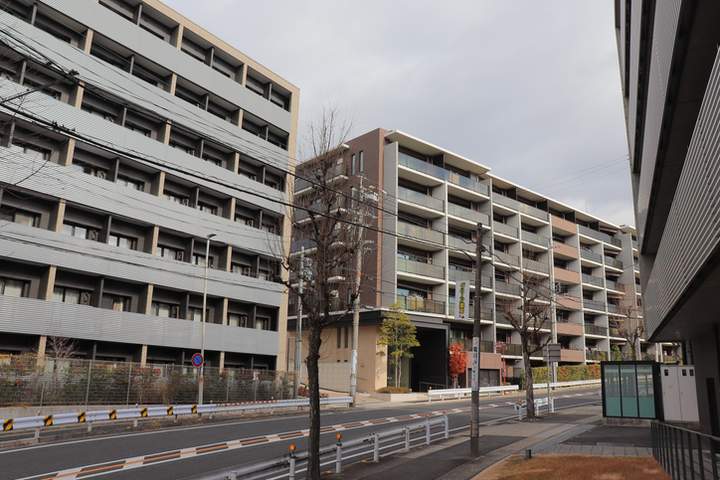
I would say that moving to Japan can feel a bit scary at first because the culture is very unique and there are many social rules that can sometimes feel overwhelming.
But the experience becomes much easier if you find the right people and channels to support you. If you build a small support network early on, daily challenges quickly become manageable and even enjoyable.
On the other hand, if you start off without guidance, it’s easy to feel lost and think everything is difficult.
So my main advice is: don’t try to do everything alone, seek help, stay open-minded, and give yourself time to adjust. Once you settle in, Japan can be an incredibly rewarding place to live and grow.
Final thoughts
Issa’s journey shows that moving to Japan can start with something rare—like a full scholarship—but the deeper challenge is still the same for everyone: learning a new system, a new culture, and a new way of living. The strongest advantage Issa had was support: university guidance, dorm life, and people willing to help. And the biggest lesson is clear—if you build a support network early, Japan becomes not only manageable, but deeply meaningful.
Related JoynTokyo reads

Ultimate Guide to Driving in Japan
A driver spent a week cruising Hokkaido and called it the most relaxing road trip of his life. Another took a mountain route from Kusatsu to Kanazawa and described it as “like being dialled into an F1 race car.” Both were experienced drivers. Both were in Japan. Both are right. Honestly, driving in Japan is

Cash vs Card in Japan: What Should You Use in 2026?
People who went to Japan five years ago will tell you cash is king. People who went last month will tell you they barely touched a note. Both are telling the truth, they just had different trips. The honest answer for 2026 is this: Japan has changed significantly. Most major establishments in cities now accept
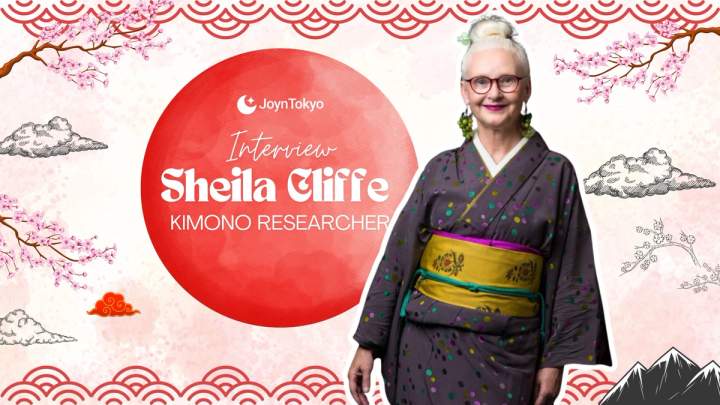
Sheila Cliffe on The Kimono Closet and the Stories Kimono Hold
Sheila Cliffe is a longtime kimono researcher and the author of Kimono Style. In her new book, The Kimono Closet, she looks beyond kimono as fashion or art objects and instead explores their deeper place in family life, memory, and identity. She spoke with JoynTokyo to give us an exclusive look at the new book,