
How to Say Sorry in Japanese: A Guide to Apology Culture
Apologies in Japan are more than simple words — they reflect respect, humility, and the desire to maintain harmony. For foreigners living in Japan, mastering the art of saying “sorry” can prevent misunderstandings and strengthen relationships at work, school, and in daily life. This guide explains not only the most common expressions but also the

Apologies in Japan are more than simple words — they reflect respect, humility, and the desire to maintain harmony. For foreigners living in Japan, mastering the art of saying “sorry” can prevent misunderstandings and strengthen relationships at work, school, and in daily life. This guide explains not only the most common expressions but also the cultural nuances behind them, so you can choose the right mea culpa for any situation.
Why Apologies Matter in Japanese Culture

In Japan, saying sorry is not always about admitting fault. Often, it is a way of showing empathy or acknowledging someone else’s feelings. For example, sumimasen can mean both “I’m sorry” or “thank you,” depending on the context. This reflects the balance of humility and gratitude that many people consider to be a hallmark of Japanese society, even today.
Apologies are also reinforced through body language. A light nod may accompany a casual “my bad,” while a deep and long bow conveys a serious, “my deepest apologies” in more formal situations. Both the choice of words and the way you deliver them matter.
Casual Apologies for Friends and Family
When speaking with friends, family, or close acquaintances, casual expressions are enough. These phrases are friendly, light, and often used for everyday mistakes.
1. ごめん (gomen)
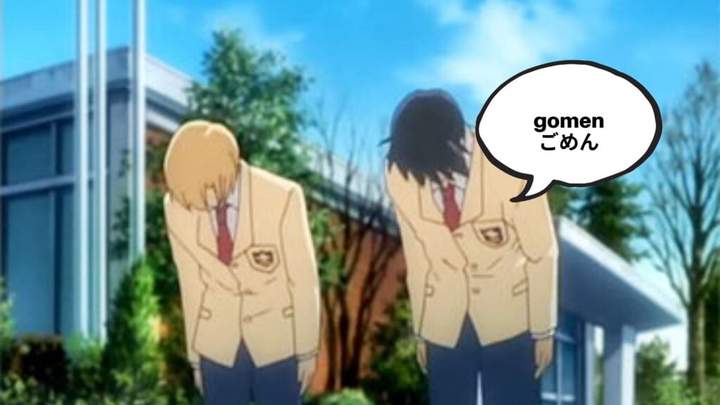
A short, casual apology similar to “sorry.” It is the go-to phrase among friends or family when the situation isn’t serious. Because it’s light in tone, it can come across as careless if used in a more formal context, so avoid using it at work or with strangers. It is a commonly used apology term in regardless of age.
Examples:
2. ごめんね (gomenne)

More polite than gomen, but still not business-level formal. It strikes a good balance of friendliness and sincerity, making it suitable when you want to show you truly regret a small mistake. Likely to be used among children, but it is sometimes used by adults as well in causal settings. Again, it is appropriate among friends, but better to avoid in serious occasion, especially when you are the cause of a conflict, since some people will be offended ifyou are not taking the topic or apology seriously.
Examples:
3. 本当にごめん/ごめんなさい (hontō ni gomen/gomen nasai)
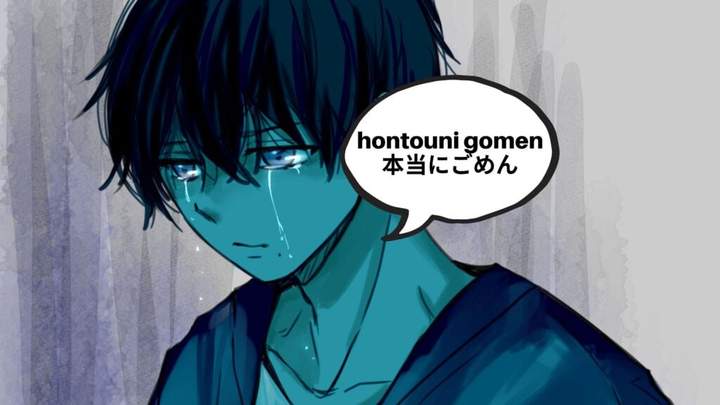
This adds a strong emphasis, showing that you are genuinely sorry. The word hontō ni means “really” or “truly,” which increases the emotional weight of the apology, and “nasai” is a polite modifier for the typical “gomen.” They are often used in personal relationships when you feel guilty and want to reassure the other person of your sincerity, orwhen you got into a serious argument with a person you are close to, asking not for excusal, but forgiveness.
Examples:
4. 悪いね / 悪かった (warui ne/warukatta)

Literally “that was bad,” this phrase is casual and friendly. It often implies that you feel sorry for slightly inconveniencing someone, like making them wait or asking for a small favor. While polite in its own way, it should only be used with people close to you, as it may sound too light for formal situations. It can also be used for teasing or provoking, so better to avoid using this term if you are very fluent in Japanese.
Examples:
5. すまん / すまなかった(suman/sumanakatta)
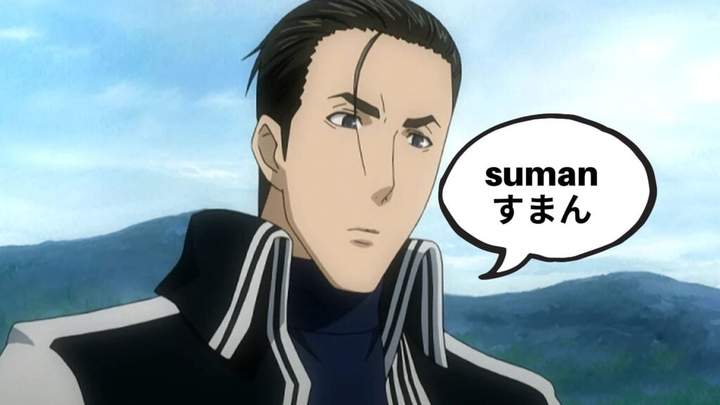
A very casual, masculine way to say sorry. It has a blunt, straightforward tone and is often used between close male friends or in anime settings. While it can sound cool or rough, using it with strangers or superiors would come across as rude. Suman is commonly used in jokes as well, so it is not a proper term to use in case of serious apologies, even among friends. Also, while it used to be used more by men, nowadays it is a more genderless term. Sumanakatta is simply the past version on suman, which is commonly used when you want to apologize on what happened in the past.
Examples:
Polite and Business Apologies in Japanese
In professional settings, with strangers, or when addressing elders, more formal apologies are required. These phrases show respect and responsibility.
1. すみません / すいません (sumimasen/suimasen)
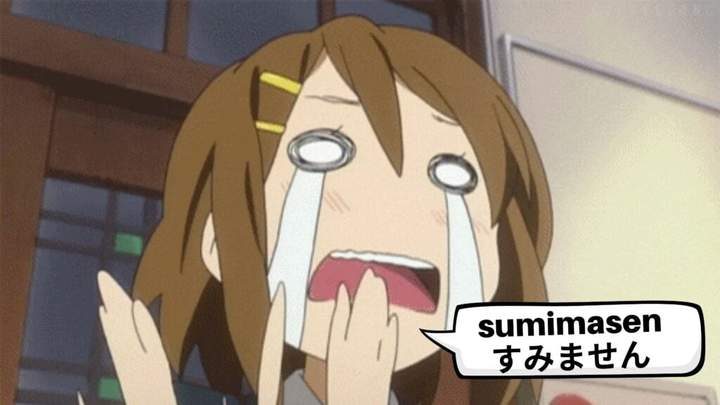
One of the most versatile phrases in Japanese, meaning “sorry,” “excuse me,” or “thank you.” Its wide usage makes it safe in almost any polite situation. The tone of voice and body language will determine whether it feels more like gratitude, an apology, or a request for attention. “Suimasen” has the same meaning, but it is considered more informal, so if you are in business or formal occasion, using sumimasen is more likely.
Read more about the term Sumimasen and its use cases in this article!
Examples:
2. 失礼しました (shitsurei shimashita)
Literally meaning “I was rude,” this phrase is used when you’ve done something inappropriate or a little disruptive. It’s a polite way to smooth over small social mistakes, like interrupting or entering the wrong room. While it acknowledges the action, it doesn’t sound as heavy as a full-blown apology. Similar to sumimasen, it is used in occasions other than apology as well. For example, when you are leaving your boss’s room, saying shitsurei shimashita is polite inJapanese business language. It is also the standard thing to say when hanging up the phone.
Examples:
3. 申し訳ありません/申し訳ございません (mōshiwake arimasen/moushiwake gozaimasen)
A very formal expression of apology, often used in business or customer service. It conveys deep regret and takes full responsibility for causing trouble. This is not a phrase for casual contexts: it emphasizes sincerity and humility, making it one of the strongest everyday apologies. If want to be more polite, use moushiwake gozaimasen. This upgraded term is used in the same circumstances, but if the offense is not that serious, probably using it will be considered too much.
Examples:
4. お詫び申し上げます (owabi mōshiagemasu)
One of the most respectful and formal ways to apologize. This phrase is common in official company statements, public announcements, and situations requiring strong accountability. It carries a sense of gravity and is rarely used in daily conversations. It is commonly used in the event of incidents by businesses or governments, but never used among friends or family by locals. If you’ve ever seen a Japanese CEO or minister apologize, you’ve heard this phrase.
Examples:
5. 恐れ入ります (osore irimasu)
Literally meaning “I am humbled,” this phrase acknowledges someone’s effort or inconvenience. It is polite but less heavy than mōshiwake arimasen, making it common in customer service interactions. It often softens requests while showing humility. Sometimes, it is used more in means of appreciation like when your customer did something nice to you, you can say osore irimasu. It shows appreciation but also respect and boundary. When asking to transfer a call, for example, it is common to say, “osore iremasu ga, — san ga irrashaimasu ka?” (Please excuse me, but is Mr/Mrs — available?”).
Examples:
Apologies Used for Mistakes and Trouble
When you realize you have made a mistake, it’s important to show responsibility and acknowledge the trouble caused. These phrases are specifically used to admit errors.
1. 間違えてしまいました (machigaete shimaimashita)
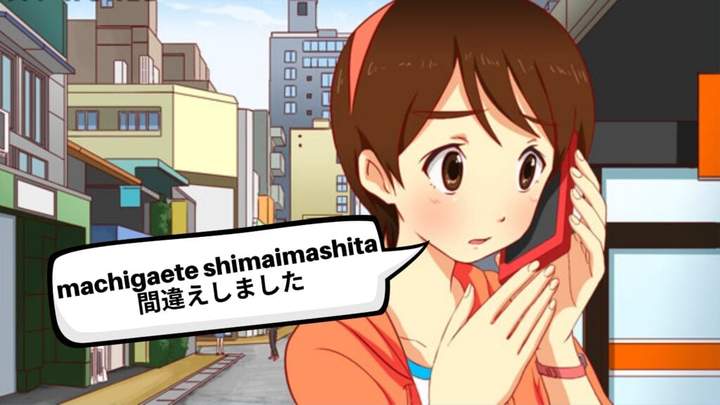
This is a polite and straightforward way to admit you made a mistake. The ending -te shimaimashita implies regret, as if the mistake was unintentional. It is a safe and common way to admit fault in both daily life and professional contexts. It is more like letting them know that you have made a mistake rather than that you intentionally did something wrong. If you want to emphasize your behavior as a part of the apology, it is better to put it together with other terms above like sumimasen or moushiwake arimasen.
Examples:
2. ご迷惑をおかけいたしました (gomeiwaku o okake itashimashita)
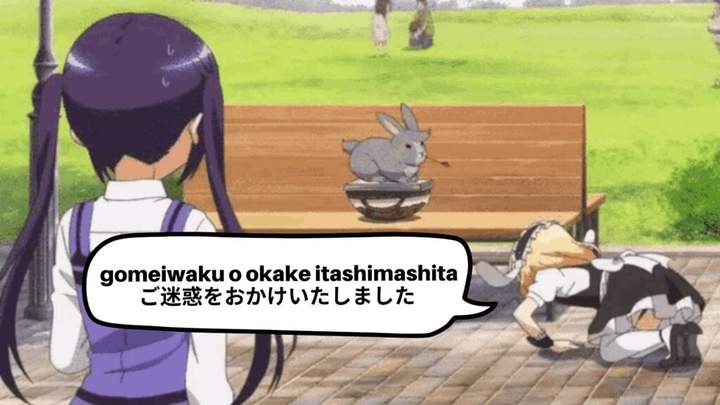
A humble, formal phrase emphasizing the trouble you caused. It doesn’t only admit your error, but highlights its impact on others. This makes it suitable in business or when your mistake has directly inconvenienced someone. When you want to emphasize the apology put “taihen” (which means “greatly”) right before the term.
Examples:
3. お許しください / 許してください (oyurushi kudasai / yurushite kudasai)

Literally “please forgive me,” this is a very direct and heartfelt way to seek forgiveness. It shows humility and an active request for the other person’s compassion. Because of its weight, it is used less in everyday conversation and more in serious contexts. It is never used in business situations, but more regularly in conflicts between individuals. Locals rarely use it in everyday conversation, so if you want to apologize in normal situation, it is better to go with other terms detailed above.
Examples:
4. 不手際で申し訳ございません (futegiwa de mōshiwake gozaimasen)
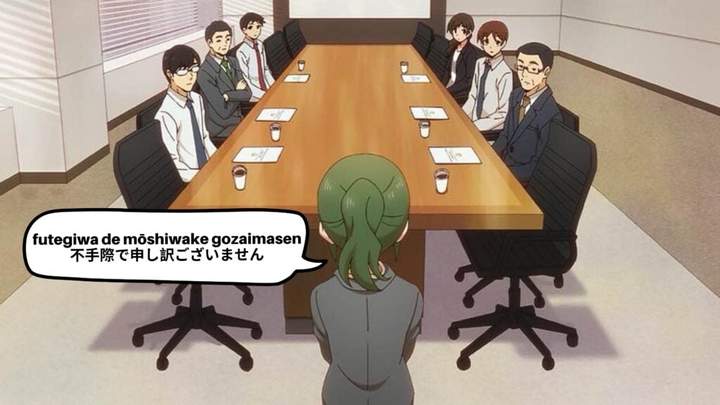
This is a formal phrase often used in business, customer service, or official statements. It literally apologizes for mishandling or clumsiness in procedure. It signals full responsibility and is best reserved for professional contexts where errors need to be formally acknowledged. Not usually used in daily lives, but it is good to know just in case something wrong happened with your work.
Examples:
Choosing the Right Apology in Japan
Apologies in Japan depend not only on words, but also on timing, formality, and delivery. Here are some cultural points to remember.
Match the level of formality
Use gomen with friends, sumimasen with strangers, and mōshiwake arimasen in business. Using terms that are too formal with your friends can sound weird, and using informal terms with your boss or clients can be disrespectful, and may cause negative results.
Add body language
A nod can accompany casual apologies, while a bow is expected in formal contexts. However, bowing does not offend or considered to be overly respectful by anyone, so it is better to bow whenever you use the terms to say sorry in Japanese.
Avoid over-apologizing
While frequent apologies are common in Japan, foreigners should be careful not to overuse them, as it may sound unnatural or insincere. It might happen that you to use Sumimasen or Suimasen on many occasions, since they carry multiple meanings beyond apology, yet usingthese terms as a foreigner too frequently can carry the risk of people thinking that you’re being less than honest.
Wrapping Up: How to Say Sorry in Japanese
Saying sorry in Japanese is about more than learning vocabulary: it is about understanding cultural expectations. With casual phrases like gomen for friends, formal expressions like sumimasen or mōshiwake arimasen in professional settings, and mistake-related apologies like machigaete shimaimashita, you can navigate social interactions more smoothly. By combining the right words with appropriate gestures, you will show respect, build trust, and connect better with people in Japan.
Related JoynTokyo reads

Ultimate Guide to Driving in Japan
A driver spent a week cruising Hokkaido and called it the most relaxing road trip of his life. Another took a mountain route from Kusatsu to Kanazawa and described it as “like being dialled into an F1 race car.” Both were experienced drivers. Both were in Japan. Both are right. Honestly, driving in Japan is

Cash vs Card in Japan: What Should You Use in 2026?
People who went to Japan five years ago will tell you cash is king. People who went last month will tell you they barely touched a note. Both are telling the truth, they just had different trips. The honest answer for 2026 is this: Japan has changed significantly. Most major establishments in cities now accept

Sheila Cliffe on The Kimono Closet and the Stories Kimono Hold
Sheila Cliffe is a longtime kimono researcher and the author of Kimono Style. In her new book, The Kimono Closet, she looks beyond kimono as fashion or art objects and instead explores their deeper place in family life, memory, and identity. She spoke with JoynTokyo to give us an exclusive look at the new book,