
Studying Japanese in Japan Language School Experience: Hien’s Story
Meet Hien, a Vietnamese student who chose to study in Japan after starting Japanese at a language school back home. Hien didn’t begin with a complicated “master plan.” The first step was simple: learning Japanese in Vietnam, then using the school’s study abroad support to turn interest into a real move. In this interview, Hien
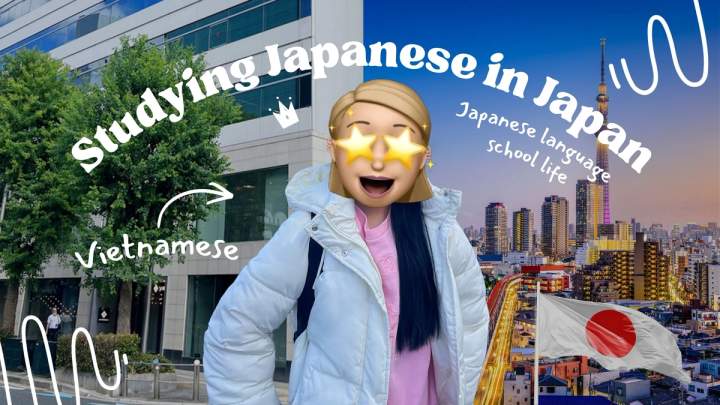
Meet Hien, a Vietnamese student who chose to study in Japan after starting Japanese at a language school back home. Hien didn’t begin with a complicated “master plan.” The first step was simple: learning Japanese in Vietnam, then using the school’s study abroad support to turn interest into a real move.
In this interview, Hien shares how the study abroad process started, what it felt like to arrive and study in Japan, why the language barrier still hits even if you’ve studied Japanese before, and how studying in Japan became a turning point for Japanese ability and future work plans.
1. What made you want to study in Japan, rather than your home country?

“I was already studying Japanese in a language school in Vietnam, and that became the main reason. Once you start learning Japanese seriously, you naturally want to experience the real environment. My school also had a study abroad agency, so it felt like the path was already there. I contacted them, asked for information, and that’s basically how my study abroad journey started.”
“For me, it wasn’t only about studying overseas. It was more like: if I want to improve Japanese properly, Japan is the best place to do it, because you’re surrounded by the language every day.”
2. How did you go about finding a place to study in Japan?
“I didn’t search alone from zero. The language school I studied at in Vietnam had a study abroad agency, and they provided guidance about schools in Japan. I contacted them to understand the process, what documents I needed, and what kind of Japanese schools would fit me.”
“So the ‘finding’ part was mainly through that support. They explained options, and I chose based on the school’s reputation and what kind of environment it had.”
3. How did you feel, once you had found a place to study?
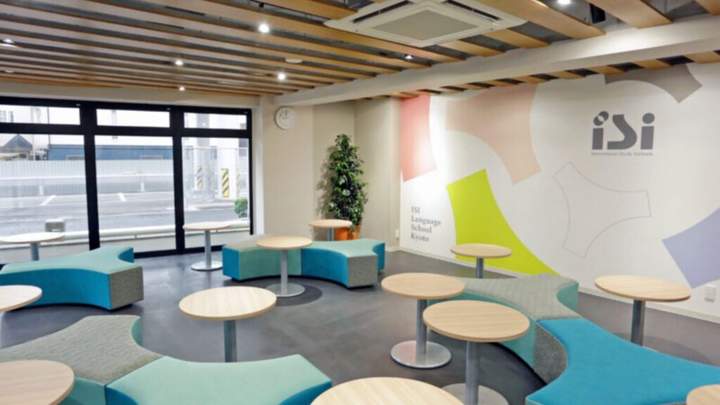
“I felt good and honestly relieved, because once you choose the school, the plan becomes real. The school I chose had a strong reputation for teaching Japanese well, so I felt confident about that.”
“I also liked that it had an international environment. Knowing I would meet people from different countries made me feel less nervous, because I wouldn’t be the only foreigner trying to adjust.”
4. What were difficulties you encountered? How did you overcome them?
“Language was the hardest part. Even though I had studied Japanese before coming to Japan, I still faced a language barrier. The biggest shock was how fast people speak in real life. Sometimes I couldn’t catch what they were saying, even if I knew the vocabulary.”
“It made me realize that textbook Japanese and real Japanese are very different. In Japan, people shorten words, speak quickly, and use natural expressions you don’t always learn at the beginning.”
“To overcome it, I had to keep listening and practicing. The more I stayed in the environment, the more my ears got used to the speed. It took time, but it slowly became easier.”
5. What were the best things about studying in Japan?
“The best thing for me was the education system in Japan. I feel like it’s really good, especially in a Japanese language school.”
“The teachers in my school were really nice and supportive. They answered my questions calmly, and they had patience even when I asked the same thing again. That made a big difference, because when you’re struggling with language, a supportive teacher can change your confidence.”
6. How did studying in Japan prepare you for your current life?
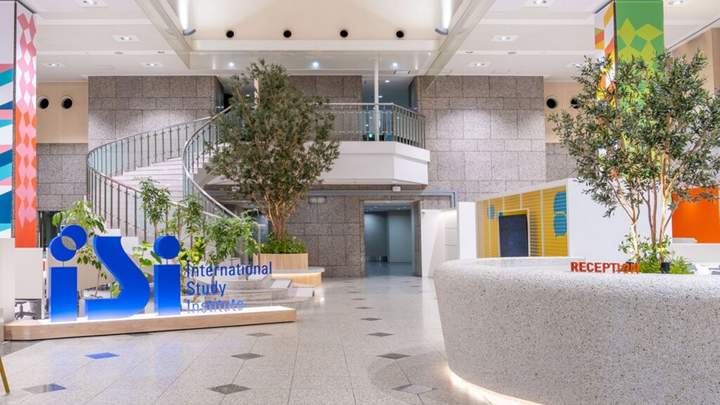
“My biggest achievement is that my Japanese improved a lot. That’s the biggest thing I got from studying here.”
“And for my future, it’s directly connected to work. I want to work in Japan, so improving Japanese here helps me get closer to that goal. It’s not only for daily life, it’s for career opportunities too. I feel like my Japanese growth here can help me find a better job in the future.”
7. What are some recommendations you would give to someone who wants to study in Japan? What do you think they should know?
“I think people should study more Japanese before coming, and also keep studying after coming, because it’s never enough. Even if you think you’re ready, once you arrive, you realize reality is different.”
“Japanese in real life is not the same as Japanese in textbooks. People speak fast, they use casual expressions, and sometimes even simple situations feel difficult at first. So the more Japanese you prepare, the smoother your start will be.”
8. What are some final thoughts you might have regarding the experience of studying in Japan?
“I don’t regret choosing Japan to study. It helped me grow not only hard skills, like Japanese ability, but also soft skills.”
“I became more confident, more adaptable, and more independent. Studying in Japan is not always easy, but that’s also why it’s meaningful. I feel like it really changed my level compared to studying only in Vietnam.”
Final thoughts
Hien’s story is a good reminder for anyone researching how to study abroad in Japan: the process can be straightforward if you use the right support system, like a study abroad agency connected to a language school. The real challenge starts after arrival, when you realize Japanese is faster and more natural than textbooks. But with supportive teachers and daily practice, the growth is real—and for Hien, it connects directly to the next goal: finding work in Japan.
Related JoynTokyo reads

Ultimate Guide to Driving in Japan
A driver spent a week cruising Hokkaido and called it the most relaxing road trip of his life. Another took a mountain route from Kusatsu to Kanazawa and described it as “like being dialled into an F1 race car.” Both were experienced drivers. Both were in Japan. Both are right. Honestly, driving in Japan is

Cash vs Card in Japan: What Should You Use in 2026?
People who went to Japan five years ago will tell you cash is king. People who went last month will tell you they barely touched a note. Both are telling the truth, they just had different trips. The honest answer for 2026 is this: Japan has changed significantly. Most major establishments in cities now accept
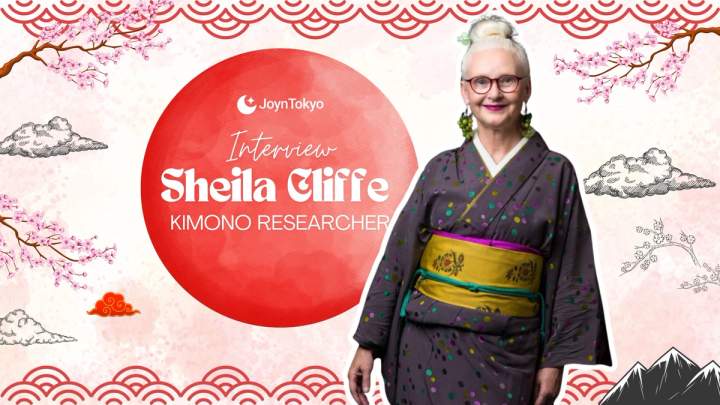
Sheila Cliffe on The Kimono Closet and the Stories Kimono Hold
Sheila Cliffe is a longtime kimono researcher and the author of Kimono Style. In her new book, The Kimono Closet, she looks beyond kimono as fashion or art objects and instead explores their deeper place in family life, memory, and identity. She spoke with JoynTokyo to give us an exclusive look at the new book,