
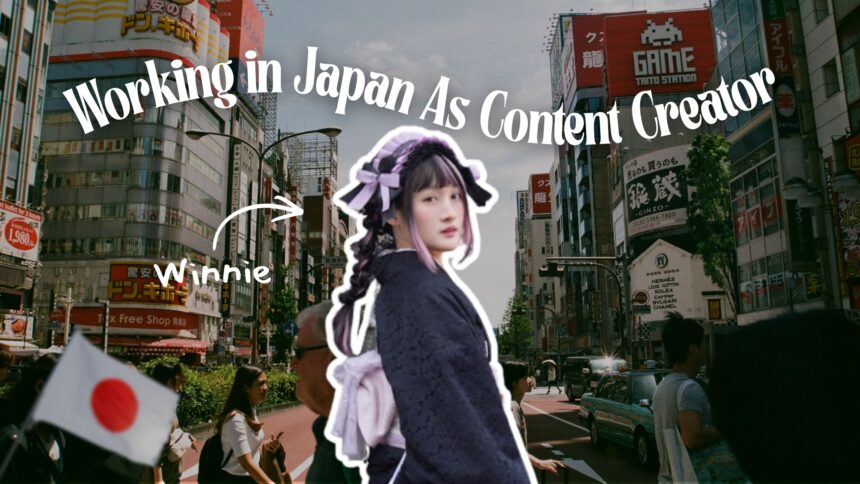

Meet Winnie, originally from China and now in Japan for her fourth year. After graduating from a university in Japan, Winnie decided to stay and experience real work life here instead of going straight back home. Today, Winnie works in social media and content creation, a role that blends international communication with creative fieldwork.
This interview is for anyone searching “work in Japan” or “jobs in Japan” and wondering what it actually looks like, especially as a foreigner. Winnie shares how the job hunt worked, what was hard about the process, what it’s like working in Japan without perfect Japanese, and practical ways to find job opportunities that people often overlook.
How Winnie Got a Job in Japan and What Work Life Really Looks Like

1. Can you introduce yourself?
“I’m from China, and I’ve been living in Japan for four years already.”
2. What is your current role in Japan, and what does a typical day look like?
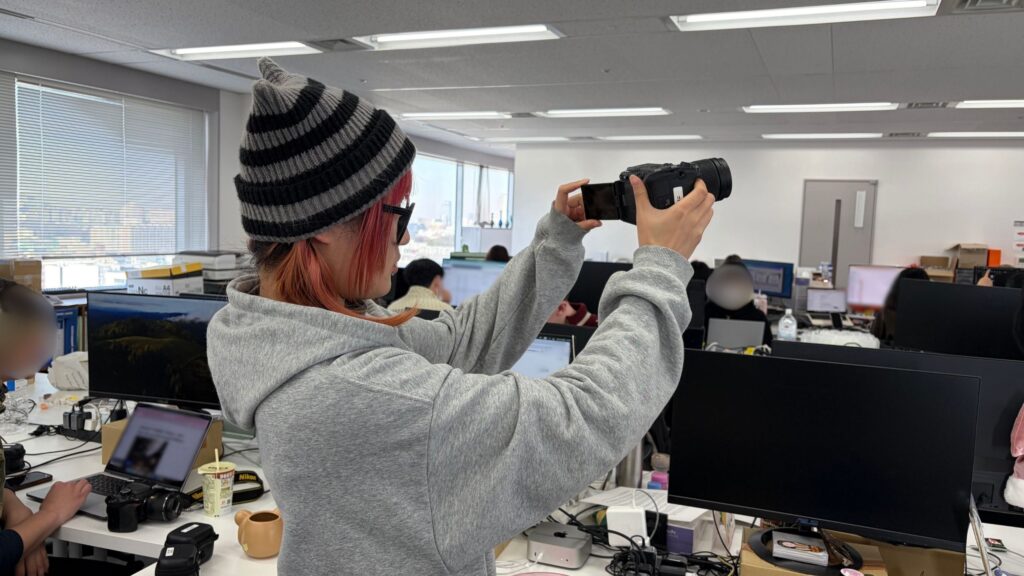
“I work in social media SNS, so my job is basically content creation. I create content with my team, and I also do video editing. Most days are 9 to 6, and a lot of the time it’s planning what to shoot, filming, editing, and making sure the content matches what we want to communicate.
Sometimes it’s not just desk work either. Depending on the project, I’ll actually go out to take videos in real places, like bars, including gay bars, to capture the atmosphere. So it’s a creative job, but it’s also very hands-on and you have to move around and be flexible.”
3. Why did you want to work in Japan instead of going back to your home country?
“Because I graduated here, I wanted to experience working life in Japan first. I didn’t want to study here and then immediately leave without seeing what it’s actually like to work in Japan as a foreigner.
I also don’t fully know yet if I will go back to my home country. So for now, staying and working felt like the best way to use what I learned and ‘output’ my study into real life. Working here also helps me build experience and understand Japan more deeply, not just as a student, but as an adult working in a Japanese environment.”
4. How did you find a job in Japan?
“I went through a lot of job hunting platforms, like Indeed. I found my company on Indeed by searching. I searched in English because I wanted to use English in my job, and also because I’m a foreigner. I also searched Chinese, but the Chinese one didn’t really work out. So I searched English, and the company I’m working appeared, and I applied and got the job I have now.”
5. What was the application and interview process like?
“Because I was a university student, I had to start one year before. In Japan, a lot of companies hire new graduates before they graduate, so students usually need to start job hunting early in their last year. I tried some Japanese companies first, but there were so many steps.
I had to prepare a lot, and I needed to do group meetings and multiple rounds. Before interviews, there were also company sessions you’re expected to attend, so the whole process felt long and tiring. Sometimes I didn’t even understand why the interviews had so many rounds, because they kept asking similar questions again and again, so it felt like you’re just repeating a format.
But for more international companies, it’s more simple and quick. The process feels more efficient, and it doesn’t drag on as much.”
6. What were the biggest difficulties in job hunting or starting work in Japan, and how did you overcome them?
“I think finding a job is hard because it’s hard to find the right information. Job websites are complicated, and it’s hard to sort out information and find what you want.”
“It was lucky that my school had a career center, so I went there and asked for information. But at the last, I still had to rely on myself to find the right company.”
“And when I started working, Keigo was really difficult for me. At first, I worked with Japanese coworkers, so I had to use Keigo carefully. I overcame it by practicing and prepare the lines I’m going to say beforehand. I’m still not good at Keigo, but I try my best.”
7. What have been the best parts about working in Japan so far?
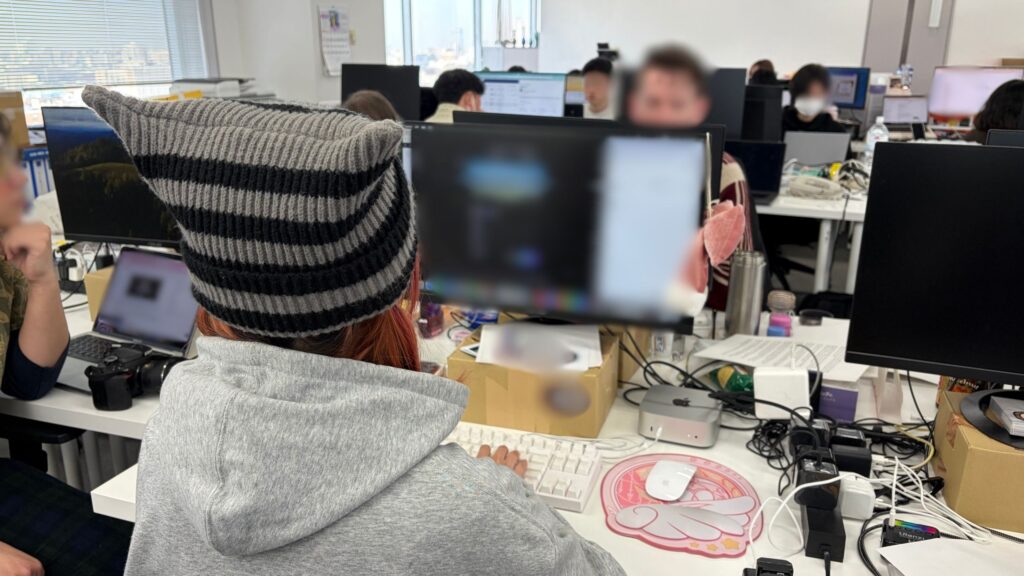
“The best thing is that I can use my languages. I can use Chinese and English because it’s an international company, and that really matters to me. I didn’t want a job where I could only use one language or where my background doesn’t help at all.
It feels good that being a foreigner is actually useful in this role, not just something I need to ‘overcome.’ And because the company is international, the communication style and the work environment feel more open compared to very traditional Japanese companies.”
8. How has working in Japan changed you personally or professionally?
“The work culture is quite similar to Chinese work culture. They want me to reply messages even on the weekend, so work-life balance is not really a dramatic thing. It’s the same in China.”
“I learned how to communicate in English and Japanese, like how to communicate with my coworkers and how to communicate with my leaders.”
9. What advice would you give to someone job hunting in Japan right now?
“My advice is you can search jobs on Instagram or on TikTok. Some companies will post recruitment on social media. It’s a nice way to see the company vibe. You can see the real working environment through stories or reels.”
Start Your Own Japan Journey With Expert Guidance
Just like the person you read about above, you can successfully move to Japan. Get personalized support for work, study, or life in Japan.
Book Your FREE Consultation✓500+ Bookings ✓ English-speaking Relocation Support Experts
10. Final thoughts on working in Japan?
“Overall, I’m really happy I found a job in Japan. It means I don’t have to rush back home, and I can stay in Japan with a visa and build my life here step by step. That’s a big relief after going through job hunting.
Also, I genuinely like that Japan has a lot of holidays. Compared to China, there are more national holidays, and it feels like almost every month there’s something. For me, that’s important because it gives me more chances to rest and reset. Working can be stressful anywhere, so having built-in breaks makes it easier to balance work and life.”
Read More