


Meet Long, a Vietnamese who has lived in Japan for around three years. After coming to Japan as a student and graduating here, he chose to stay and build a career in Tokyo’s fast-moving startup scene.
In this interview, Long shares what it’s really like to work in Japan, how found jobs in Japan as a foreigner, what felt surprisingly difficult about Japanese work culture, and what helped most when adapting to a Japanese office environment. If you’re searching for how to get a job in Japan or how to find a job in Japan, this is the kind of real story that makes the process feel clearer.
1. Can you introduce yourself?

“My name is Long, and I’ve lived in Japan for around three years so far. I came here first as a student, and after graduating I decided to stay and try working life in Tokyo.”
2. Could you tell me about your current role in Japan? What do you do, and what does a typical day look like?
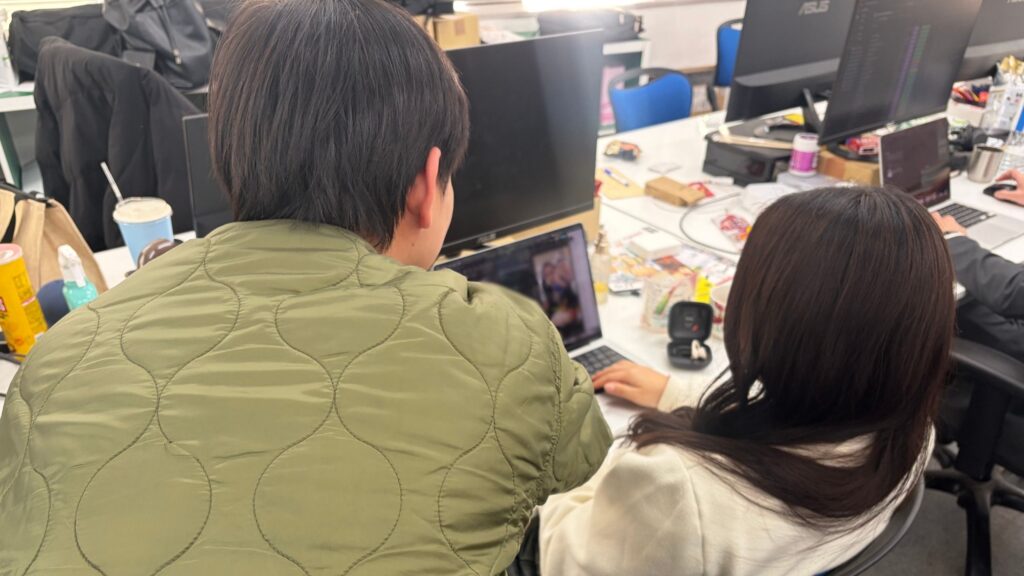
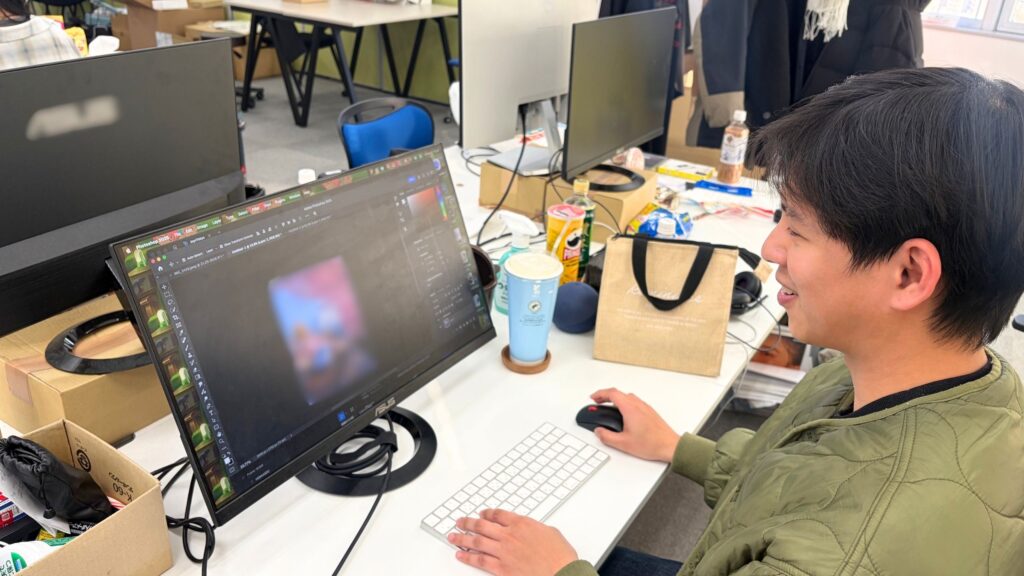
“Right now I’m working as a web designer at a startup marketing company based in Tokyo. My day usually starts around 9 and ends around 6. The main part of my job is website design, so I work on layout, wireframes, UX/UI, and how the website should look and feel for users.”
“But because it’s a startup, I’m not only doing web design. I also need to handle a lot of other design work, like creating posters, banners, and marketing materials. It’s busy, but at the same time, it helped me improve faster because I’m always learning something new and getting used to different types of projects.”
3. Why did you want to work in Japan specifically?
“I came to Japan as a student, and after graduation I felt like I wanted to use my language skills and challenge myself in an international working environment. I didn’t want my life in Japan to stop at the ‘student experience.’ I wanted to see what it actually feels like to build a career here.”
“I also know Tokyo is a competitive job market, but that’s part of why I wanted to try. I feel like if you can get a job in Tokyo, you can meet a lot of professionals and high-skill people, and you can grow quickly. So for me, it wasn’t just about staying in Japan, it was more like: if I’m already here, I want to take the chance seriously and see what I can achieve.”
4. How did you go about finding work in Japan?
“I found my current job through Indeed. I noticed that Indeed has more job opportunities that are friendly for foreigners, and you can find more international companies there compared to some other platforms.”
“I also tried Japanese job hunting websites, but for me it didn’t work well. A lot of Japanese platforms feel more designed for Japanese candidates, and sometimes the jobs require a very high level of Japanese or a very traditional hiring style. So after trying a few, I realized it was more realistic for me to focus on platforms where international roles show up more often.”
5. What was the application and interview process like for you?
“In my case, the interview process was much shorter than, because my company is an international startup. The process was more direct and focused on skills and fit, rather than going through many rounds.”
“I also saw the Japanese-style process when I was job hunting. In Japan, job hunting can be really tough, especially for Japanese companies. There are many steps and many rounds, and it takes a lot of energy. Also, one big thing is that Japanese companies often hire new graduates before they even graduate, so students usually start job hunting early, often from their third year. That system was really different for me, because it means the job search begins much earlier than people expect.”
6. What were the biggest difficulties you encountered? How did you overcome them?
“I think the biggest difficulty for me was adjusting to Japanese working culture. Japan tends to prefer people who can be generalists rather than specialists. They want someone who can handle many different things, adapt quickly, and understand the whole picture. That can be challenging because sometimes you don’t know exactly what to prioritize first, and the expectations can feel broad.”
“Another difficult part is communication style. In Japan, people care a lot about reading the atmosphere and maintaining harmony in the group. The focus is often more on the team than on the individual, so when you share an idea, you have to think carefully about timing and wording. If you speak too directly, it can be seen as breaking the group connection.”
“To overcome it, I tried to observe more, learn how people communicate, and adjust my style. I also started learning more Keigo敬語 and workplace Japanese.”
7. What have been the best things about working in Japan so far?
“The best thing for me is that my company is international, so I meet people from different backgrounds all the time. It’s real diversity, not just one culture. I can hear different perspectives and different ideas, and it helps me think in a wider way.”
“I also feel like I’m improving faster because of that environment. When you work with international people, you have to be clear, flexible, and open-minded. It’s not only about doing your job, but also about learning how to work with different styles and different ways of thinking.”
8. Do you think it easy to get a job in Japan without knowing Japanese?
“I would say it’s really hard to find a job in Japan without Japanese. Some people can do it, but usually it depends on the field. If you have strong skills in certain areas like IT or AI, it’s more possible because some companies prioritize skills more than language.”
“But for most jobs, Japanese still matters a lot. Even if your job is in English, daily life in Japan and communication inside the company still needs Japanese. So I think it’s possible in some cases, but overall, Japanese ability makes a huge difference.”
9. How has working in Japan changed you personally or professionally?
“I think working in Japan improved my communication skills a lot. In an international company, I use both English and Japanese, and I need to communicate effectively in both. It’s not just translating words, it’s learning how to explain things clearly.”
“I also learned that Japanese communication values simplicity and clarity. Japanese people really like when you can explain something in an easy-to-understand way. Instead of speaking too directly or too long, you need to summarize well and deliver your point efficiently. That’s something I’m still practicing, but I feel it helped me grow professionally.”
10. What should someone prepare if they want to work in Japan?
“I think learning Japanese is important, especially Keigo. The Japanese you learn from textbooks is totally different from the Japanese used in the office. Workplace Japanese is more about hierarchy, politeness, and subtle communication.”
“If you use Japanese inappropriately in a business setting, it can cause misunderstandings or awkward moments. So even if you’re not fluent, learning the basics of office Japanese and polite speech really helps you start smoother.”
Start Your Own Japan Journey With Expert Guidance
Just like the person you read about above, you can successfully move to Japan. Get personalized support for work, study, or life in Japan.
Book Your FREE Consultation✓500+ Bookings ✓ English-speaking Relocation Support Experts
11. Any final thoughts about working in Japan?
“Overall, working in Japan has been an amazing experience for me. It’s not always easy, but it gives you a lot of chances to grow. You meet people from different backgrounds, you learn new ways of thinking, and you get to use your skills in a very international environment.”
“I also feel like working in Japan pushes you to become more adaptable. You can’t just rely on one skill. You need to learn how to communicate better, how to work with different expectations, and how to survive in a competitive market. And even though it’s challenging, I think it’s the kind of experience that stays with you and makes you stronger for your future career.”
Read More