
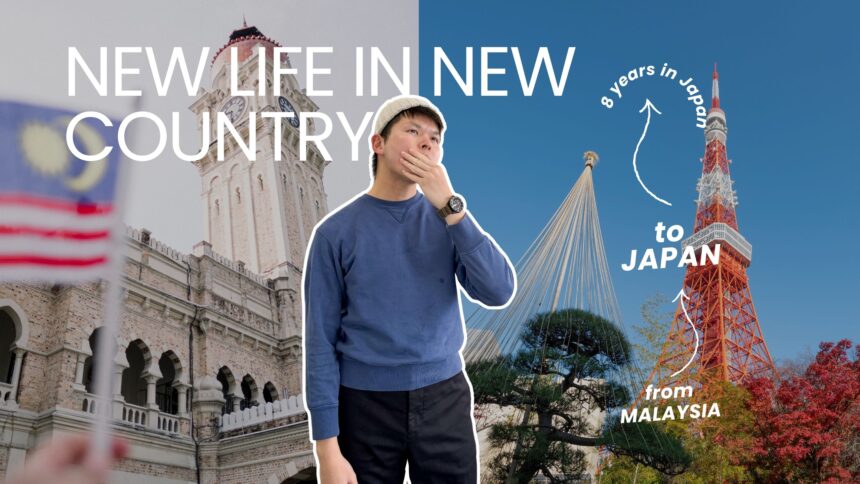

Meet Vincent, originally from Malaysia, who came to Japan about eight years ago. He arrived in Japan at a young age, studied Japanese and later mechanical engineering at university. Japan first stood out to him for the people and pop culture like anime, but what made it feel like a long-term home was the community he built here.
In this interview, Vince shares his two-phase moving story: the early period when an agency handled the process and made housing much easier, and the later reality of renting independently in Tokyo, when landlord hesitation, peak-season speed, and strict move-out rules became very real. Along the way, he explains why Japanese ability, local connections, and reading contracts carefully can make all the difference.
Read More
Interview

1. Where are you from, and what did you study?
I’m from Malaysia. I came to Japan about eight years ago. I studied Japanese, and then I also studied mechanical engineering in university. Looking back, that mix shaped life here in a practical way. Learning Japanese helped with daily life from the start, and studying engineering gave a longer-term direction, once the “new country” phase settled down.
2. Why did you move to Japan, and why did you stay?
I came here because I like the culture, including pop culture, but I also love the people. When I came here, I was quite young. Now, I want to stay here because of the community I’ve joined. At first it was about interest and excitement, but staying became about belonging. Now that Japan is not a temporary experience and starts feeling like a real home for me.
3. What was your first move to Japan like?

I contact real estate agency at the time to study Japanese. So I basically followed their process, they already planned everything for me. They had a connection with the owner in Japan, so I was able to secure the apartment unit easier: I’ve heard that’s a harder process if you come alone. The first move felt smooth because it wasn’t built from scratch. The agency asked for passport details and handled the necessary steps, and housing was arranged through their network. First month was around no more than ¥70,000. After about six months, a dorm spot opened up and I moved in, staying there for about a year.
The first move felt easy because someone else already had a system.
4. What was it like finding an apartment by yourself in Tokyo?
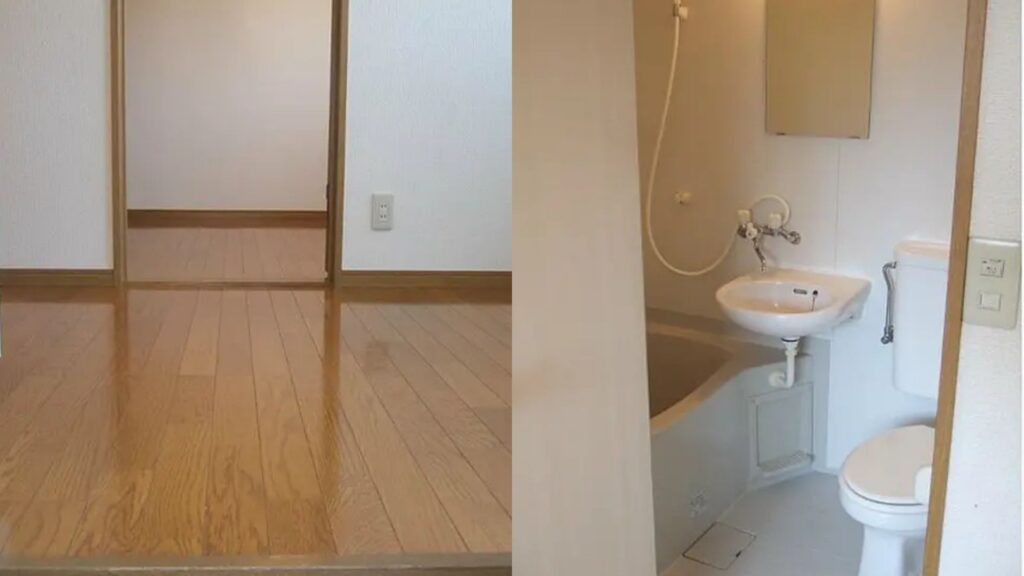
After I got into university, I decided I wanted to get out of the dorm. That’s when the rental process became the challenging part: at the time, owners were cautious about foreigners, and language was often the first filter. Owners are very skeptical… they always ask one question, which is: can you speak Japanese? Fortunately, I could speak Japanese. As a result, I went to a Japanese real estate agency, and the process felt faster. I also noticed that if translation support wasn’t needed, upfront costs could be cheaper. Even then, it took me about three months to find a place I wanted to live in. Timing made it harder because it was peak season, listings disappeared quickly, and if you don’t take it on the spot — I mean, a window of three days at most — it’s gone.
5. What was the biggest “shock” about renting in Japan?
For me, the biggest shock was move-out rules and how strict inspections can be. When you leave a mark… “this is a small red dot”… “here’s a dent”… it counts. Small things that feel normal can turn into fees later, and the move-out stage is where people get surprised. Utilities and internet weren’t as stressful for me because things became more online, and later I moved within the same district, so the procedures felt simpler.
6. Did anything go better than you expected?
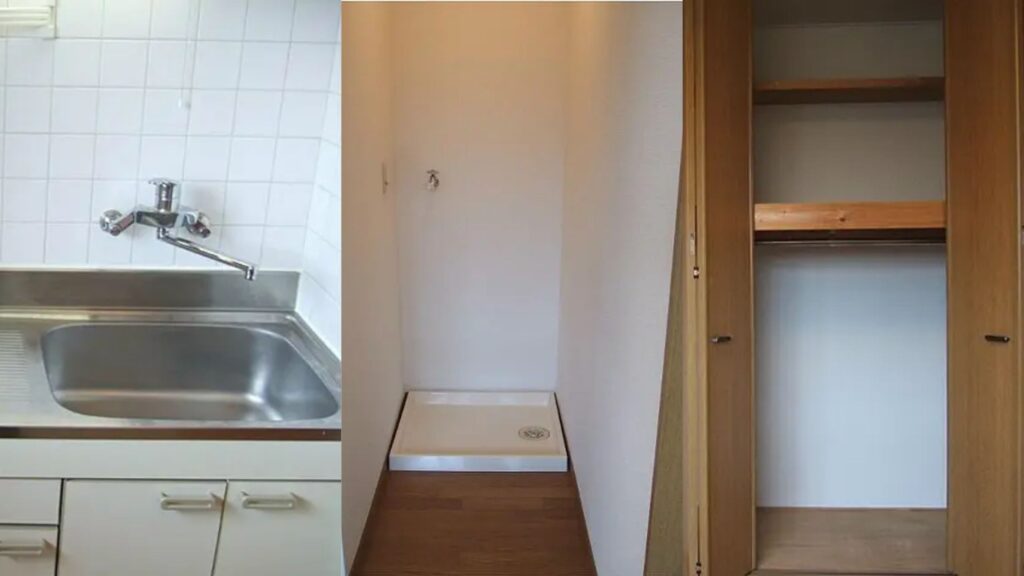
Yes. I learned that even in popular areas, good deals exist if you’re patient and lucky. Right now I live in Shimokitazawa, and I found a rare place that’s clean and spacious, with rent lower than what people usually expect there. It only costs around 76,000 yen. For that neighborhood, it honestly felt like a win.
7. What advice would you give to someone moving to Japan like you did?
Learn Japanese. Your fastest ticket is to learn Japanese not from a textbook, but from the people. Japanese makes everything easier, apartment searching, contracts, and building connections. I’d also say read the contract properly, especially the move-out part, because that’s where the hidden rules are. The contract is so difficult: the most crucial thing I personally experienced is when you leave. And honestly, I don’t expect the deposit back, and you should expect your deposit won’t come back. So it’s better to assume move-out may cost more than expected, take care of the place as much as possible, and if management calls about fees later, don’t ignore it. If they do, pick up.
Start Your Own Japan Journey With Expert Guidance
Just like the person you read about above, you can successfully move to Japan. Get personalized support for work, study, or life in Japan.
Book Your FREE Consultation✓500+ Bookings ✓ English-speaking Relocation Support Experts
Final thoughts
Vincent’s move shows two realities: starting in Japan is much easier when an agency guides you, and renting alone later is where you truly learn how Tokyo housing works. For long-term life here, the biggest advantages are simple: Japanese ability, a local community, and knowing that move-out rules can cost more than you expect.
Read More