


Meet Ang, originally from Canada, who has been living in Japan for about a year and a half. Ang works at a Tokyo startup as a developer, supporting services and content that help foreigners come to Japan.
This work interview is for anyone searching work in Japan, jobs in Japan, how to find a job in Japan, or wondering what it’s like to build a career here without being in a traditional Japanese company.
How Ang Found Jobs in Japan and What Working in Tokyo Is Really Like
1. Can you introduce yourself?
“My name is Ang. I’m from Canada. I’ve lived in Japan for a year and a half now.”
2. What do you do in Japan, and what does a typical day look like?
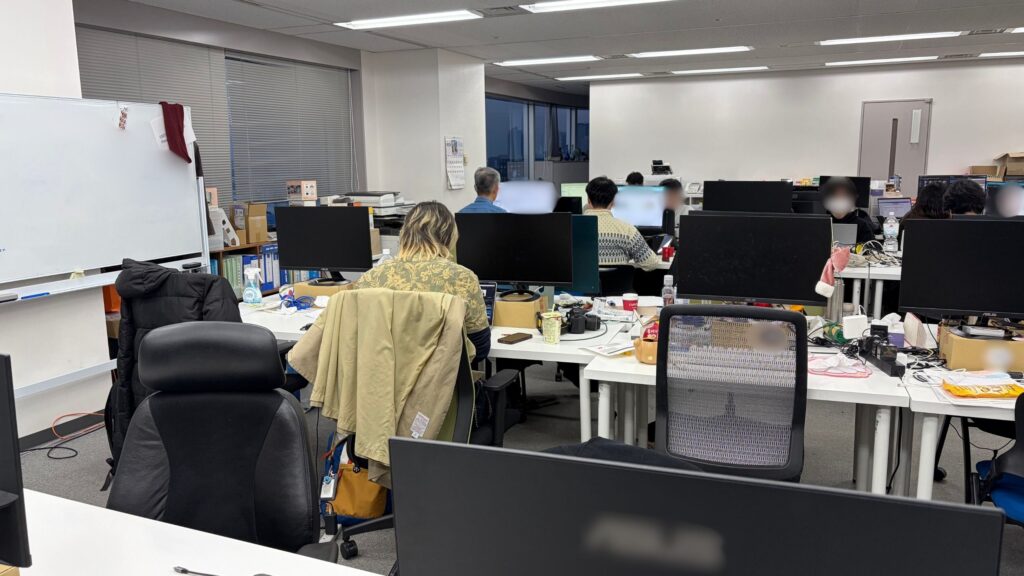
“Currently, I work as a developer, and partly as an SEO specialist, for a startup company based in Tokyo. We help foreigners come to Japan in various ways.”
“It’s a startup, so there’s no set structure for my day-to-day, which can be stressful sometimes, but it also keeps things interesting. My main tasks usually involve improving or building new features, doing some client-related work, and supporting the business growth side too.”
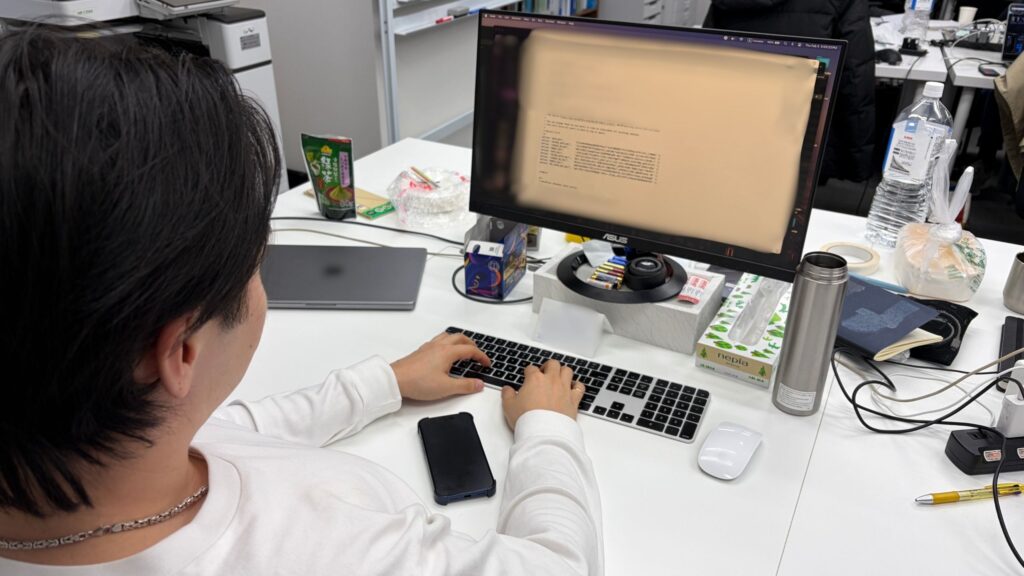
“A normal day can include writing or editing SEO articles for traffic, checking analytics to see what’s performing, and making changes based on that. On the dev side, it might be fixing bugs, shipping small improvements, or testing new functionality. It’s not the kind of job where you do the exact same thing every day, it changes depending on what the team needs most.”
3. Why did you want to work in Japan?
“I was fascinated by the image of living in Japan, so my initial motivation was to learn Japanese. What started as simple curiosity gradually became a real goal as I spent more time studying the language and learning about the culture. During my studies, I wanted to work here not only to support myself financially, but also to immerse myself in daily life, challenge myself in a new environment, and gain practical experience that would help me grow both professionally and personally.”
4. How did you find a job in Japan?
“The job I have currently, I initially applied through Indeed. I heard Indeed was popular in Japan, so I tried it. I also tried LinkedIn, but that was more toward networking and recruiters.”
“I wasn’t applying everywhere randomly, though. I was focused on roles that felt realistic for a foreigner and also matched what I could actually do. Indeed was the main place where things moved forward, like actual responses and real interviews. LinkedIn felt more useful for connections, but not as direct for landing the job.”
5. What was the application and interview process like? Anything that surprised you?
“One thing that really surprised me was the resume style in Japan. When you apply for jobs here, you often need to prepare two different documents. One is the Rirekisho (履歴書), which is more like your basic profile and general information. The other is the Shokumu-keirekisho (職務経歴書), which goes deeper into your work history and experience.”
“In Canada, I was used to just having one resume, so needing two felt a bit confusing. It also takes more time and effort, because you’re basically writing your background twice, just in different formats.”
6. What were the hardest parts of job hunting or starting work in Japan?
“Honestly, it wasn’t too much of a challenge, it’s just something you have to get used to. I would say Japanese work culture is very set on devotion to the company, like overtime. That takes quite a bit of time to get used to.”
“It’s a different mindset compared to the West. Over there, you’re not fully devoted to your company.”
7. What have been the best things about working in Japan so far?
“Best thing… lunchtime. But it’s also the convenience aspect. If you work in the middle of Tokyo, it’s nice because during lunch or after work you can go eat delicious food.”
“You can take a short train ride after work to a totally different vibe. In Canada, you need to drive and you’re stuck in traffic.”
8. How has working in Japan changed you?
“Overall, it went by super fast. I did learn a lot, like in my field, and cultural aspects, and how to team collaborate.”
“I think the biggest change is that I’ve gotten used to working in an environment where you have to adapt quickly. Startup work forces you to learn on the go, communicate clearly, and figure things out even when there isn’t a perfect process. That kind of experience builds confidence, because you’re constantly solving new problems.”
“And on the Japan side, working here also teaches you how to read the room more. Even when the work itself is global or modern, you still feel the Japanese influence in teamwork, politeness, and expectations. It makes you more aware of how you come across and how you work with people from different backgrounds.”
9. Do you think it is easy to get a job in Japan without knowing Japanese?
“That’s a tough question. It depends on the field. If you’re doing translation, you can’t get the job without Japanese. And if your job requires talking to people, you need some level of Japanese, ideally N2 or higher.”
“But if you’re going into IT, then you could get by with N4 or N3. Especially with startups that are specifically looking for foreigners.”
“It’s more likely if you’re located in Japan. If you’re applying overseas, then the chances become less.”
10. What should people prepare if they want to work in Japan?
“Learn Japanese. Not just to pass JLPT, but learn how to speak it. It’s completely different.”
“Even if your job is mostly English, Japanese makes daily life way easier, and it affects work too. Being able to speak helps you build trust faster, understand small details, and not feel lost in meetings or office chat.”
“And prepare your rirekisho. Japan still uses that format a lot, especially when visas or more traditional hiring steps are involved. So having that ready, plus your regular resume, helps you move faster when you find an opportunity.”
Start Your Own Japan Journey With Expert Guidance
Just like the person you read about above, you can successfully move to Japan. Get personalized support for work, study, or life in Japan.
Book Your FREE Consultation✓500+ Bookings ✓ English-speaking Relocation Support Experts
11. Final thoughts on working in Japan?
“Overall, working in Japan has been a really valuable experience for me. Time went by super fast, and I feel like I learned a lot not just in my actual job skills, but also in how people work together here and what’s expected in a Japanese environment.”
“I also realized the company you choose matters a lot. I think I’m lucky that I’m in a startup, because it feels more flexible and more focused on results. If I were in a very traditional Japanese company where overtime is expected and the culture is more rigid, I honestly think I would enjoy it much less.”
Read More