
Business Japanese for Work in Japan: Essential Keigo and Workplace Phrases for Foreign Professionals
Japanese business culture is built on respect, clarity, and professionalism. For foreigners working in Japan, mastering business Japanese goes beyond grammar: it requires understanding keigo (honorific speech), communication etiquette, and cultural expectations. This guide covers the essential aspects of business Japanese, from basic structures to advanced workplace expressions. Basics of Business Japanese Business Japanese is
Japanese business culture is built on respect, clarity, and professionalism. For foreigners working in Japan, mastering business Japanese goes beyond grammar: it requires understanding keigo (honorific speech), communication etiquette, and cultural expectations. This guide covers the essential aspects of business Japanese, from basic structures to advanced workplace expressions.
Basics of Business Japanese
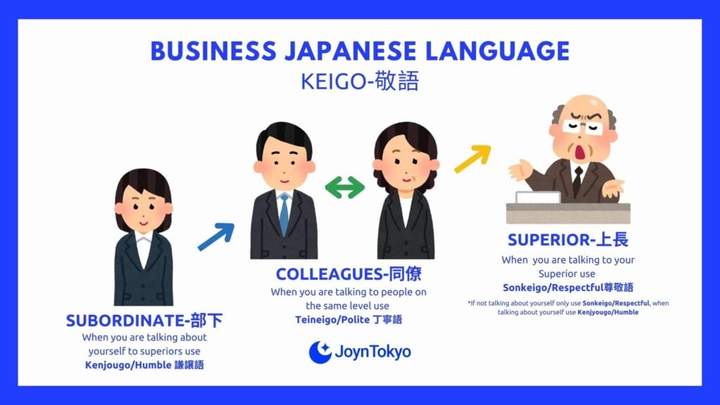
Business Japanese is different from casual Japanese in both tone and formality. While casual speech uses plain forms, business interactions rely heavily on keigo, the system of honorifics that includes sonkeigo (respectful language), kenjougo (humble language), and teineigo (polite language). Using the correct style signals professionalism and respect.
For example, instead of saying arigatou (“thanks”), business Japanese would use arigatou gozaimasu, or even makoto ni arigatou gozaimasu, depending on the formality. Mastery of these nuances shows both linguistic and cultural fluency.
Sonkeigo – Respectful Language
Sonkeigo is used to show respect when talking about the actions or status of someone above you, such as a manager, client, teacher, or customer. Instead of describing what you are doing, sonkeigo elevates the other person by changing the verb or expression used.
It is commonly used in professional and formal settings, especially in business environments where hierarchy and politeness matter. You will hear and use sonkeigo in client meetings, when referring to a superior’s actions, during presentations, and in formal emails or written correspondence.
Using sonkeigo correctly signals awareness of social roles and professionalism. Even simple interactions, like explaining a client’s request or acknowledging a manager’s schedule, often require it. While mistakes are generally forgiven for non native speakers, consistent and appropriate use helps build trust and leaves a strong impression.
When to use: Meetings with clients, speaking to managers, or writing formal correspondence.
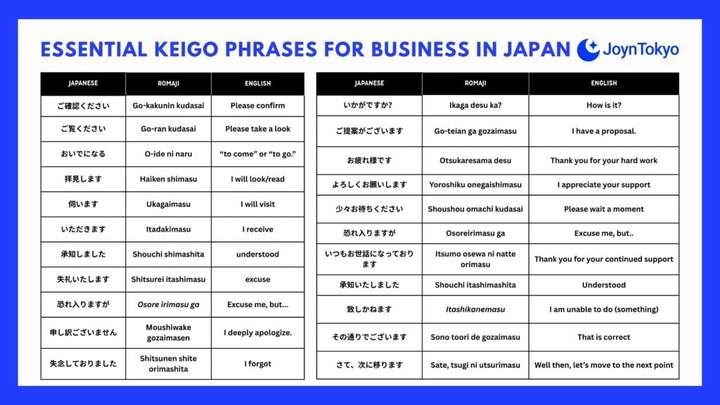
1. Go kakunin kudasai – ご確認ください
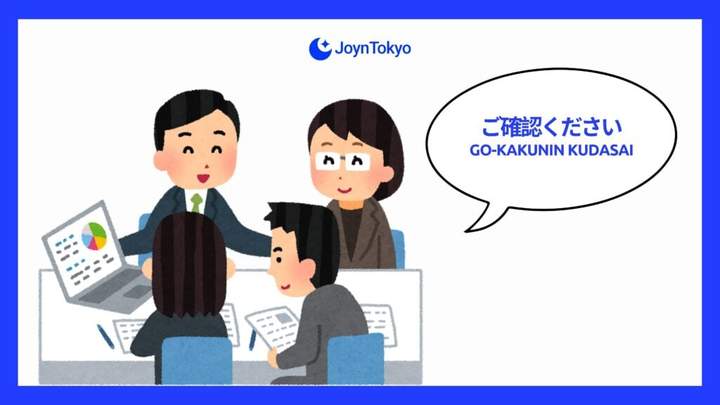
A respectful way of saying “Please confirm” or “Please check.” Commonly used in emails and meetings when asking clients or superiors to review documents or information.
2. Go ran kudasai – ご覧ください
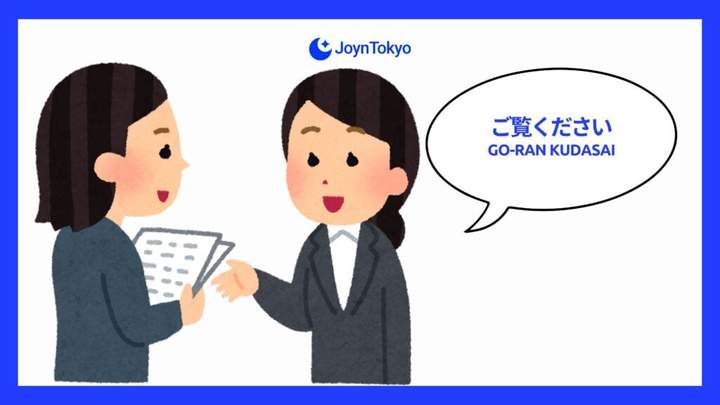
Polite way to say “Please look” or “Please take a look.” Used when directing a superior or client to view documents, slides, or products.
3. Oide ni naru – おいでになる
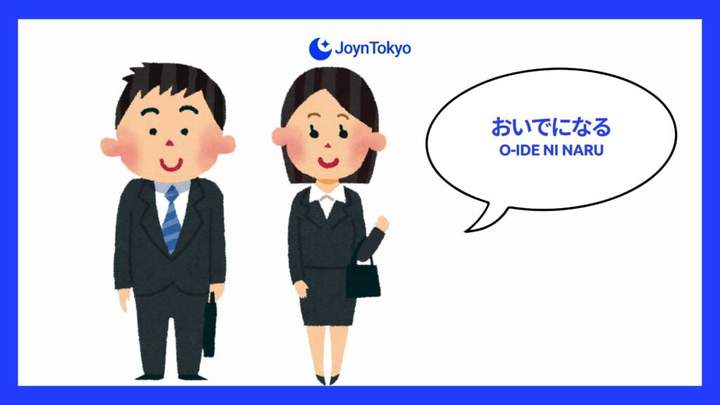
A respectful sonkeigo expression meaning “to come” or “to go.” It is used when referring to the movements of superiors, clients, or respected individuals. Using o-ide ni naru elevates the subject’s action, showing honor and respect, and is common in formal speech, announcements, and meetings.
Kenjougo – Humble Language
Kenjougo is used to lower yourself, your actions, or those of your group in order to show respect to the other person in the conversation. Instead of elevating the listener, kenjougo works by making your role sound more modest, which helps maintain balance and politeness in formal interactions.
It is most commonly used in business settings, customer service, and formal communication, especially when speaking to clients, superiors, or people outside your company. You will often use kenjougo when explaining what you have done, what your team is doing, or how your company will respond to a request.
Correct use of kenjougo shows humility and social awareness. It helps avoid sounding arrogant or overly direct, which is important in Japanese professional culture. While it takes time to master, even basic use goes a long way in making conversations feel smoother and more respectful.
When to use: Introductions, negotiations, or when presenting your own actions to clients.
1. Haiken shimasu – 拝見します
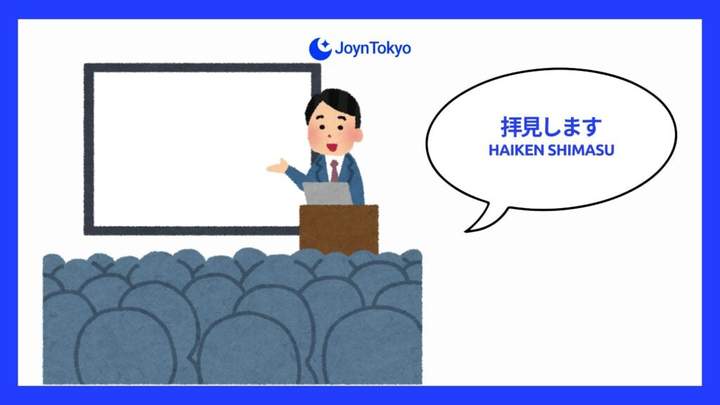
A humble way to say “I will look/read.” It lowers yourself while raising the status of the other person’s materials.
2. Ukagaimasu – 伺います
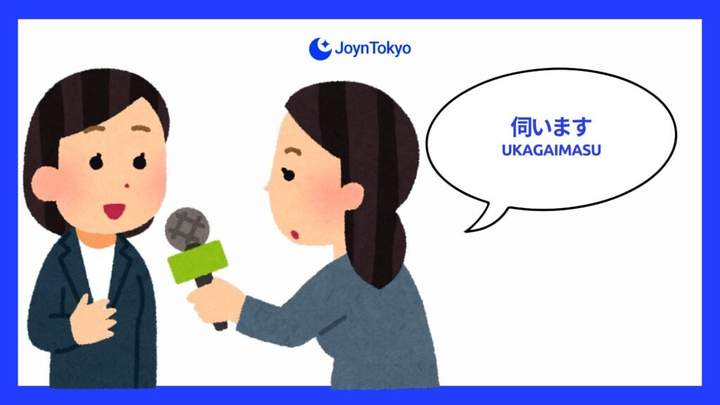
Humble way to say “I will visit” or “I will ask.” Often used when arranging meetings or showing respect for another’s schedule.
3. Itadakimasu – いただきます
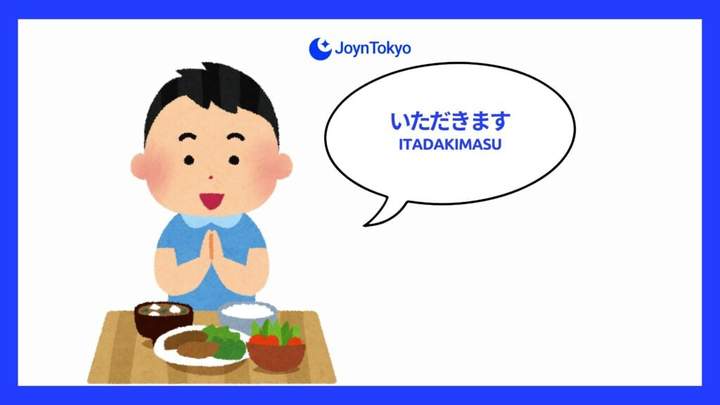
A humble expression meaning “I receive” or “I accept.” In business Japanese, it is used in kenjougo when receiving something from a superior, client, or customer, showing gratitude and humility. Outside business, it is also commonly said before meals to show thanks for the food.
Teineigo – Polite Language
Teineigo is the polite and neutral form of Japanese used as the baseline in most professional and public interactions. It relies on standard polite verb endings and expressions that make speech sound respectful without emphasizing hierarchy.
This form is widely used in everyday business conversations, workplace discussions, customer interactions, and situations where you are speaking with someone you do not know well. It is also common in emails, announcements, and routine meetings where a formal but balanced tone is appropriate.
Teineigo is often the first level of polite Japanese that learners become comfortable with, and it serves as the foundation for both sonkeigo and kenjougo. Using it consistently helps conversations feel professional and courteous, even when more complex honorific language is not required.
Role: Everyday workplace communication, phone calls, and internal interactions.
1. Shouchi shimashita – 承知しました
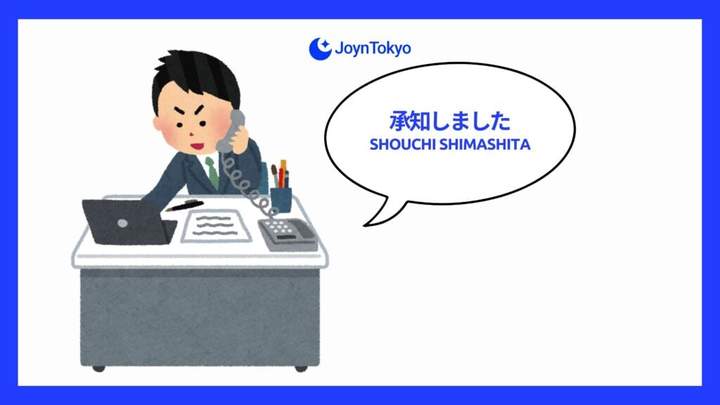
Formal way of saying “understood.” Used to confirm instructions politely in workplace interactions.
2. Shitsurei itashimasu – 失礼いたします
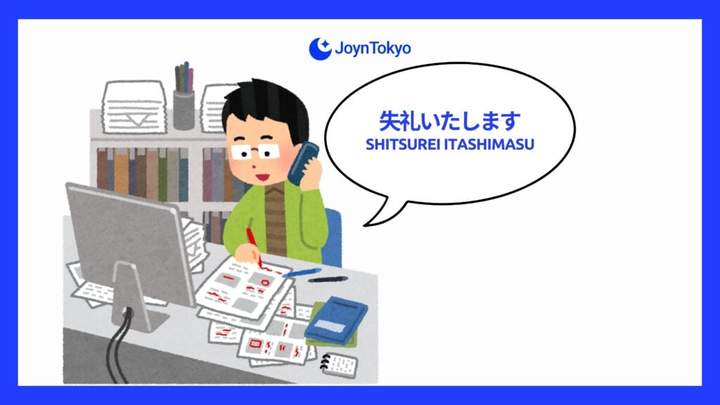
Polite way to excuse yourself when entering or leaving, or to soften interruptions.
3. Osore irimasu ga – 恐れ入りますが
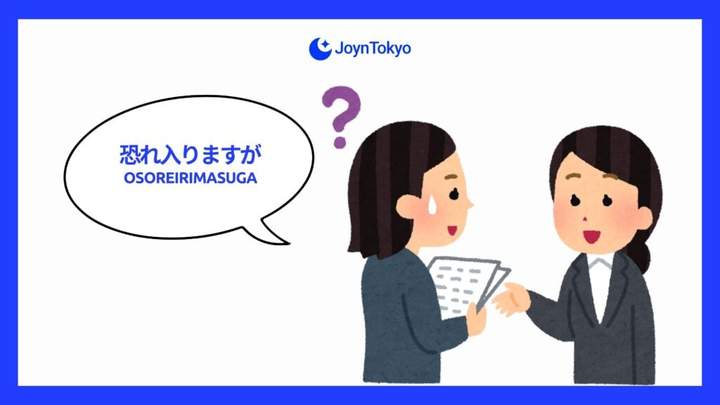
Very polite phrase meaning “Excuse me, but…” Used when making polite interruptions or requests.
How to Write a Business Japanese Email
Writing emails in Japanese business settings follows a strict structure. Unlike casual messages, these emails must balance clarity, formality, and cultural expectations. A professional email usually has three parts:
- Opening greeting (冒頭の挨拶) – acknowledges the relationship and expresses gratitude.
- Main body (本文) – delivers the request, information, or response in a clear and concise manner.
- Closing remark (結びの挨拶) – ends politely, often with a request for future cooperation.
Common greetings and sign-offs:
- Itsumo osewa ni natte orimasu / いつもお世話になっております (Hello, Thanks for always)
- Totsuzen no gorenraku shitsurei shimasu / 突然のご連絡失礼します (Sorry for the sudden email)
Phrases for requests and confirmations:
- Gokakunin itadake masu deshoka / ご確認いただけますでしょうか (Could you please check?)
- Gokento no hodo yoroshiku onegai itashimasu / ご検討の程よろしくお願い致します (Looking forward for you to check and confirm)
How to Apologize in Business Japanese
In professional settings, apologies are used not only for mistakes, but also for delays, misunderstandings, inconvenience, or even situations outside your direct control. The language chosen often depends on the seriousness of the situation and the relationship involved, with more formal expressions used for clients, superiors, or external partners.
A well delivered apology can help maintain trust and smooth relationships, sometimes even preventing issues from escalating.
1. Moushiwake gozaimasen – 申し訳ございません
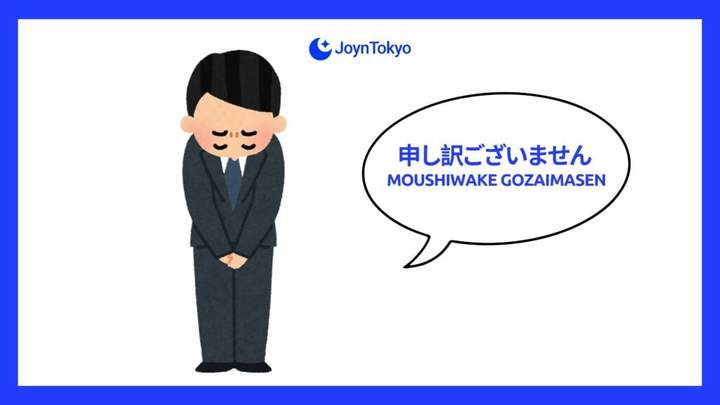
Very formal apology meaning “I deeply apologize.” Stronger than sumimasen. Used when addressing clients, customers, or superiors. Only used in super formal settings and it can sound weird if you apologize this way among close friends or family.
2. Shitsunen shite orimashita – 失念しておりました
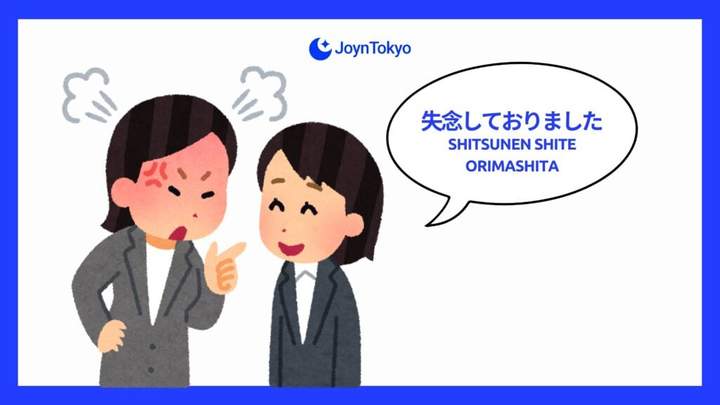
A very polite and formal way of saying “I forgot” or “It slipped my mind.” Unlike simply saying wasuremashita, this phrase softens the impact and shows humility. Commonly used in business emails, meetings, or apologies to clients, superiors, or colleagues when acknowledging an oversight. It conveys regret while maintaining professionalism. Usually, the apology comes together with this phrase just like it is mentioned in the examples.
Top Business Japanese Phrases You’ll Use Daily
Greetings, confirmations, and polite connector phrases form the backbone of daily business communication in Japan. These expressions are used repeatedly in emails, phone calls, meetings, and casual workplace interactions, often more for tone and relationship building than literal meaning.
Mastering them helps conversations flow smoothly, signals professionalism, and shows cultural awareness, even if your grammar is not perfect. Because many of these phrases are set expressions, learning when and how they are used is just as important as understanding what they translate to.
1. Otsukaresama desu – お疲れ様です
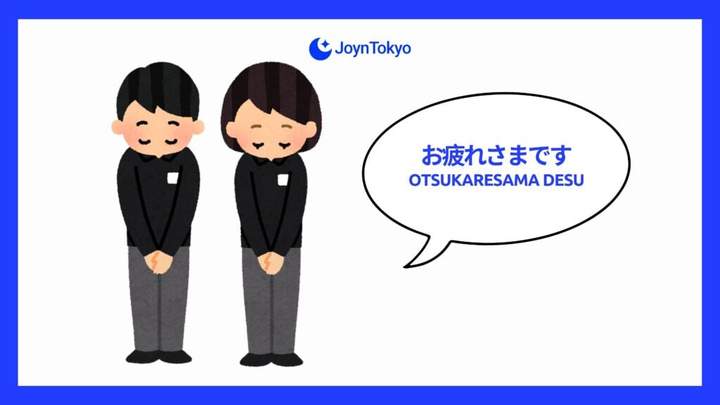
Expression of appreciation for someone’s effort, often used throughout or at the end of the workday. Appropriate for colleagues, subordinates, and sometimes managers. This a key phrase used when you show the other workers that you are leaving the office and going back home. Also, it is often mixed up with the phrase “gokurousama desu” which carries similar definition but make sure to understand properly on who you should use these terms. It is commonly understand as a casual appreciation or more of a boss hyping up their workers which must not be used by the employee towards their employer.
2. Yoroshiku onegaishimasu – よろしくお願いします
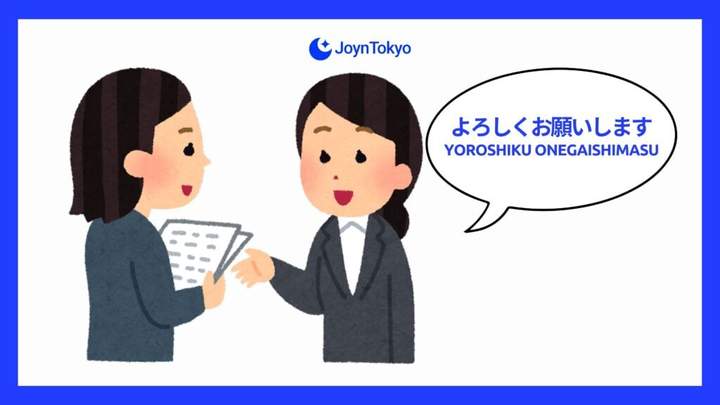
Polite request meaning “I appreciate your support” or “Please take care of this.” Used when asking for cooperation, at the end of requests, or closing communication. Appropriate for colleagues, managers, and clients.
3. Shoushou omachi kudasai -少々お待ちください
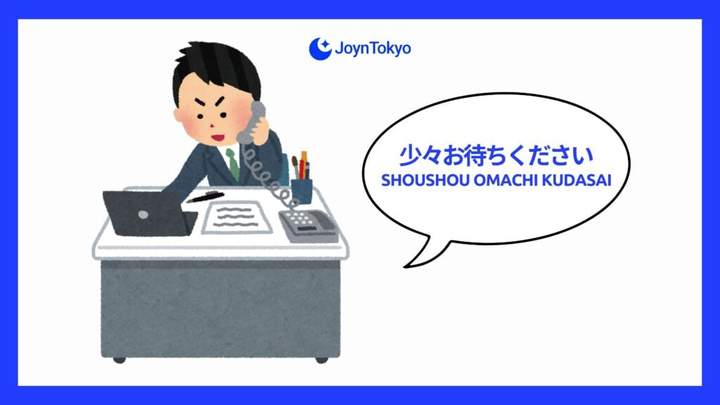
Polite request meaning “Please wait a moment.” Often used in customer service or when asking someone to hold on. Appropriate for clients, superiors, or anyone in formal settings.
4. Osoreirimasu ga – 恐れ入りますが
Polite phrase meaning “Excuse me, but…” Used when making polite interruptions or requests, especially toward clients or superiors. Especially, being humble is highly evaluated in Japan, so this is a very useful and effective phrase to remember in order to succeed in business there.
5. Itsumo osewa ni natte orimasu – いつもお世話になっております
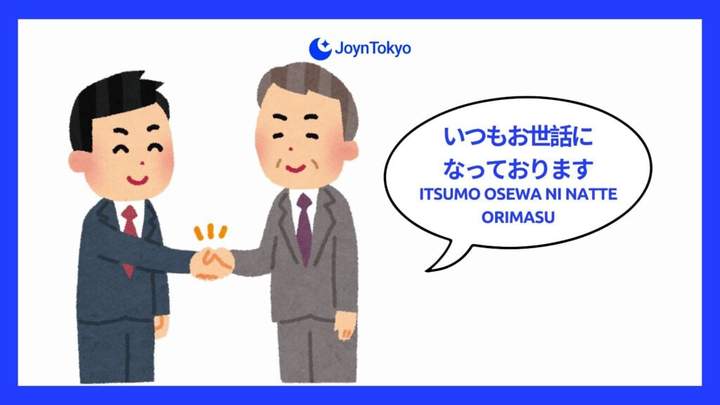
Polite greeting often used in business emails or calls, meaning, “Thank you for your continued support.” Typically used toward clients, business partners, or superiors. It is almost a set phrase in business correspondence, regardless of whether direct support was recently given and is more like a cliche instead of saying that with the actual meaning.
6. Shouchi itashimashita – 承知いたしました
A very polite way to say “Understood” or “I acknowledge.” It is humble language (kenjougo) and commonly used in business settings when receiving instructions, requests, or confirmation from clients, superiors, or business partners. It shows respect and professionalism, especially in formal conversations and emails. This phrase certainly is used in verbal communication, but it is more likely to be used in phone calls or email. “Shouchi shimashita”, which is the exact same meaning but just slightly less polite, is more commonly used in daily business conversations.
7. Itashikanemasu – 致しかねます
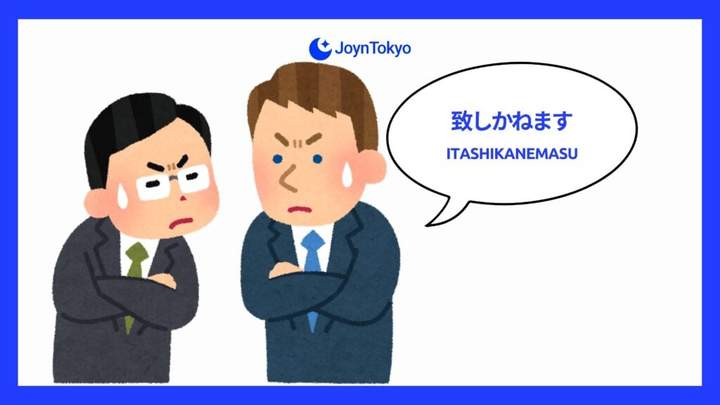
A very polite and formal way of saying “I am unable to do (something).” It is humble language (kenjougo) used when politely declining a request in business contexts. Commonly used in emails, letters, or formal conversations with clients, customers, or superiors. It softens refusal by showing respect and avoiding direct rejection.
8. Ikaga desu ka? – いかがですか?
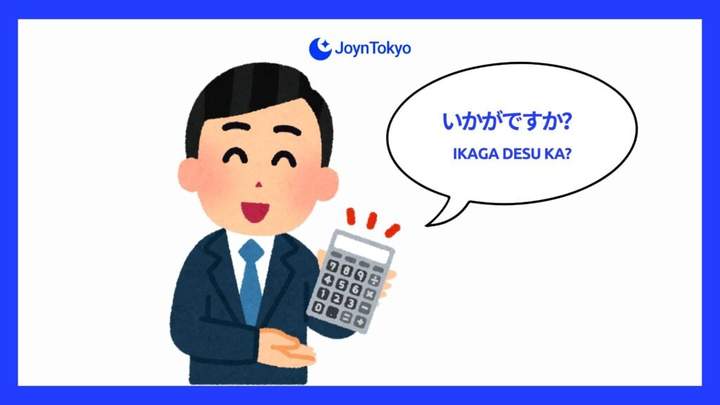
A polite way of asking “How is it?” or “Would you like…?” Often used when offering something, confirming understanding, or asking for an opinion. It is more formal than dou desu ka? and is suitable for conversations with clients, customers, or superiors in business settings. If you want to be more formal, you can go with “ikaga deshou ka?” which is the same meaning but with more politeness.
These set expressions appear in emails, phone calls, and meetings, and mastering them ensures smoother communication in the workplace.
Business Japanese for Meetings and Negotiations
Meetings require clear and respectful phrasing. Below are key expressions used to present ideas, agree or disagree politely, and manage transitions during discussions.
1. Go-teian ga gozaimasu – ご提案がございます
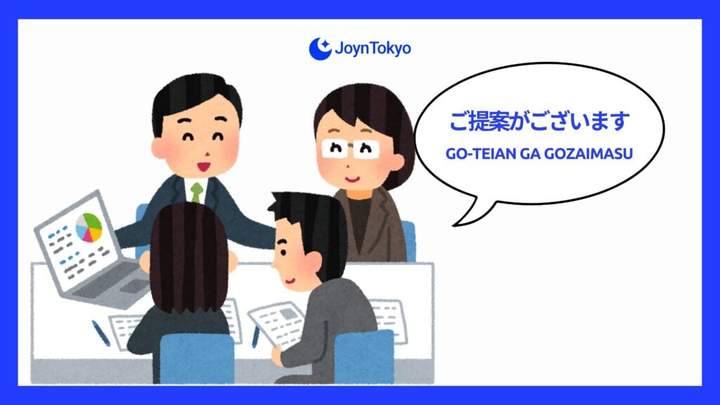
A polite way to say “I have a proposal.” This phrase is commonly used when introducing new ideas or suggestions in meetings. It frames your input as respectful and formal, suitable for both internal and client-facing discussions.
2. Sono toori de gozaimasu – その通りでございます
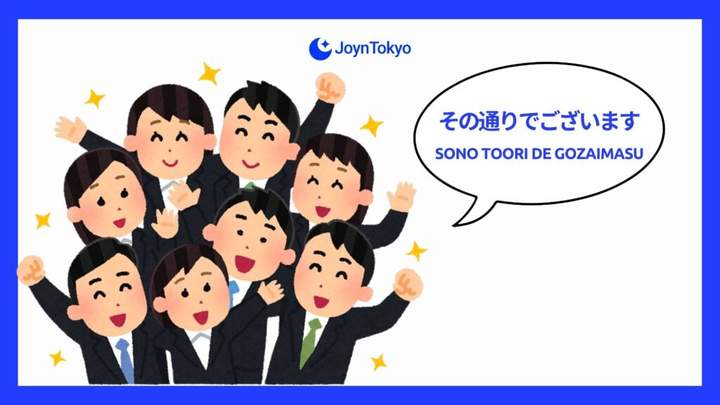
A very polite way to express agreement, meaning “That is correct.” It acknowledges another person’s statement respectfully and is useful in formal meetings, especially when responding to superiors or clients.
3. さて、次に移ります (Sate, tsugi ni utsurimasu)
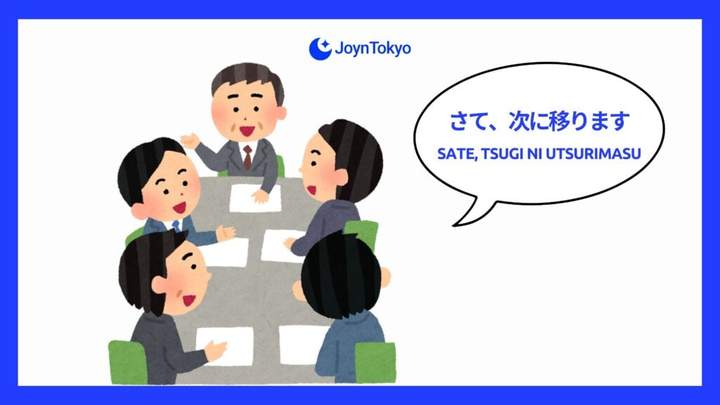
A transition phrase meaning “Well then, let’s move to the next point.” It is often used by the meeting chair or presenter to smoothly guide the flow of discussion.
Business Etiquette and Non-Verbal Communication
Language is only half of business interaction in Japan.
Business cards (meishi koukan):
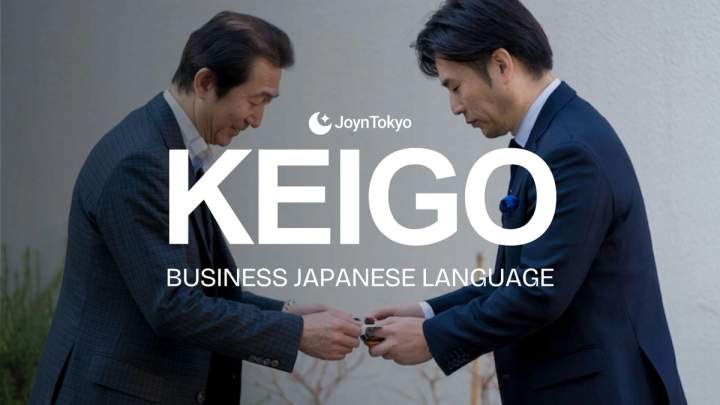
The exchange of business cards. Always use both hands, present the card facing the other person, and bow slightly. It is almost a custom to exchange business cards in Japan which is not only for introducing each other but showing respect and sense of honor to be able to work with that person.
Bowing etiquette: The angle and duration of the bow show respect; deeper bows indicate stronger humility. It is not always applied in daily lives but locals are often taught that 15° as casual greeting, 30° as formal greeting towards customers, and 45° as an extremely formal bow for apologies or greeting your client. Some people, especially in a very formal situations like ritual, take speaking while bowing disrespectful as well.
Gestures to avoid:
Pointing, excessive hand movements, or casual posture during meetings can seem disrespectful. Usually, workers are expected to stay up straight whenever they are at work and crossing arms or legs in front of boss or clients are also considered rude.
Extra Useful Terms to Cover
Aisatsu (挨拶):
Aisatsu refers to ritualized greetings and polite expressions that are essential in Japanese society. In business, they set the tone for respect and cooperation. Common examples include Osewa ni natte orimasu (“Thank you for your continued support”) at the beginning of an email, or Otsukaresama desu (“Thank you for your hard work”) used daily in offices. Mastery of aisatsu shows cultural fluency and builds rapport with colleagues and clients.
Meishi koukan (名刺交換):
Meishi koukan means “business card exchange,” a highly ritualized act in Japanese business culture. Cards are exchanged with both hands, accompanied by a slight bow, and treated with respect (never placed casually in a pocket). This practice reflects professionalism and hierarchy, as the business card symbolizes the individual’s role and company. How you handle meishi can strongly influence first impressions.
Hō-ren-sō (報連相):
Hō-ren-sō is an acronym for Houkoku (報告: Report), Renraku (連絡: Inform), and Soudan (相談: Consult). It represents a cornerstone of Japanese workplace communication. Employees are expected to report progress, share information promptly, and consult with superiors before making major decisions. Practicing hō-ren-sō prevents misunderstandings and ensures smooth teamwork.
Tatemae vs Honne (建前 vs 本音):
Key Takeaway on Business Japanese
Mastering business Japanese requires more than memorizing phrases, it is about adopting a communication style that reflects respect, professionalism, and cultural sensitivity. By learning keigo, structuring emails correctly, apologizing appropriately, and respecting business etiquette, foreign professionals can gain both trust and effectiveness in the Japanese workplace.
Related JoynTokyo reads

Ultimate Guide to Driving in Japan
A driver spent a week cruising Hokkaido and called it the most relaxing road trip of his life. Another took a mountain route from Kusatsu to Kanazawa and described it as “like being dialled into an F1 race car.” Both were experienced drivers. Both were in Japan. Both are right. Honestly, driving in Japan is

Cash vs Card in Japan: What Should You Use in 2026?
People who went to Japan five years ago will tell you cash is king. People who went last month will tell you they barely touched a note. Both are telling the truth, they just had different trips. The honest answer for 2026 is this: Japan has changed significantly. Most major establishments in cities now accept
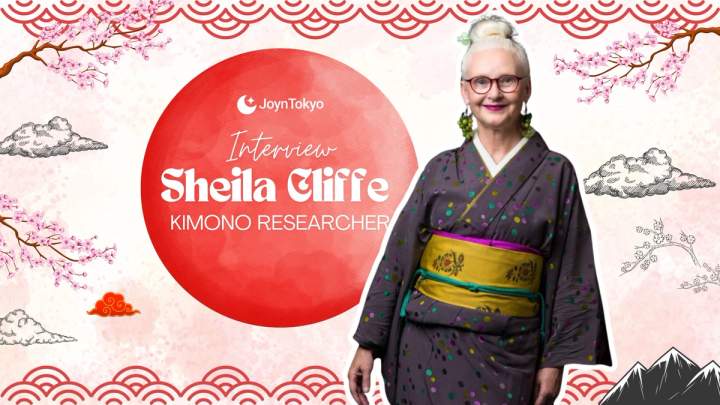
Sheila Cliffe on The Kimono Closet and the Stories Kimono Hold
Sheila Cliffe is a longtime kimono researcher and the author of Kimono Style. In her new book, The Kimono Closet, she looks beyond kimono as fashion or art objects and instead explores their deeper place in family life, memory, and identity. She spoke with JoynTokyo to give us an exclusive look at the new book,