
Paths to Becoming a Chef in Japan
To become a chef in Japan, you need culinary training (either at a Japanese culinary school or through apprenticeship), work experience in Japanese kitchens, and if you’re a foreigner, a valid work visa. Most aspiring chefs start as kitchen assistants and work their way up through years of hands-on training. Path 1: Culinary School Enroll
To become a chef in Japan, you need culinary training (either at a Japanese culinary school or through apprenticeship), work experience in Japanese kitchens, and if you’re a foreigner, a valid work visa. Most aspiring chefs start as kitchen assistants and work their way up through years of hands-on training.
Path 1: Culinary School
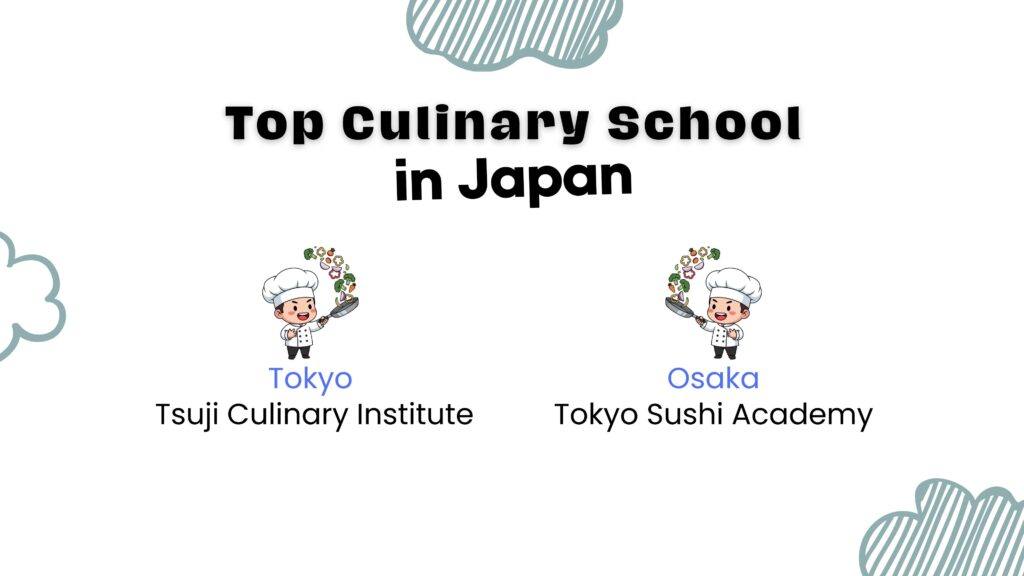
Enroll in a Japanese culinary school (ryōri gakkō) for 1-2 years. Top schools include Tsuji Culinary Institute in Osaka and Tokyo Sushi Academy. These programs teach Japanese cooking techniques, ingredient knowledge, and kitchen management.
Path 2: Traditional Apprenticeship
The traditional route involves becoming an apprentice (deshi) under an established chef. This path typically takes 5-10 years and follows the strict hierarchy of Japanese kitchens. You’ll start with basic tasks like dishwashing and rice preparation before advancing to cooking.
Requirements for Foreign Chefs
Visa: You need a work visa, typically the Skilled Labor visa. Requirements include relevant culinary qualifications and proof of employment at a Japanese restaurant.
Cultural Understanding: Japanese kitchen culture emphasizes hierarchy, precision, and respect. Understanding these values is crucial for integration.

Careers in Japan for Different JLPT Levels: Your Complete Job Matching Guide
Career Progression
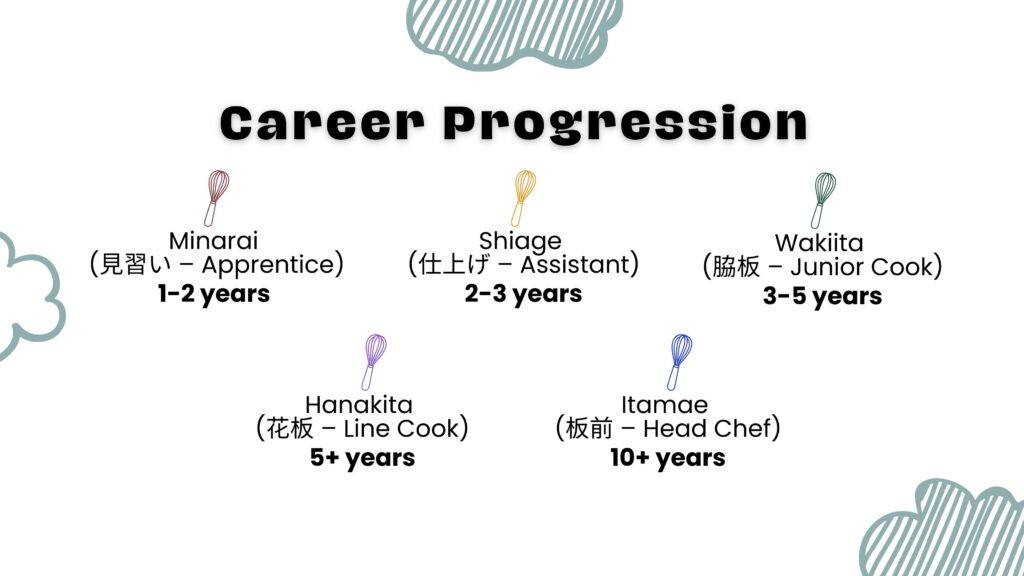
Japanese kitchens follow a rigid hierarchy where advancement is earned through years of dedication and mastery:
Minarai (見習い – Apprentice): 1-2 years As the lowest rank, you’ll handle menial tasks like dishwashing, cleaning, and preparing basic ingredients. You observe senior chefs closely and learn proper knife handling and rice cooking. This stage tests your commitment and ability to follow instructions precisely.
Shiage (仕上げ – Assistant): 2-3 years You begin assisting with food preparation, cutting vegetables, and making stocks. You’re trusted with simple cooking tasks under supervision and start learning plate presentation. This role requires mastering fundamental techniques and maintaining consistency.
Wakiita (脇板 – Junior Cook): 3-5 years You’re now responsible for specific stations like appetizers or side dishes. You prepare ingredients independently and cook during service hours. This position demands speed, accuracy, and the ability to work under pressure during busy periods.
Hanakita (花板 – Line Cook): 5+ years You manage important cooking stations and may supervise junior staff. You handle complex dishes and contribute to menu development. This level requires deep knowledge of ingredients, seasonality, and advanced cooking techniques.
Itamae (板前 – Head Chef): 10+ years The master chef who leads the kitchen, creates menus, manages staff, and maintains quality standards. In sushi restaurants, itamae status is particularly prestigious and can take 15-20 years to achieve. This position demands complete mastery of all techniques and business acumen.
Practical Steps
- Research culinary schools or restaurants that accept apprentices
- Secure funding (schools cost ¥1-2 million per year)
- Apply for a student visa (if studying) or job-hunting visa
- Begin learning Japanese before arrival
- Network with Japanese chefs and restaurants
- Prepare for long hours and intensive training
The journey requires patience, dedication, and respect for Japanese culinary traditions. Most successful foreign chefs spend at least 5-10 years training in Japan before opening their own restaurants or achieving head chef positions.
Related JoynTokyo reads

Ultimate Guide to Driving in Japan
A driver spent a week cruising Hokkaido and called it the most relaxing road trip of his life. Another took a mountain route from Kusatsu to Kanazawa and described it as “like being dialled into an F1 race car.” Both were experienced drivers. Both were in Japan. Both are right. Honestly, driving in Japan is

Cash vs Card in Japan: What Should You Use in 2026?
People who went to Japan five years ago will tell you cash is king. People who went last month will tell you they barely touched a note. Both are telling the truth, they just had different trips. The honest answer for 2026 is this: Japan has changed significantly. Most major establishments in cities now accept

Sheila Cliffe on The Kimono Closet and the Stories Kimono Hold
Sheila Cliffe is a longtime kimono researcher and the author of Kimono Style. In her new book, The Kimono Closet, she looks beyond kimono as fashion or art objects and instead explores their deeper place in family life, memory, and identity. She spoke with JoynTokyo to give us an exclusive look at the new book,