

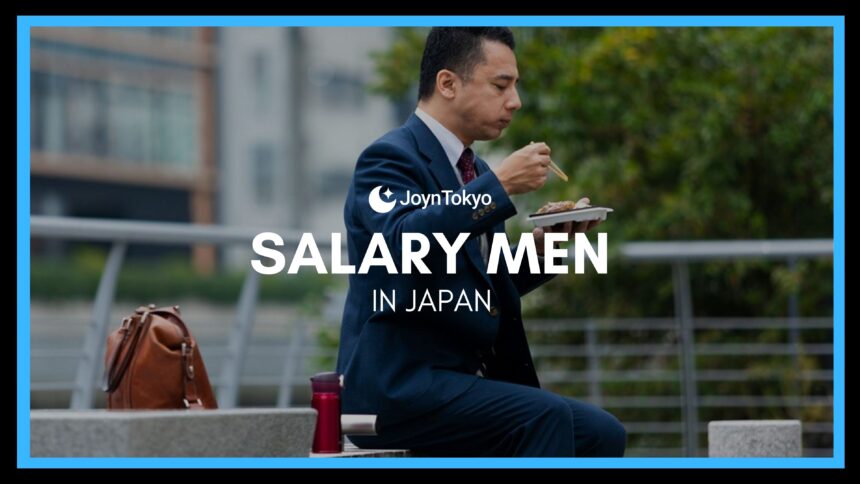


A salaryman (サラリーマン, sararīman) is a white-collar office worker in Japan who works full-time for a corporation, typically in a permanent position with a monthly salary. The term specifically refers to male corporate employees who are expected to demonstrate unwavering loyalty to their company in exchange for job security and steady income. Salarymen form the backbone of Japan’s corporate economy and represent a unique employment culture shaped by decades of post-war economic development.
For more comprehensive information about salaries in Japan!
Read More
The Origins of the Salaryman Culture

The salaryman concept emerged during Japan’s rapid economic growth period following World War II. As corporations expanded in the 1950s and 1960s, companies adopted a lifetime employment system that promised workers job security until retirement age, typically 60. In return, employees pledged their complete dedication to the company. This social contract created the archetypal salaryman: a devoted worker who prioritizes company interests above personal needs.
Daily Life and Work Culture
Salarymen typically work long hours, often starting at 9 AM and rarely leaving before 7 or 8 PM. Overtime is expected and frequently unpaid, as leaving before your superiors is considered disrespectful. Many salarymen participate in after-work drinking sessions (nomikai) with colleagues and supervisors, which serve as important networking and team-building opportunities. These social obligations can extend work days well into the evening.
The typical salaryman wears a dark business suit, white shirt, and conservative tie. They commute on packed trains during rush hour, often spending one to two hours traveling to and from work. Weekends may involve company events or additional work, leaving limited time for family and personal pursuits.
Read More

Start Your Own Japan Journey With Expert Guidance
Most people never make it to Japan because the start is confusing and tiring. Wrong visa route. Underestimated budget. Months lost to confusion.
Get personalized support for your new life in Japan.
Book Your FREE Consultation✓ 500+ Bookings ✓ English-speaking Relocation Support Experts
The Lifetime Employment System
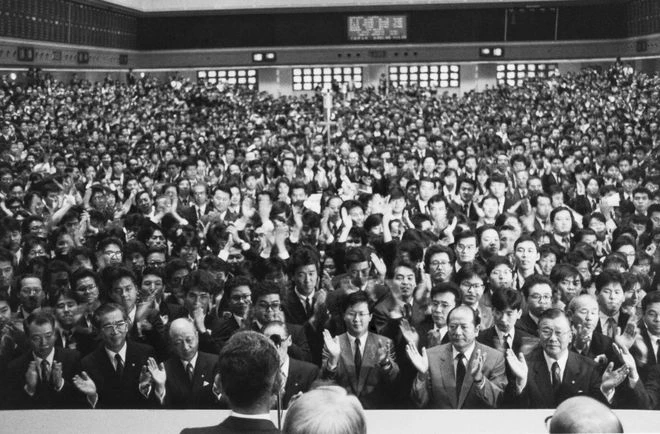
Traditional salaryman culture revolves around lifetime employment, where workers join a company immediately after university graduation and remain until retirement. Promotion is largely based on seniority rather than merit, with employees gradually advancing through predetermined ranks. Salaries increase predictably with age and tenure, providing financial stability for raising families and purchasing homes.
However, this system has been eroding since Japan’s economic bubble burst in the 1990s. Many companies now employ contract workers, reduce benefits, and even conduct layoffs. Younger Japanese workers increasingly question whether the salaryman lifestyle offers sufficient reward for the sacrifices required.
Challenges and Health Concerns

The demanding salaryman lifestyle takes a significant toll on physical and mental health. Japan has a term, karoshi (過労死), which literally means death from overwork. This phenomenon includes deaths from heart attacks, strokes, and suicide attributed to excessive work hours and stress. The government has implemented labor reforms to address these issues, though cultural change remains slow.
Many salarymen also struggle with work-life balance, missing significant family events and having limited involvement in their children’s upbringing. The pressure to conform and succeed within rigid corporate hierarchies can lead to depression, anxiety, and substance abuse.
The Modern Salaryman: Changes and Adaptations

Today’s salaryman culture is evolving. Younger generations show less willingness to sacrifice personal life for corporate loyalty. Remote work options expanded during the COVID-19 pandemic, challenging traditional office-centric work culture. Some companies now emphasize work-life balance, flexible hours, and merit-based advancement to attract talented employees.
Women in corporate Japan face similar pressures but are generally excluded from the salaryman designation, which specifically refers to men. Female office workers are often called OLs (office ladies), and they typically face different expectations and career trajectories, though this too is gradually changing.
Cultural Significance and Representation
Salarymen appear frequently in Japanese media, from manga and anime to television dramas and films. They’re often portrayed as overworked, exhausted figures falling asleep on trains, or as dedicated company men who prioritize work above all else. These representations both critique and normalize the salaryman lifestyle, reflecting Japan’s complex relationship with corporate culture.
The salaryman represents more than just an employment category. He embodies values of perseverance, sacrifice, and group harmony that are deeply embedded in Japanese society. Understanding the salaryman provides insight into Japan’s economic success, social structure, and ongoing cultural debates about work, identity, and quality of life.
Key Takeaways
The Japanese salaryman is a corporate employee characterized by long working hours, company loyalty, and lifetime employment expectations. While this system provided economic stability during Japan’s growth period, it comes with significant personal costs including health problems, work-life imbalance, and limited family time. Modern economic pressures and changing values among younger workers are gradually transforming this traditional employment model, though the salaryman remains a defining feature of Japanese business culture.
Read More