
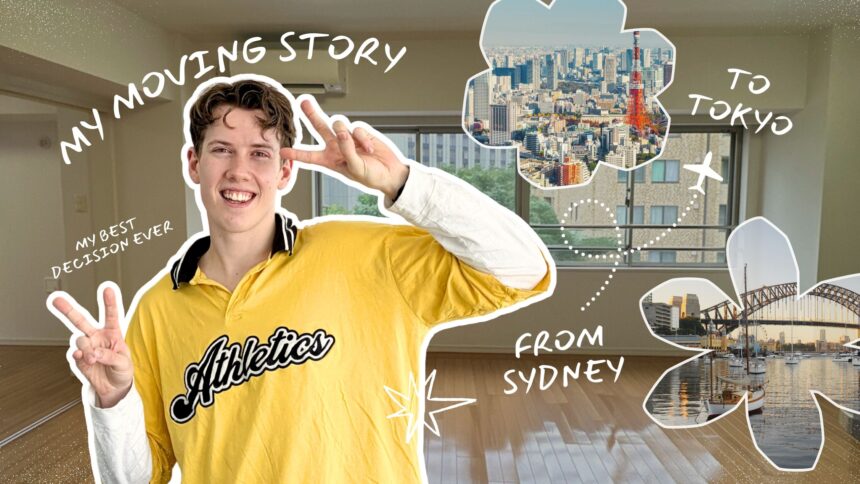

Let us introduce Will, an Australian creative who studied screen and sound production at the University of New South Wales. He’d always fantasized about moving to Japan, but the dream became real when his boyfriend was transferred to Tokyo for work. Will followed his beau on a working holiday visa, and the two began building a life together in Japan.
His relocation came with rare advantages not enjoyed by many: corporate support which included temporary housing and an English-speaking real estate agent, which gave them breathing room that many newcomers don’t get. Even so, the rental process still presented friction: especially as a gay couple in a country where same-sex marriage isn’t legally recognized. In this interview, Will walks us through the key moments of the move, what surprised him once daily life started, and the advice he wishes he’d heard before signing a lease.
Read More

Interview

1. What pushed you from “I want to live in Japan” to actually moving?
Moving to Japan wasn’t just a choice on a whim for me: it was something I’d wanted to do for years. Then, all of a sudden, my boyfriend was transferred to Japan for work, so the timing made perfect sense. It was “dreams and love” combined, so while I would have likely would have come anyway, I couldn’t ignore the call of fate.
2. What did your moving process look like at the beginning?
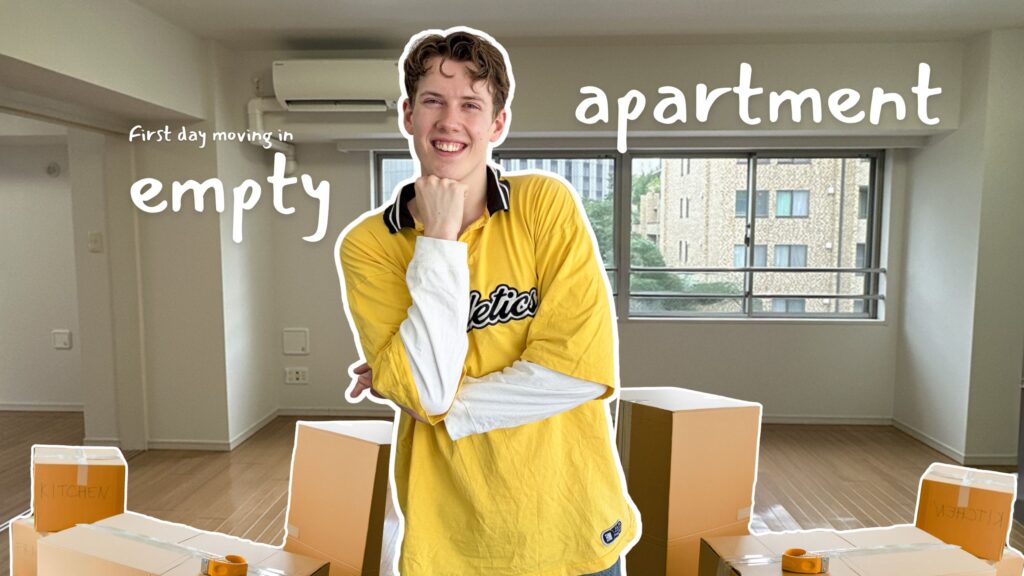
Because my boyfriend’s company supported our relocation, the whole process had more structure than most foreigners get.
We were placed in a serviced apartment in Ginza for about two months, which gave us time to settle in and do apartment hunting without rushing. During that period, the company introduced us to an English-speaking real estate agent connected to the workplace, and the agent took us to view places within our budget.
3. Even with support, what still felt difficult about the system?
Even with help, the system wasn’t fully designed for our situation.
Most of the process was handled under my boyfriend’s name, which made sense from an administrative perspective. However, it also meant I sometimes felt less “visible” in the paperwork side of the move, even though we were going through it together. Over time, it was something we learned to navigate patiently.
4. What was apartment hunting like in Tokyo as a gay couple?
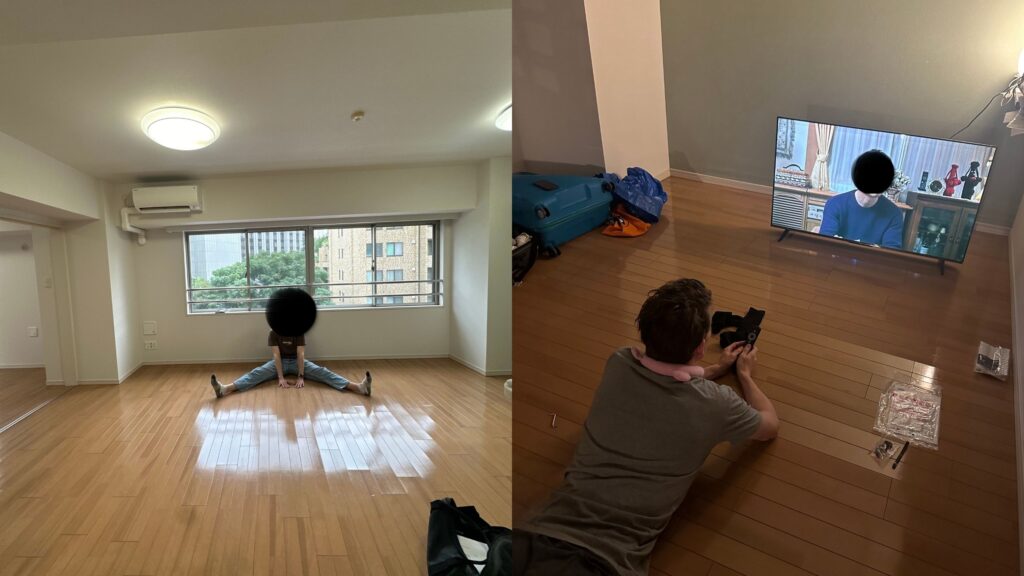
The biggest housing barrier wasn’t just being foreign. It was being a couple who could not legally be married in Japan.
A lot of apartments are more open to “married couples,” and that made certain layouts and larger units harder to access. It became a double filter, being both foreigners and an unmarried couple.
5. Did you experience rejection during the rental process?
Yes. A property seemed fine with foreigners at first, then rejected the application afterward.
In the end, we rented our second choice because the first choice fell through after the application process. It was a very Tokyo lesson: don’t emotionally commit until it’s approved.
6. What parts of settling into daily life surprised you most?
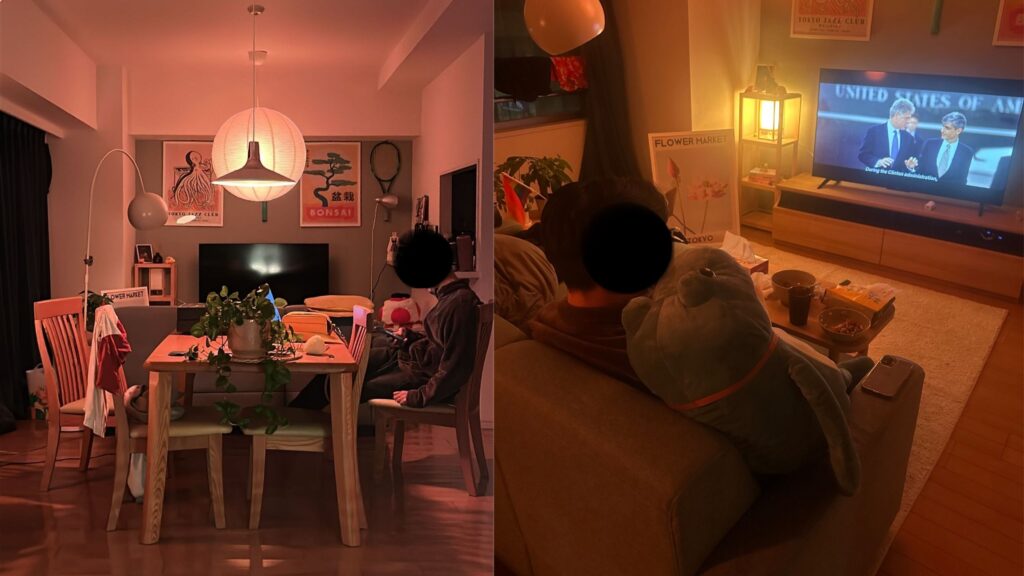
Even with a company helping, daily life setup was still frustrating.
It was annoying dealing with physical paper bills in Japan, and certain systems felt outdated. I also struggled with the rules around garbage sorting — I still don’t fully understand it.
And the move itself was unexpectedly exhausting. Because my boyfriend was working, I ended up physically moving belongings by myself, sometimes hauling things on trains.
Tokyo is convenient, but the systems can feel old-school, and the moving logistics can be brutal.
7. What advice would you give someone moving to Japan for the first time?
Learn more Japanese than you think you need.
Every time I thought my Japanese level was “enough,” it wasn’t, especially for contracts, utilities, and daily tasks. I’d also say budget extra money because Japan’s housing fees can include deposits and other costs you don’t expect.
And if you can, have someone with a strong support system, like a company relocation package, because it changes everything.
Better Japanese, extra budget, and a support system turns stressful into manageable.
Start Your Own Japan Journey With Expert Guidance
Just like the person you read about above, you can successfully move to Japan. Get personalized support for work, study, or life in Japan.
Book Your FREE Consultation✓500+ Bookings ✓ English-speaking Relocation Support Experts
Final thoughts
Will’s move shows two things can be true at once: Tokyo can feel exciting and welcoming, and the housing process can still reflect older expectations, especially around what relationships look like on paper.
Even with corporate support, he still had to navigate rejection, administrative friction, and a rental system that doesn’t always recognize couples equally or fairly. But with patience, flexibility, and the willingness to adjust plans, he and his partner found a home and have built themselves a life in Japan.
Read More